Post written by Laura
Tucked away in the massive expanse between Russia, China, and India lies the legendary region of Central Asia. Comprising Turkmenistan, Uzbekistan, Tajikistan, Kazakhstan, and Kyrgyzstan—affectionately known to travelers as “the Stans”—this area is a treasure trove of desert landscapes and ancient empires.
This part of Asia has been high on my travel wish list for a long time, so I was thrilled to finally plan my first “Stan” trip. Instead of trying to check off three or four countries in one go with just a few days in each, I took a different approach. I decided to start my journey with a deep-dive focus on Uzbekistan, giving myself the time to really soak in its rich culture and iconic Silk Road history.
Offering an interesting and varied itinerary, my best friend and travel companion Bridget and I had found and booked ‘The Silk Road of Uzbekistan’ with the UK based ‘Explore’ adventure travel company. The trip started and finished in Tashkent, its capital city.
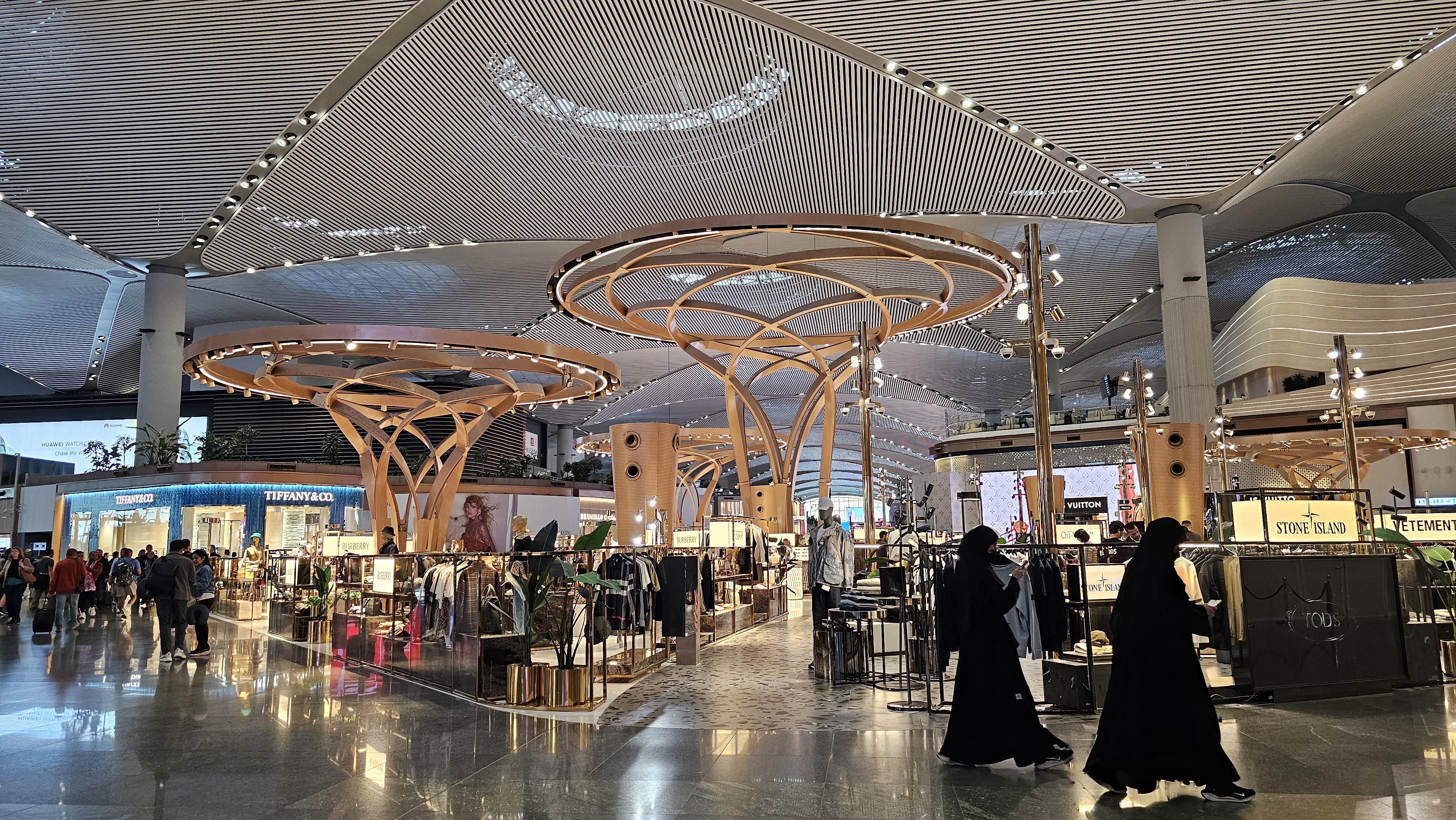
Following our overnight flight via Istanbul Bridget and I arrived at our Tashkent hotel at around 6 am. We checked in and to our delight our twin room was immediately available. This meant that during our first morning we were able to recharge and refuel with some rest, and a tasty breakfast in the hotel. We also organised ourselves by *changing money into Uzbekistan som’s, the local currency.
*Please scroll towards the end of this post for more currency information.
At 1:00 pm, we gathered for our introductory meeting to meet our Explore guide, Sanjar, and the rest of our travel group. Once the introductions and practicalities were out of the way, we piled into a spacious private bus for a highlights tour of Tashkent city centre.
As we cruised down the streets, Sanjar shared some fascinating history. Following the collapse of the Soviet Union, Uzbekistan declared its independence on 31 August 1991, a milestone they celebrate every year on 1 September. Interestingly, ‘Tashkent’ translates to ‘stone city,’ but as we drove toward our first stop, the very first thing that caught my eye was how wide, clean, and modern the avenues were. This spacious layout is actually the result of a devastating earthquake in 1966 during the Soviet era. The massive rebuilding effort completely transformed the city, replacing tight alleys with the wide boulevards, expansive parks, and grand historical monuments we see today.
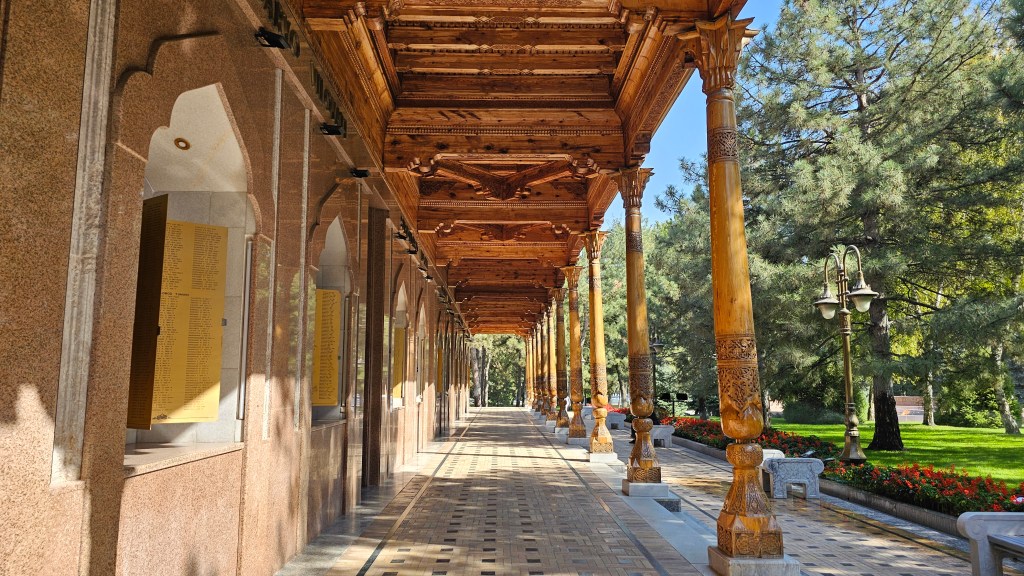
Our introductory tour began at Memorial Square. This significant landmark is dedicated to the lives of more than 400,000 Uzbek soldiers who perished during World War II, offering visitors a sobering look at Uzbekistan’s wartime history.
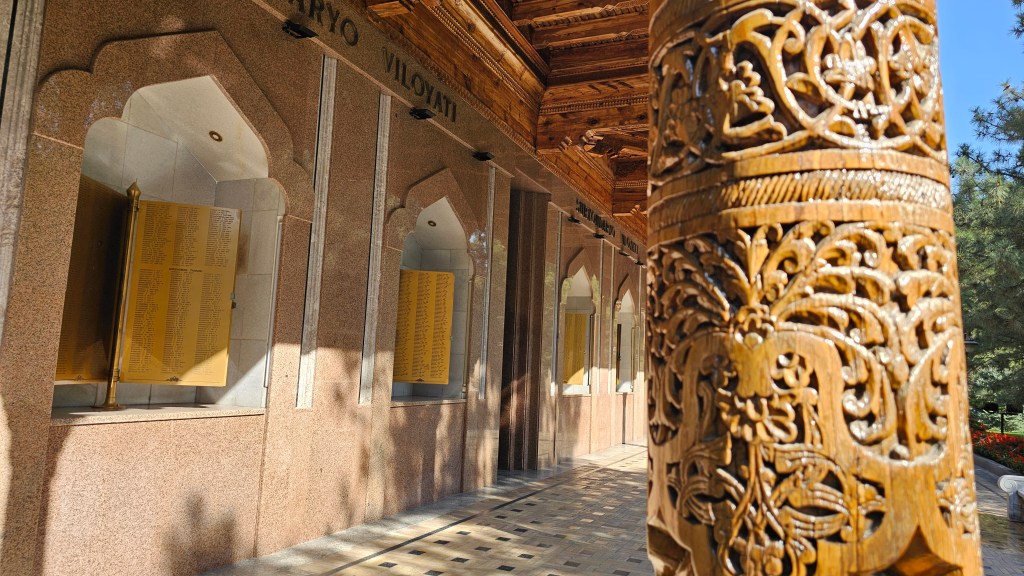
A striking feature of the monument is the row of intricately carved wooden pillars framing the galleries. Tucked inside are the ‘Memory Books,’ uniquely crafted with engraved metal pages that permanently preserve the names of those who lost their lives.
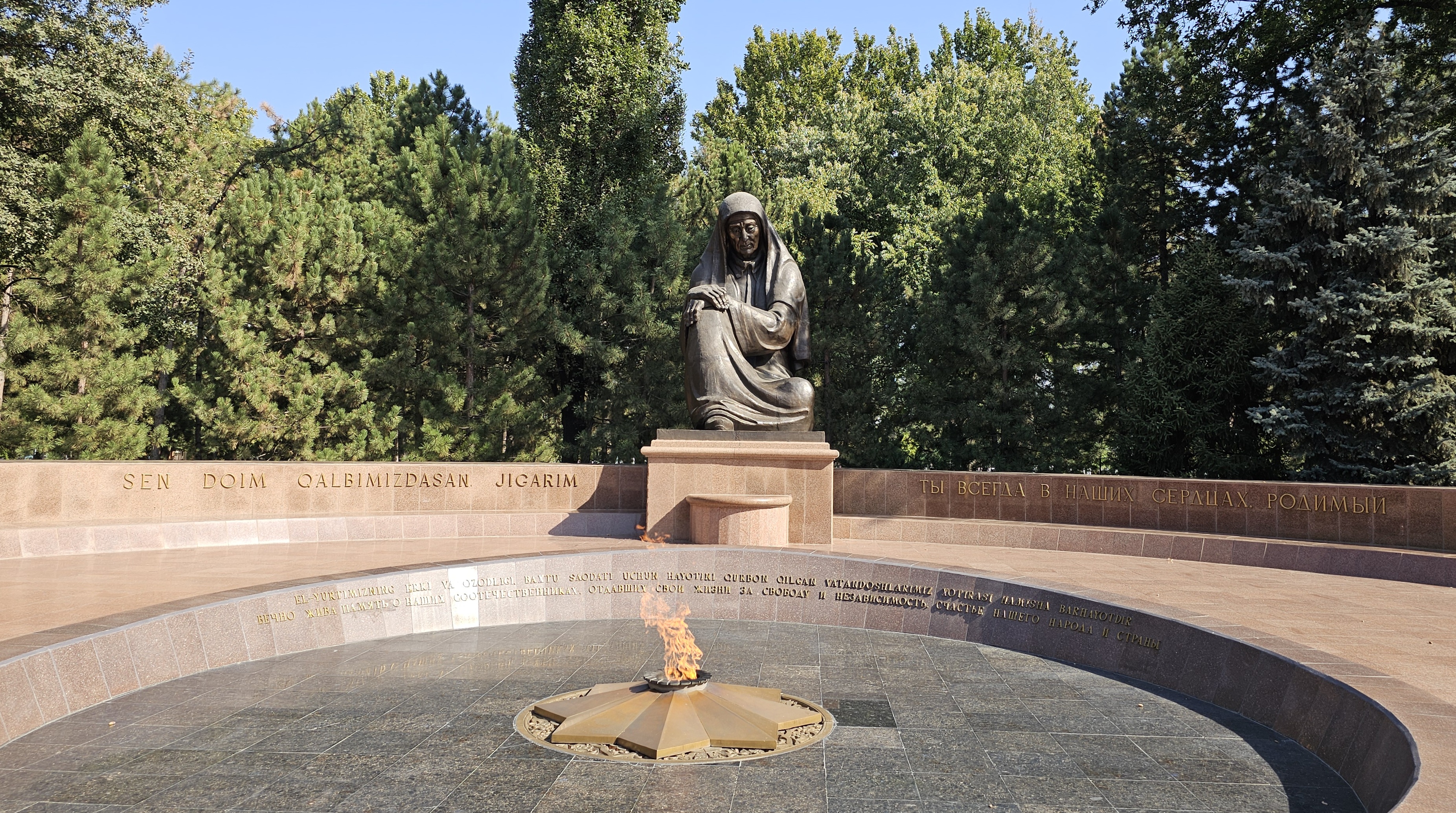
At the heart of the complex lies the Sorrowful Mother Monument. The bronze sculpture is a grieving mother, her head bowed in sorrow for the children she lost to the front lines. Directly in front of her, an Eternal Flame flickers continuously, casting a warm glow over the quiet space. It is a sacred and peaceful area where locals still come to leave fresh flowers.
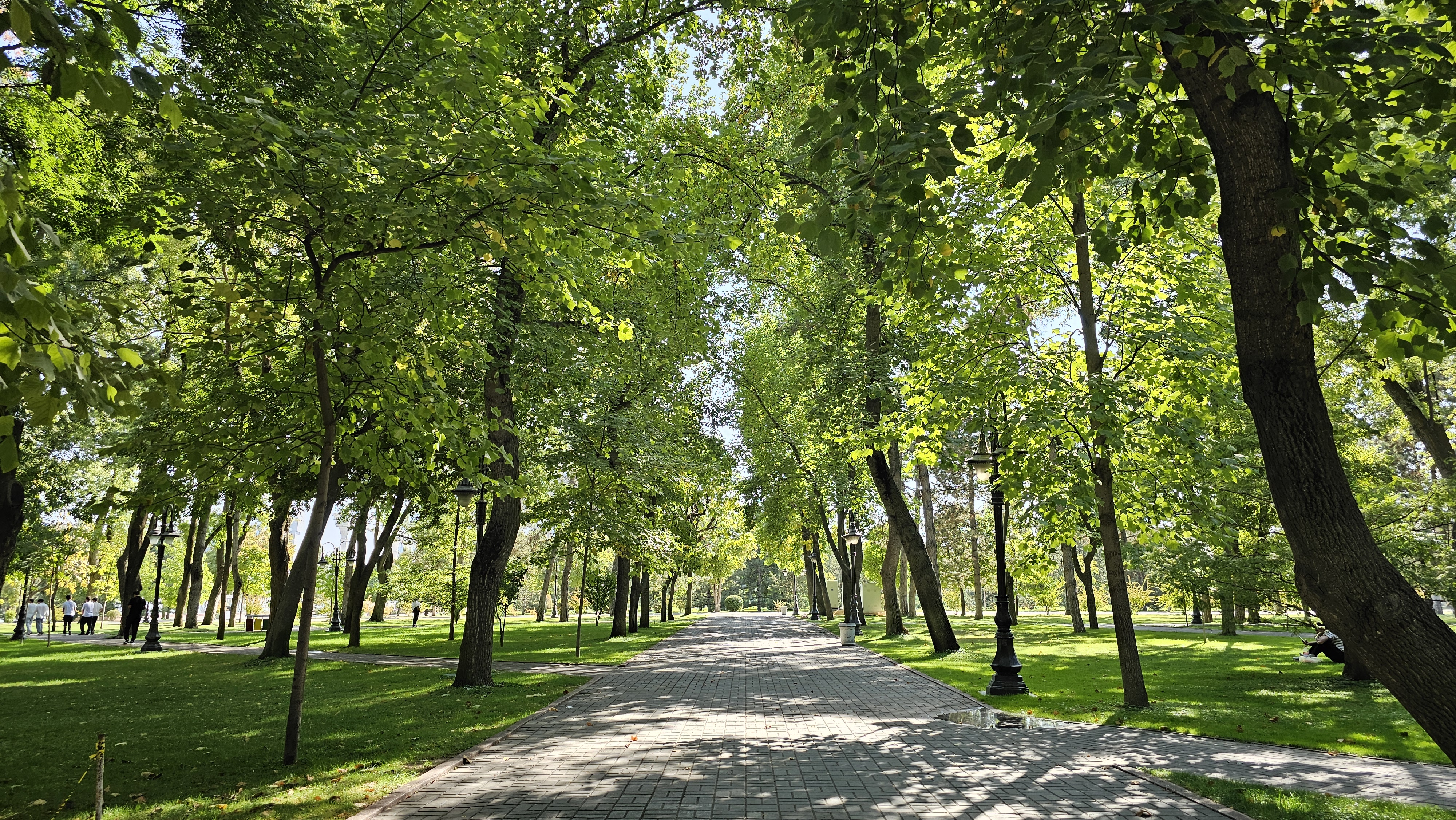
Tashkent is one of Central Asia’s greenest capitals and Sanjar led us from the memorial and through the shady park in perfect 26 degree temperatures. We were fortunate today as apparently it was around 35 degrees last week.
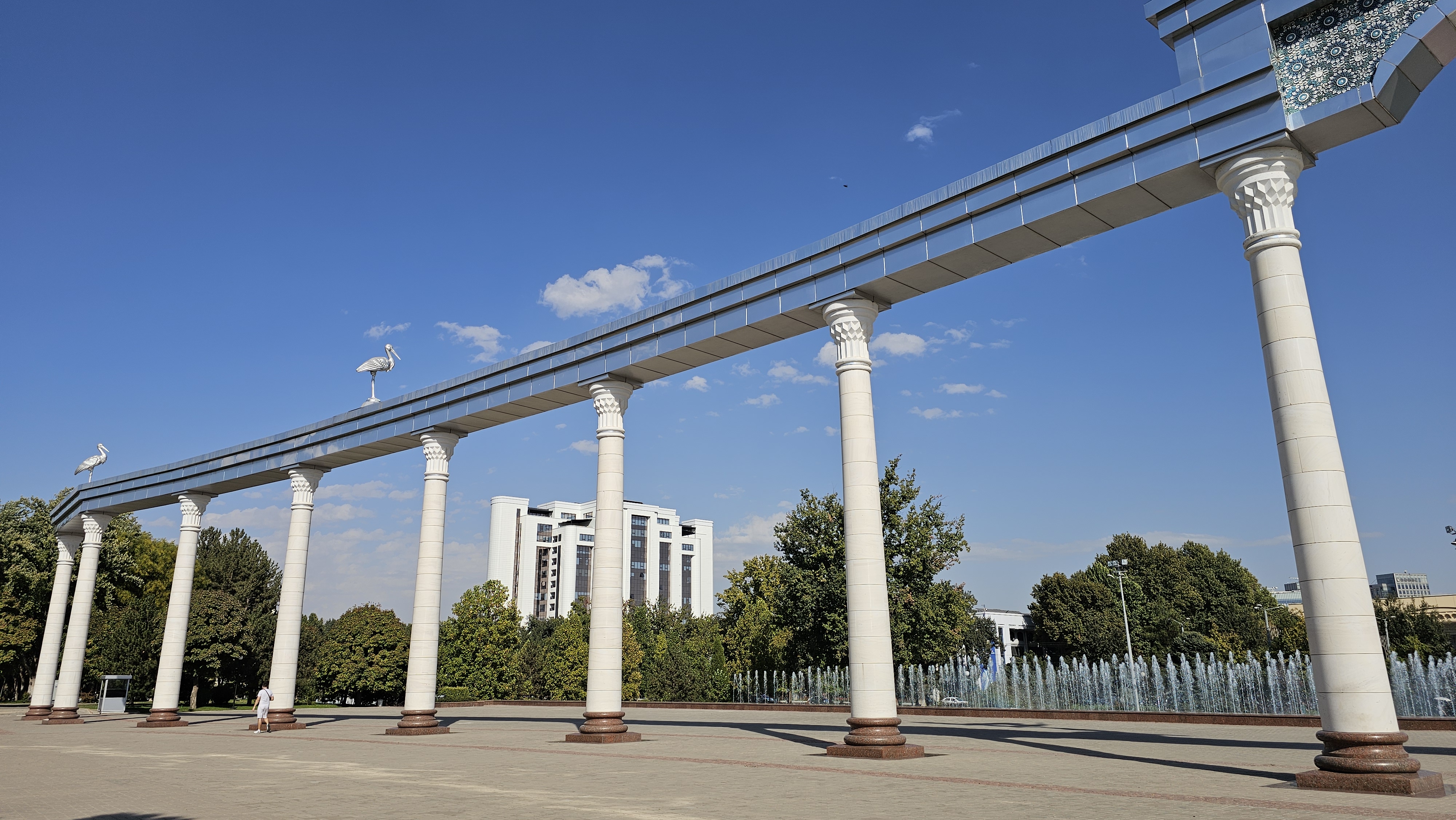
We continued through the park to Independence Square. We were not permitted to take photos of government buildings so under the watchful eye of an official we had to be careful where we pointed our phones and cameras.
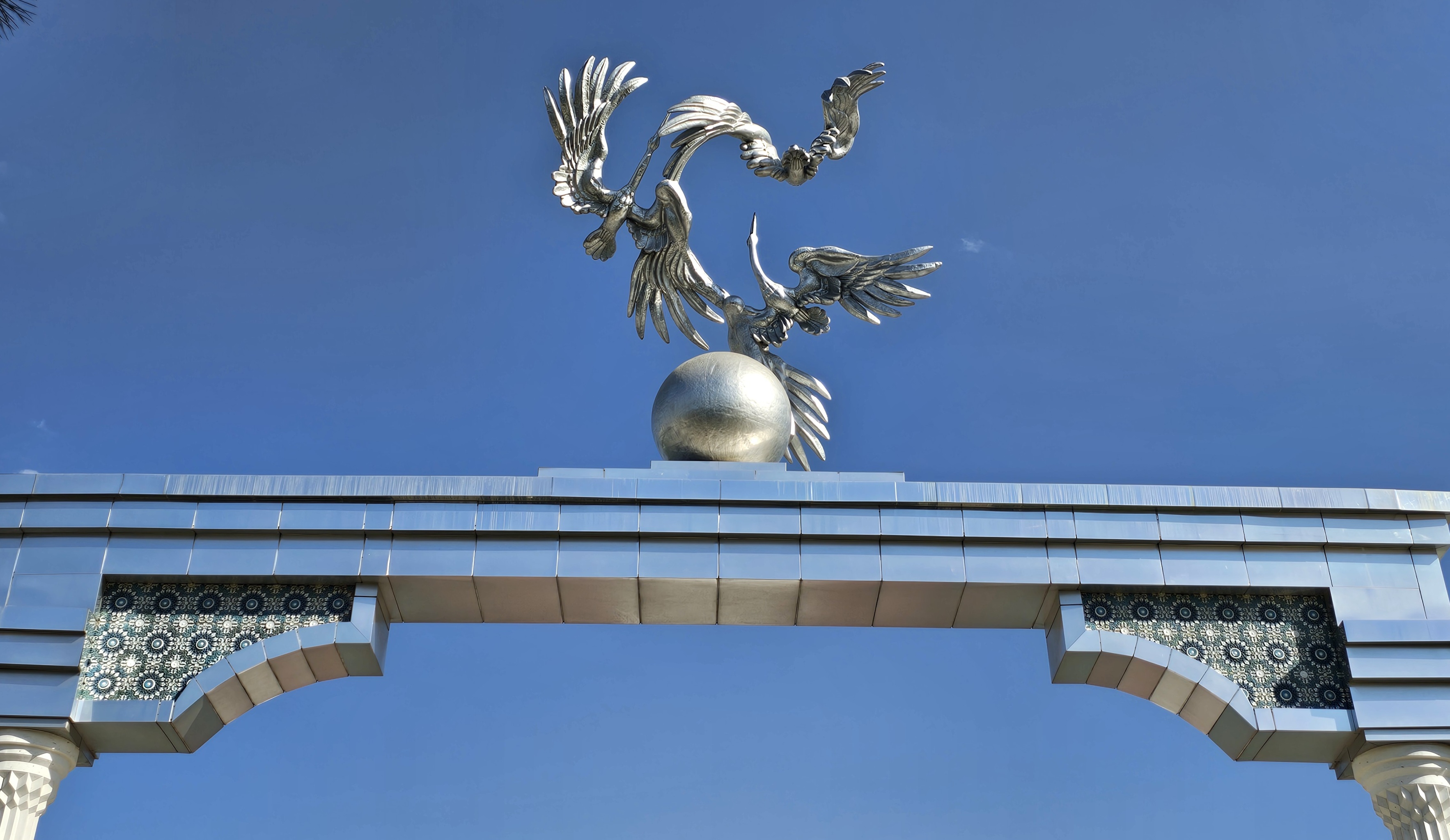
Independence Square (aka Mustakillik Maydoni) is the main public square in the centre of Tashkent. With its white marble. columns, Ezgulik Arch is a grand focal point and bronze stork sculptures decorate the top, symbols of peace and happiness.
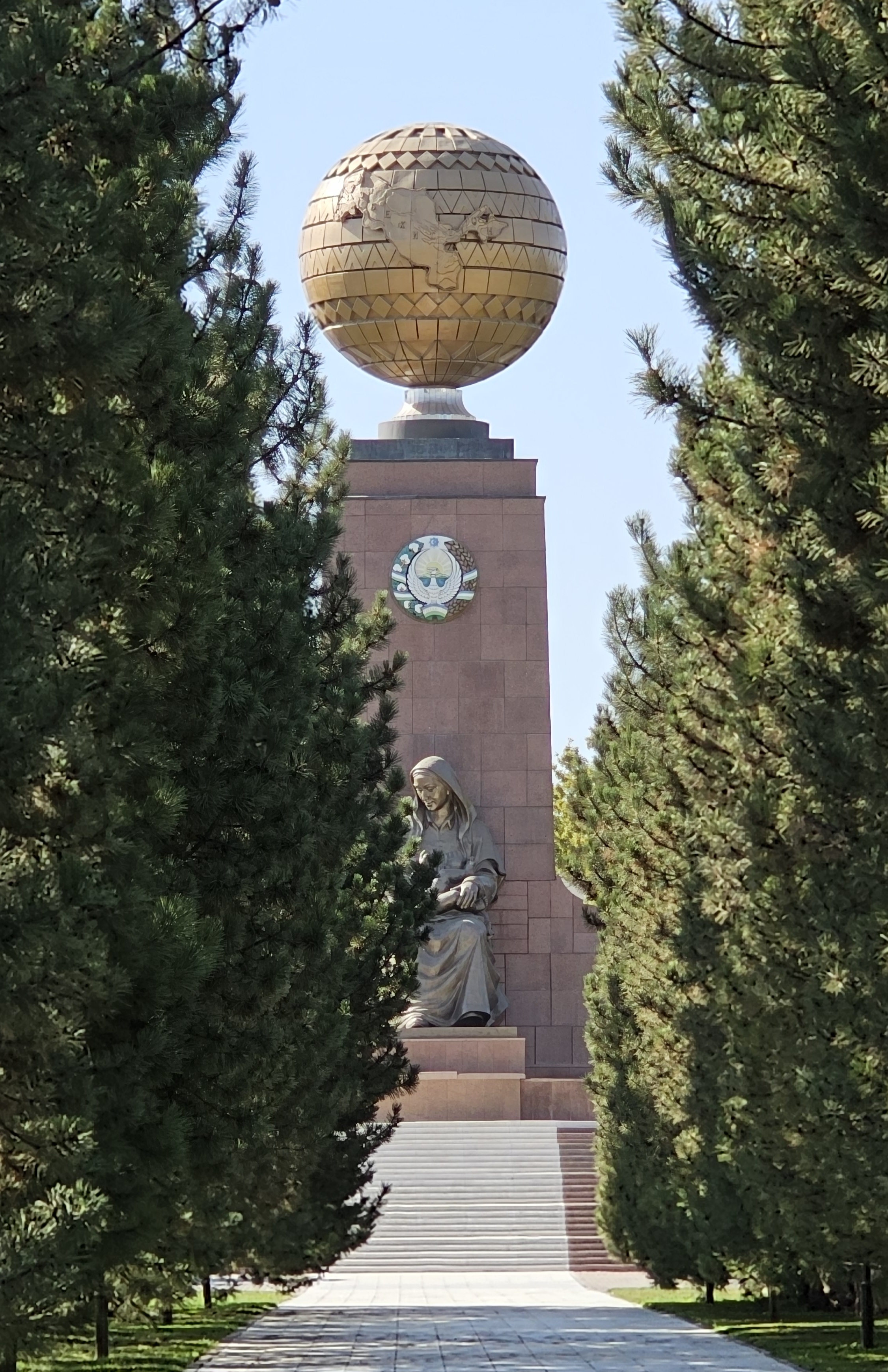
Representing the Motherland, this statue holds a large bronze globe sculpted with an outline of Uzbekistan.
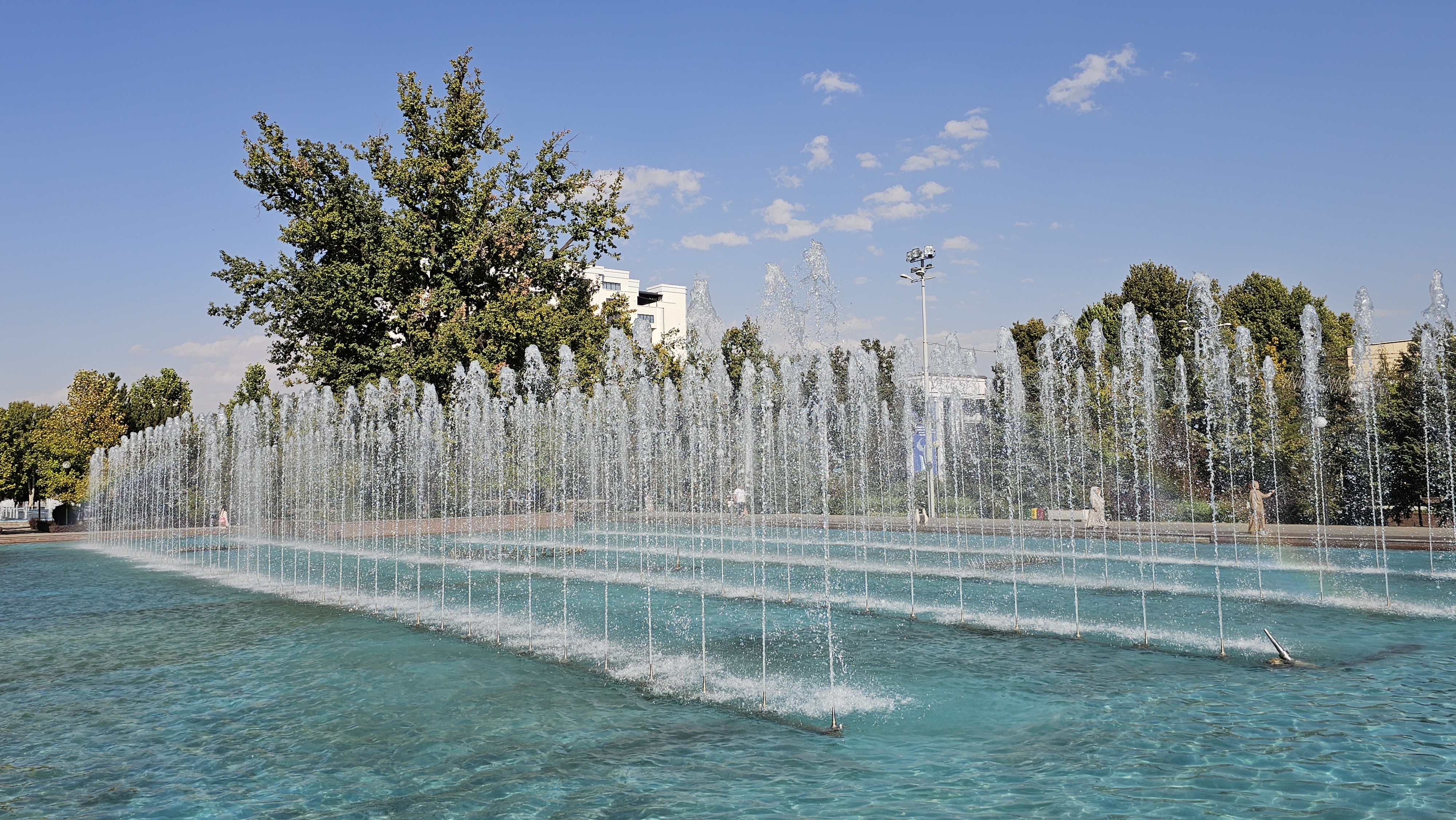
Water features and fountains add more interest to the square.
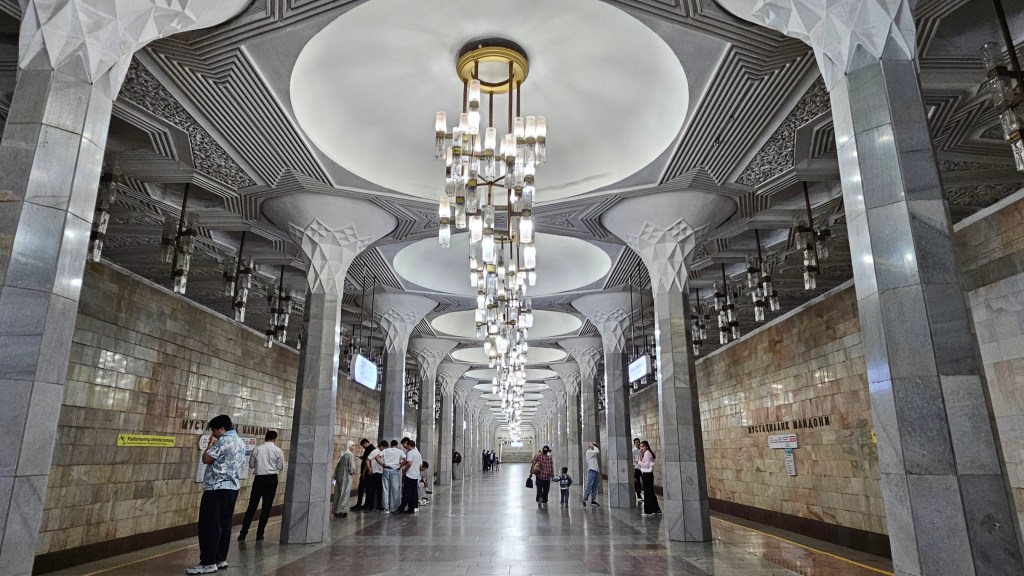
Metro Stations
Next came the famous Tashkent metro system – its four lines contain some of the most ornate architecture in Central Asia, making a station-hopping tour an important thing to include. These stunning spaces were built during the Soviet era and were even engineered to function as nuclear fallout shelters
We began our tour at Mustakillik Maydoni station, conveniently located by the fountains at Independence Square. This stop featured pristine white marble walls and dramatic crystal chandeliers. Not bad for the local Tashkent commuter!
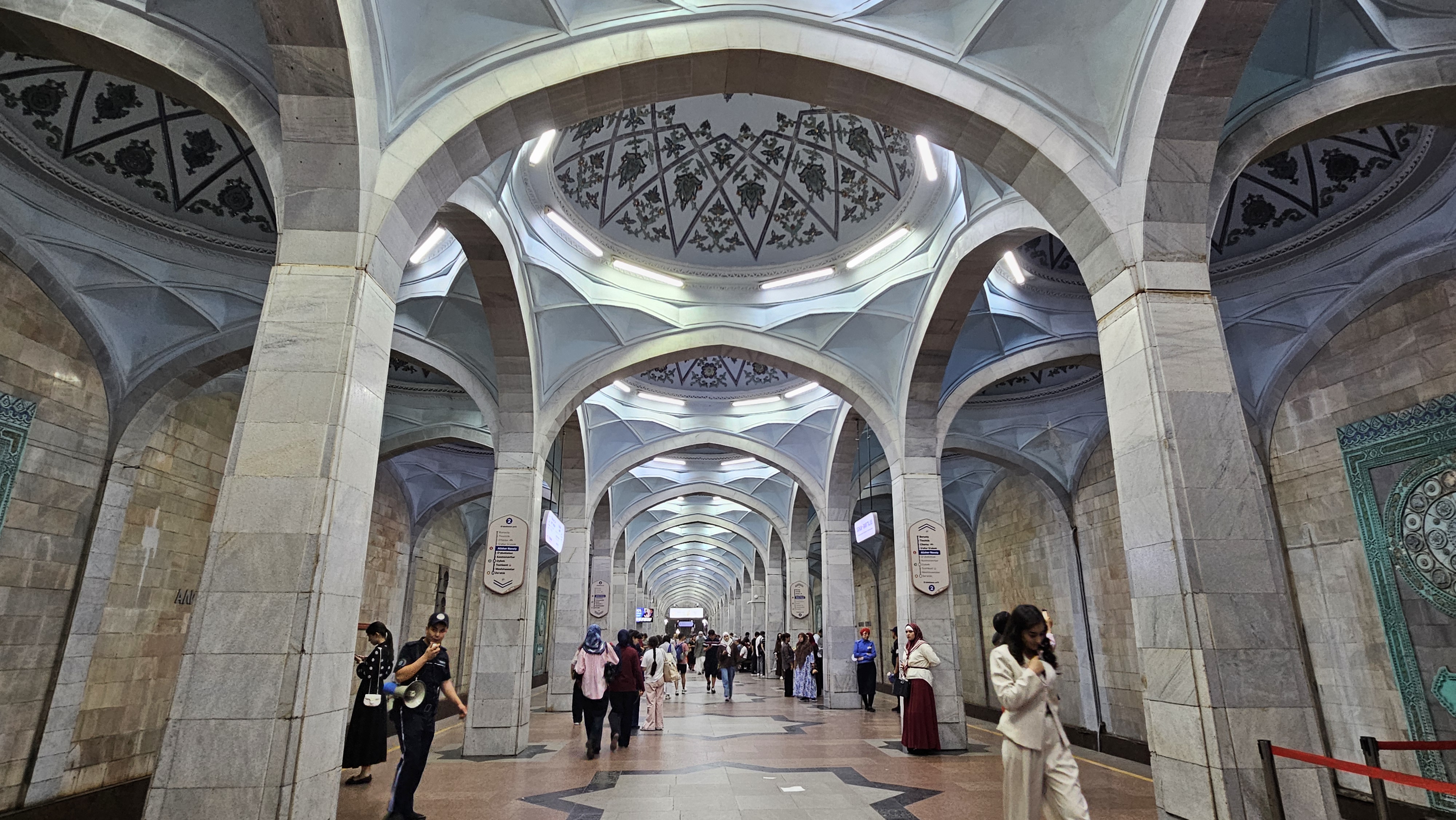
We travelled one stop to the Alisher Navoi metro station which had been designed as a grand Asian palace with blue domes and intricate ceramic wall mosaics depicting scenes from the 15th century poet, Alisher Navoiy. This is often considered the most beautiful and striking metro station in Tashkent.
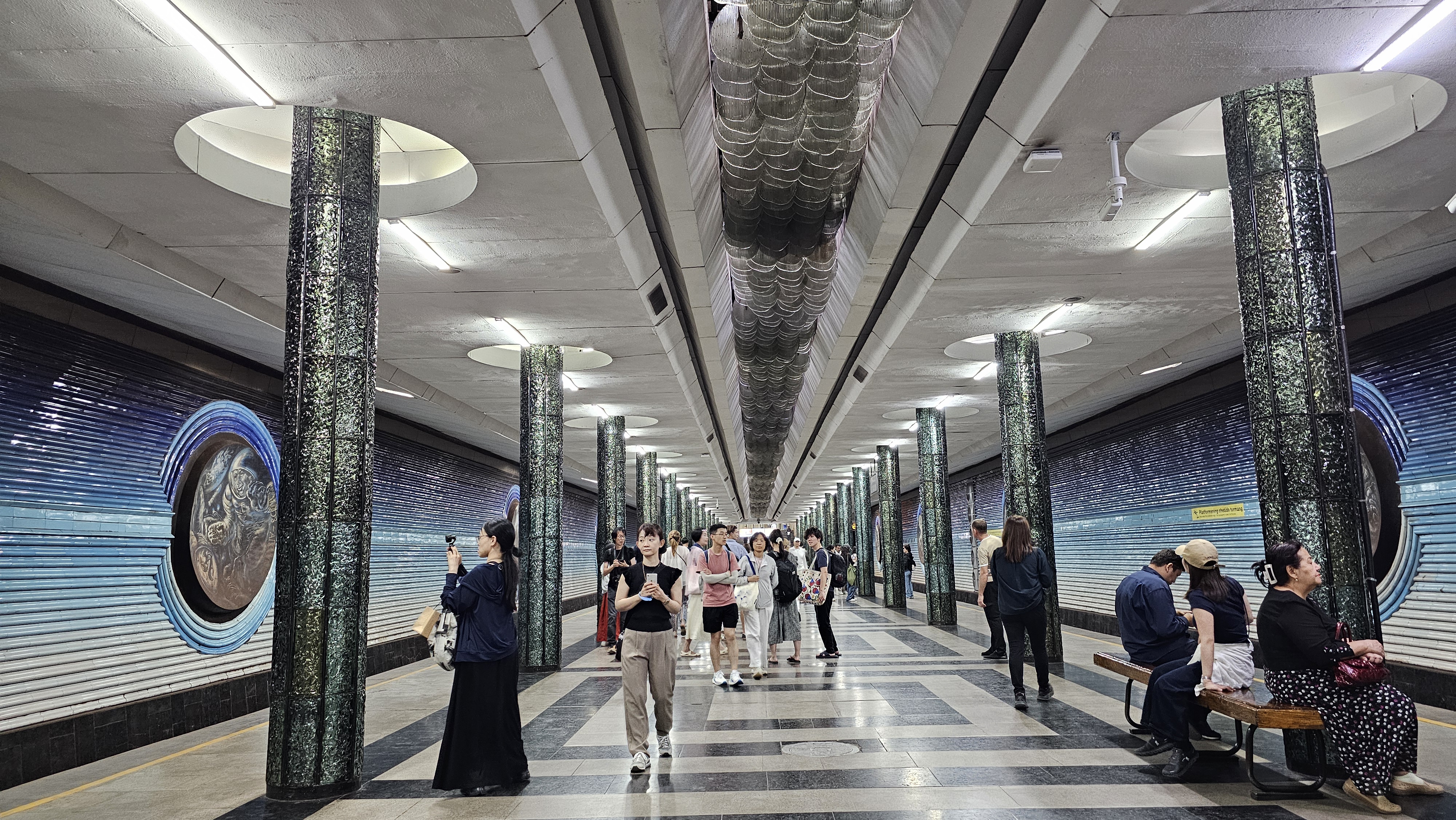
Next we hopped off the train at Kosmonavtlar station, a spectacular stop that honours Soviet cosmonauts. The station’s incredible space theme surrounds you with deep blue walls that mimic the night sky, accented by beautiful ceramic medallions of famous space pioneers.
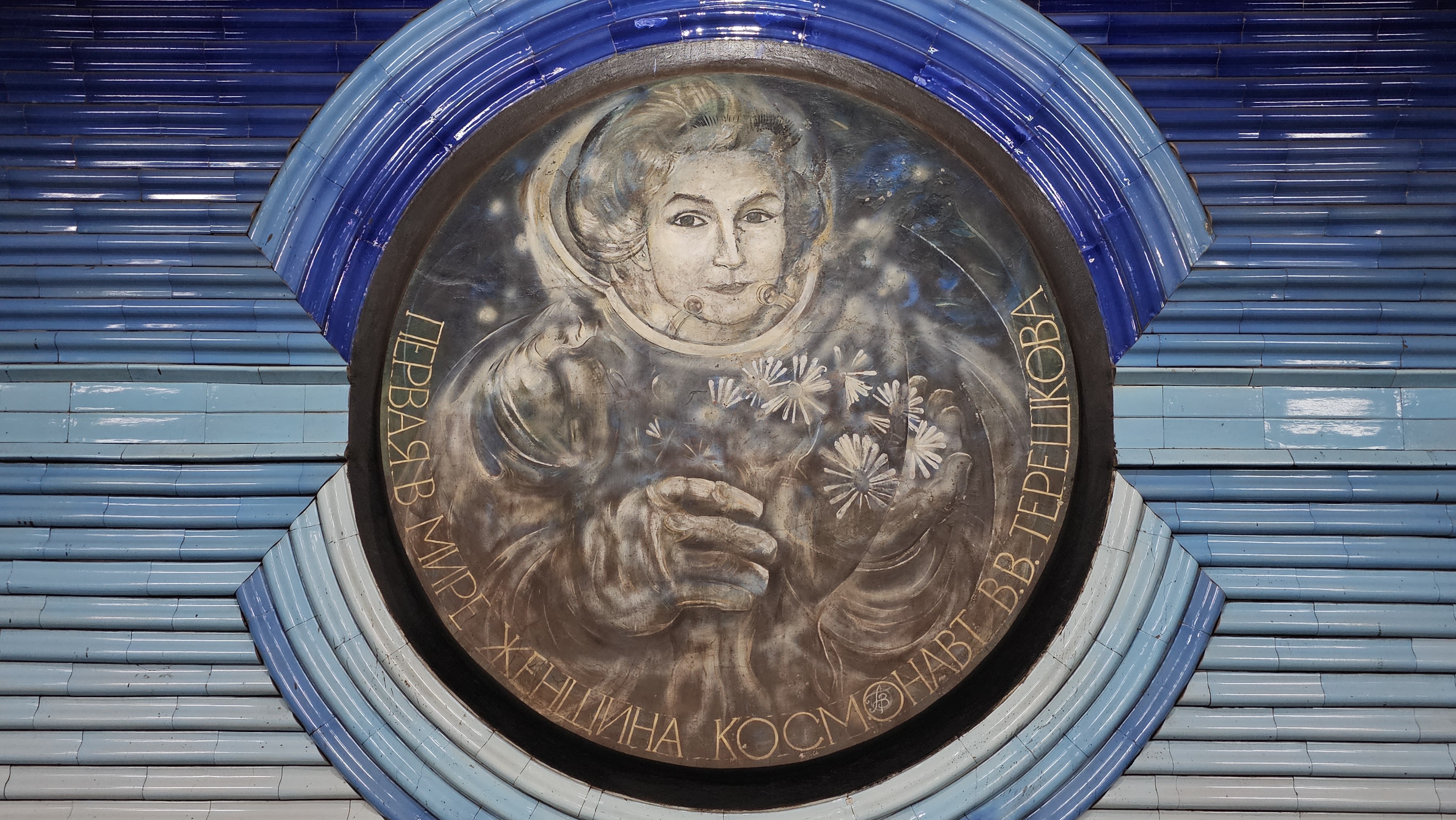
History was made in 1963 when Valentina Tereshkova became the first woman in space. Born in 1937, she didn’t just break the glass ceiling—she shattered it entirely by piloting a solo mission aboard Vostok 6. To this day, she remains the only woman to have ever flown a solo space mission, making her an absolute legend of exploration.
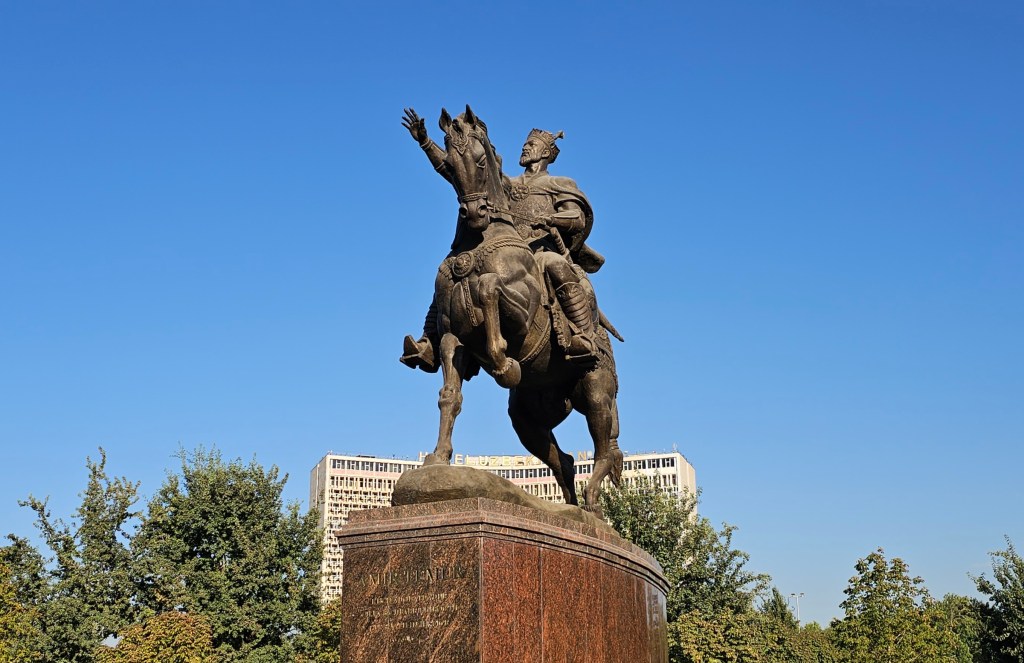
As we explored the history throughout the trip, we kept running into the legacy of Amir Timur. Born in 1336, this formidable Turko-Mongol conqueror once ruled over vast swaths of Central Asia. He was undeniably a brilliant military strategist—even famously defeating the mighty Ottoman Empire—but his legacy is incredibly dark. History estimates he was responsible for the deaths of around 17 million people, which was a staggering 5% of the world’s population at the time, meaning his brutal campaigns left a deeply complicated mark on the region.
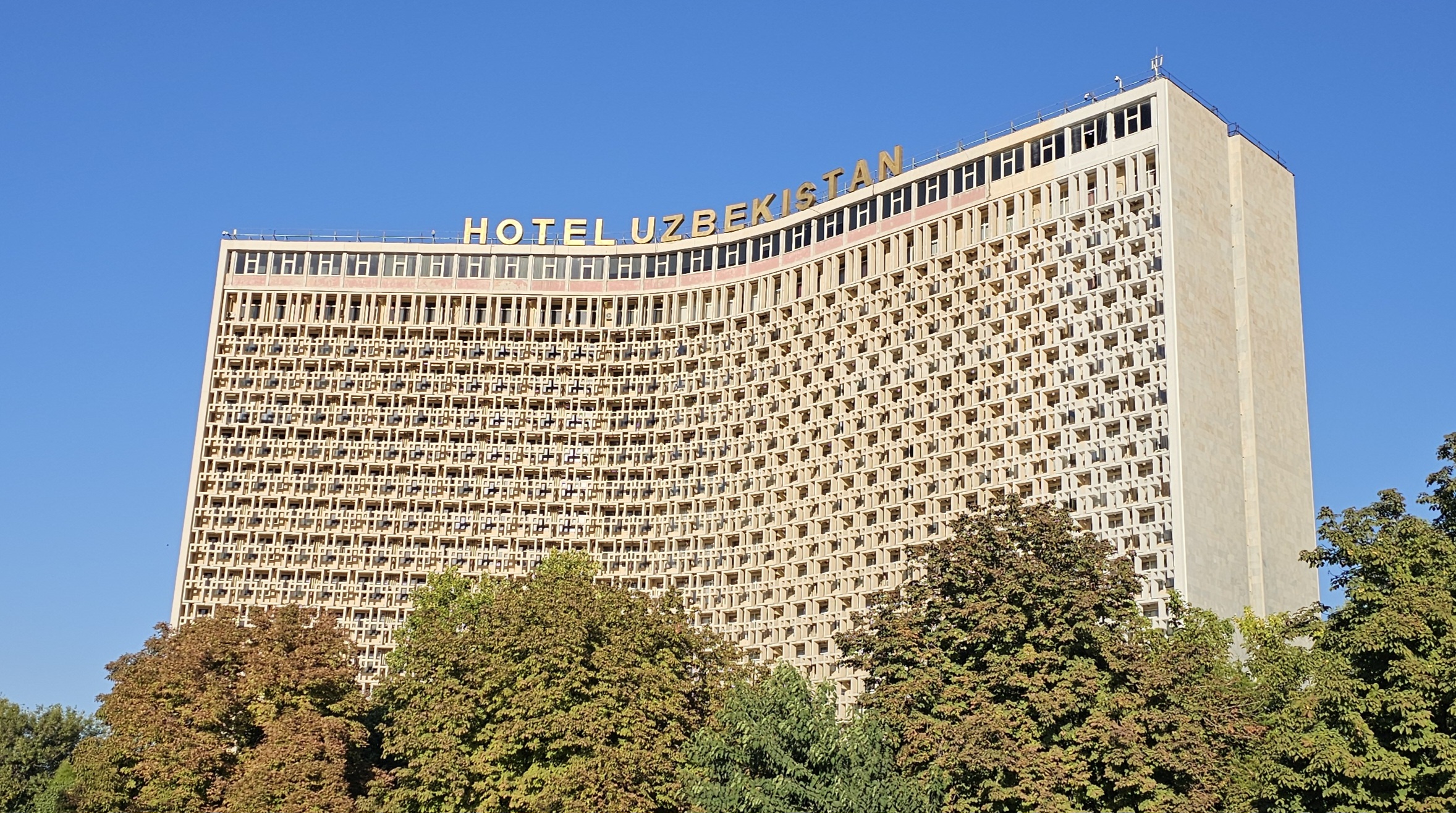
Opposite Amir Timur Square is the Hotel Uzbekistan. This hotel is famous for its striking Soviet architecture which is shaped like an open book. First opened in 1974 this 17 storey structure is anti-seismic, i.e. built to be earthquake proof.
Historically, it was a luxury hotel used by diplomats and with its grand staircases the interior ensures a step back in time to the Soviet era.
I recognised this imposing building from Series 1 of BBC’s Race Across the World as it was one of the checkpoint hotels.
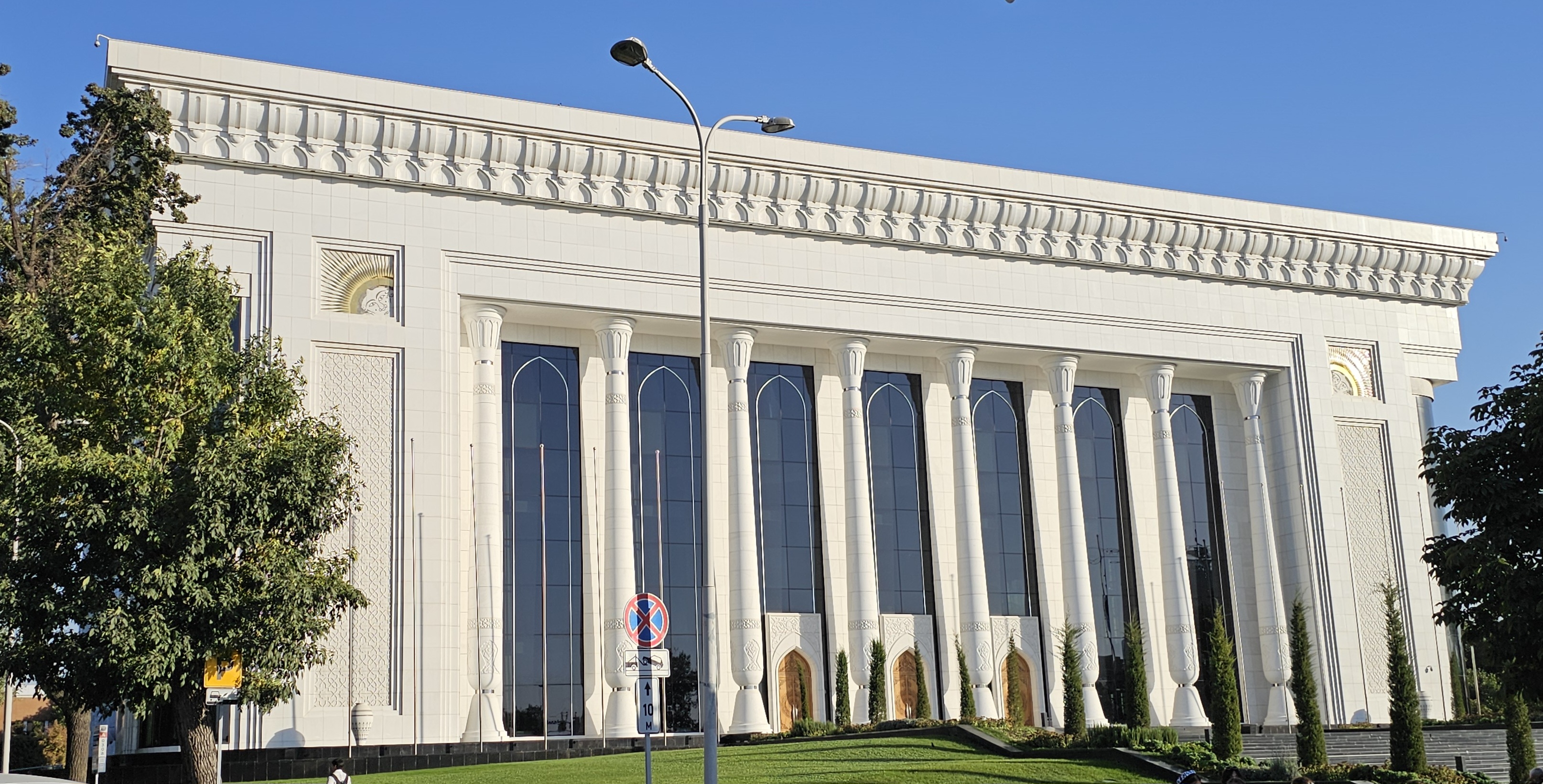
The Palace of International Forums is a concert venue which also hosts expeditions and suchlike.
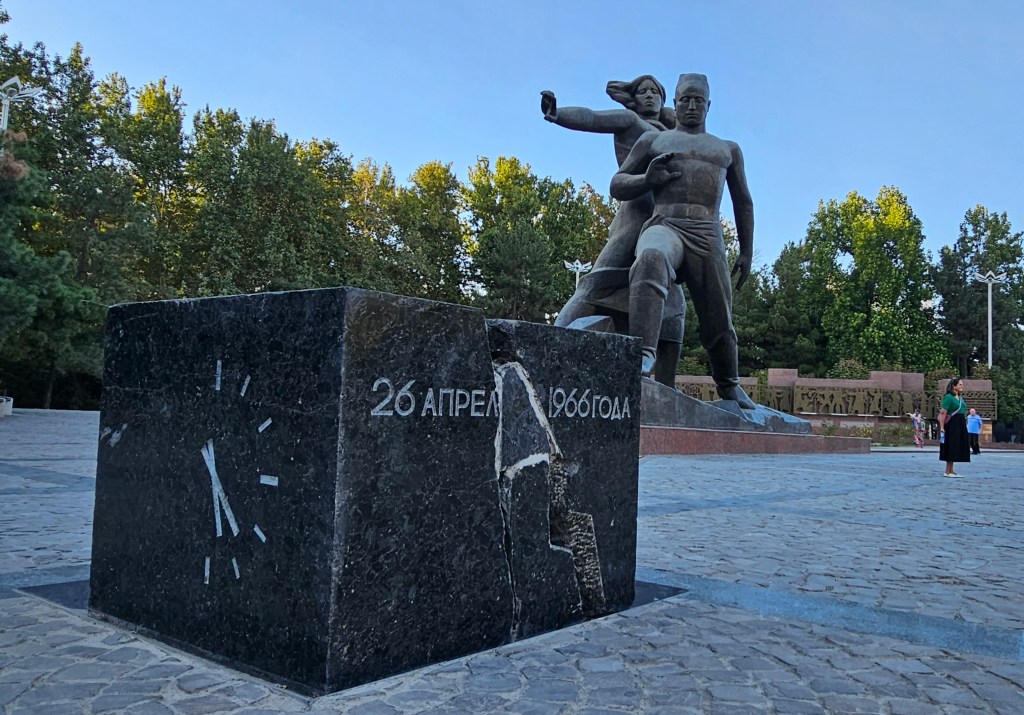
Our next bus stop brought us to the 1966 earthquake memorial, a sobering reminder of the day the city changed forever. On 26 April 1966, a shallow 5.8-magnitude earthquake struck directly beneath the city center. The disaster flattened 80% of the central buildings and displaced up to 300,000 people, making this monument a powerful symbol of survival and rebuilding.
The black cube (above) has a jagged crack which symbolises the earth splitting and a clock which is permanently set to 5.22 am which was the time the earthquake struck.
Founded in the 7th century in Arabia, Islam is the world’s second-largest religion, centred on the belief in one God (Allah) and the teachings of the Prophet Muhammad. Its holy book, the Quran, acts as a spiritual and practical guide for followers. Historically, the expansion of Islam through Central Asia didn’t just bring a new faith; it brought a massive explosion of art, architecture, and scientific discovery.
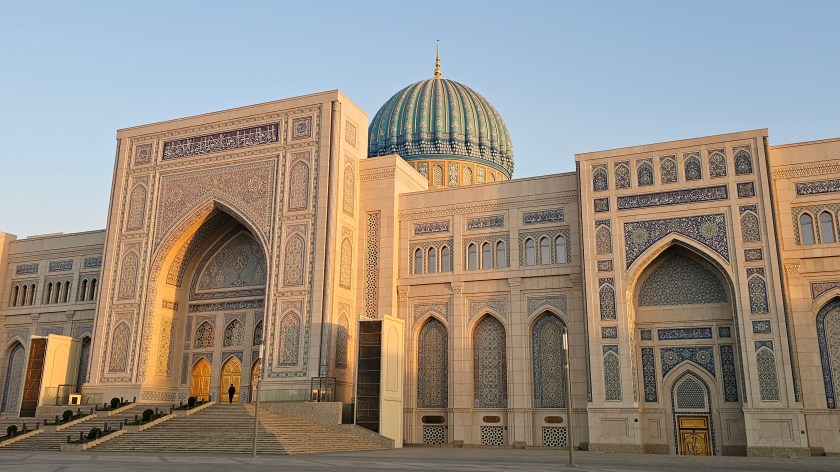
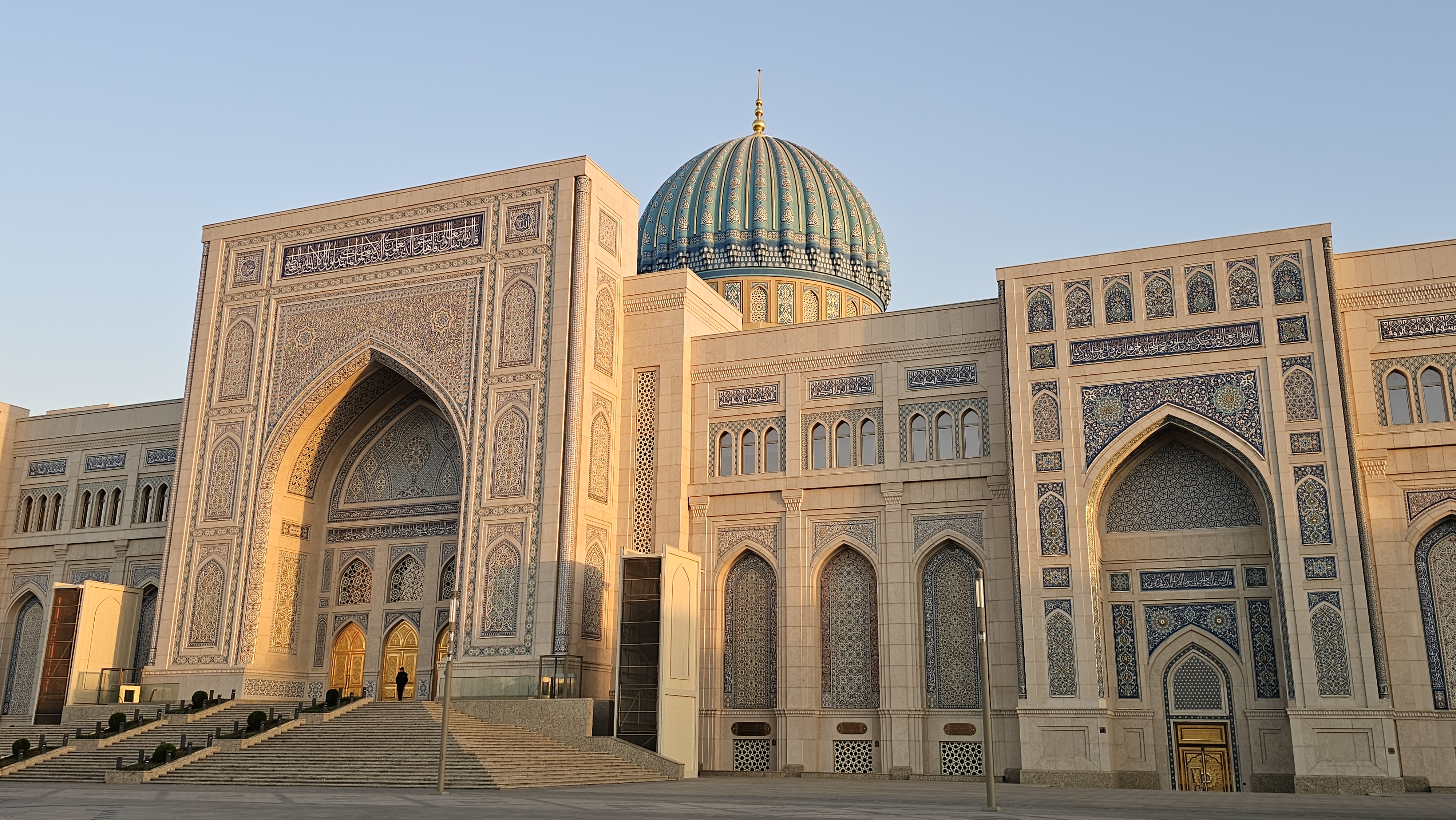
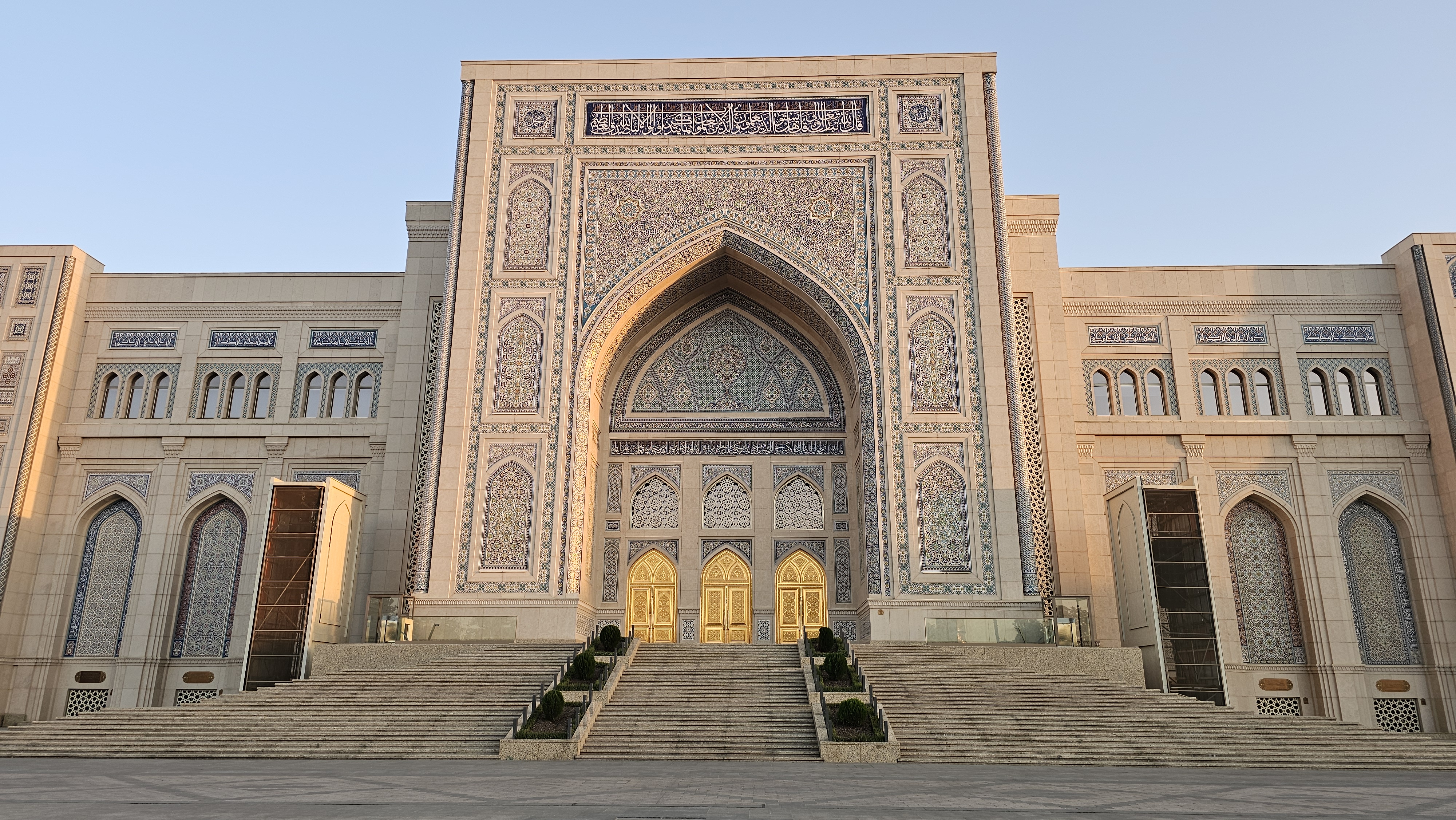
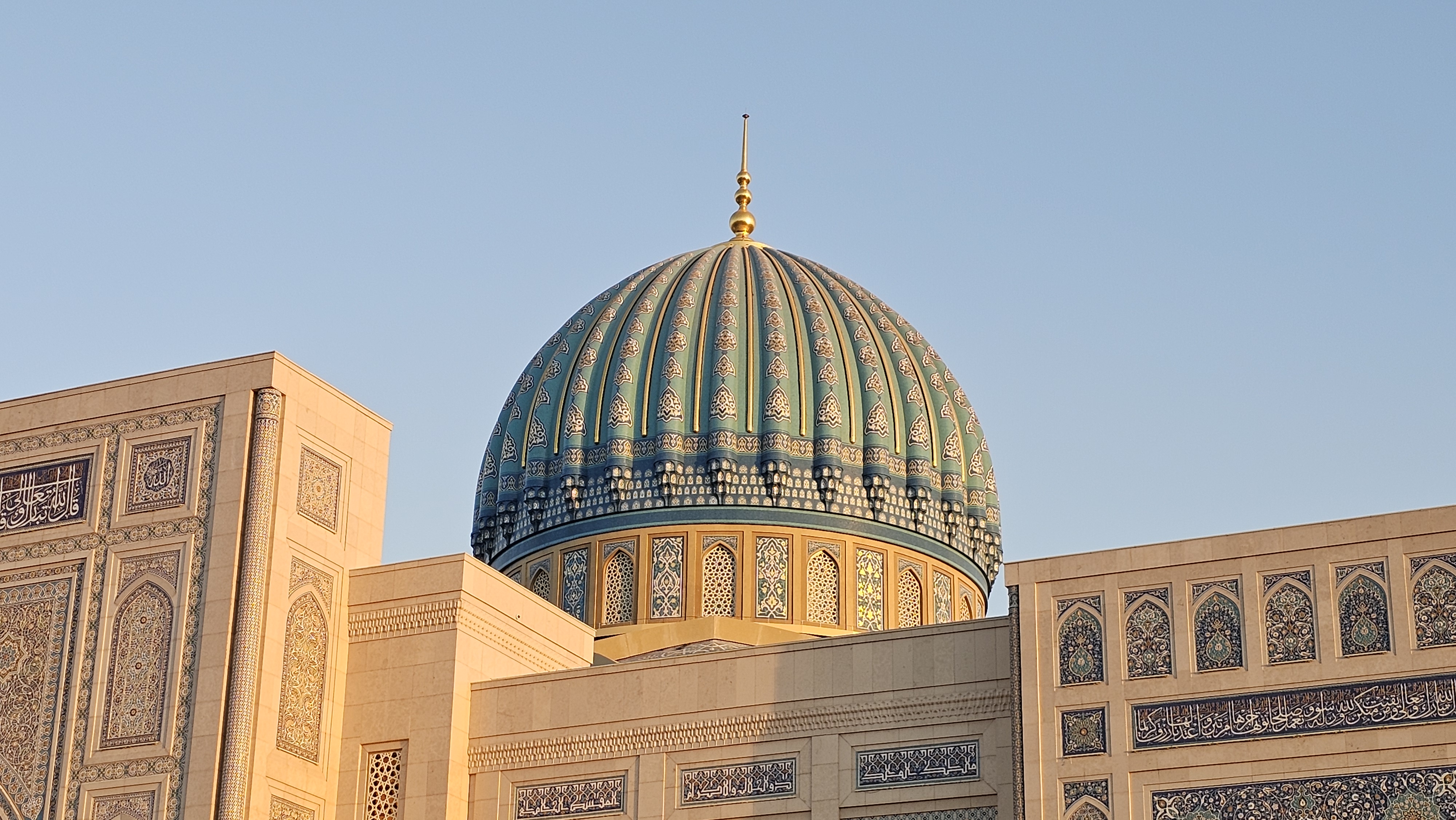
To celebrate that massive legacy, the Center of Islamic Civilisation was built, marking our final and most spectacular stop of the day. Officially inaugurated in March 2026 by President Shavkat Mirziyoyev, this state-of-the-art complex was established to preserve and showcase Uzbekistan’s rich Islamic heritage.
With its turquoise dome and ceramic tiles in shades of blue it was an impressive structure but unfortunately we were not able to enter as it wasn’t open. Islam was established in this region from the 9th to the 13th centuries when silk garments became symbols of power and inside there is a museum containing a large collection of archeological discoveries, textiles etc.
Evening meal
After all of that sightseeing, it was time for some food! Sanjar suggested that to find a decent restaurant would involve getting a taxi. With an early start the following morning, most of the group decided the best option for evening dinner would be our hotel.
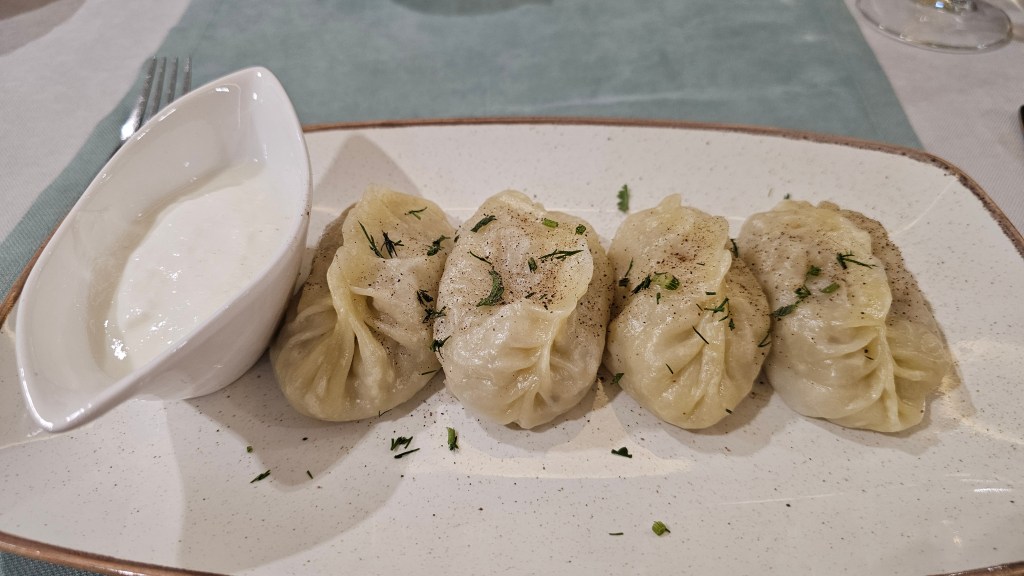
With the exception of breakfast earlier in the day, this was our first Uzbek meal. I ordered ‘potato manti and grilled vegetables’ which were small steamed dumplings which reminded me of momo’s, the Nepalese staple.
Similar to Sumatra earlier in the year, we found that generally, all drinks and food turned up randomly and in no particular order! This was often the case throughout our trip with some having finished before another person even had their starter!
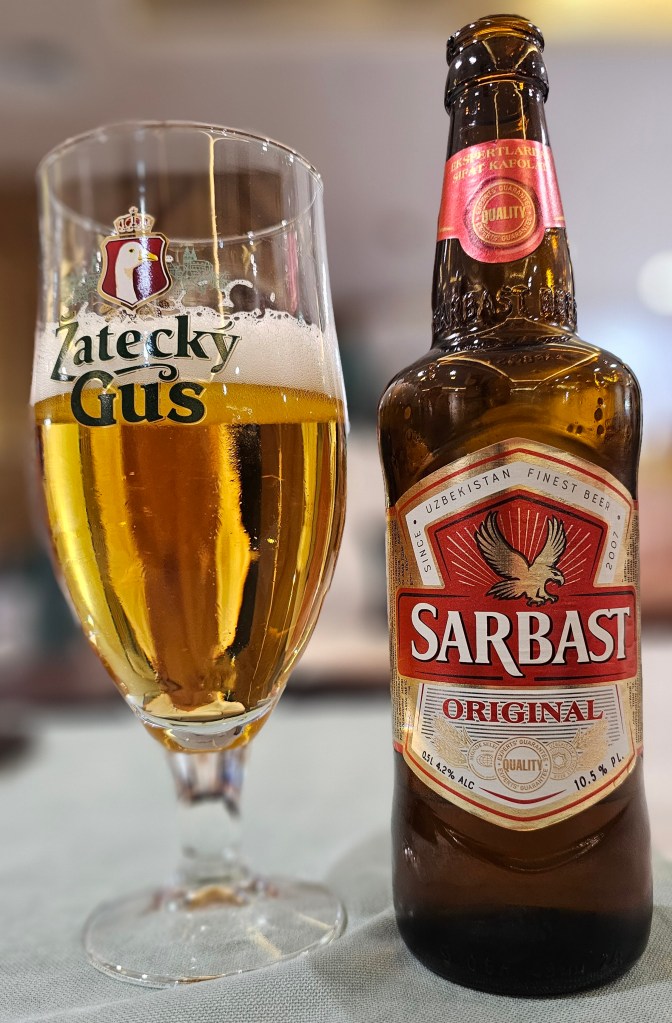
I didn’t waste any time in getting acquainted with the local beer which was very tasty!
Money matters
Officially the Uzbek som is not a closed currency however as it is difficult to obtain outside of the country we were advised in the Explore trip notes to take USD in cash.
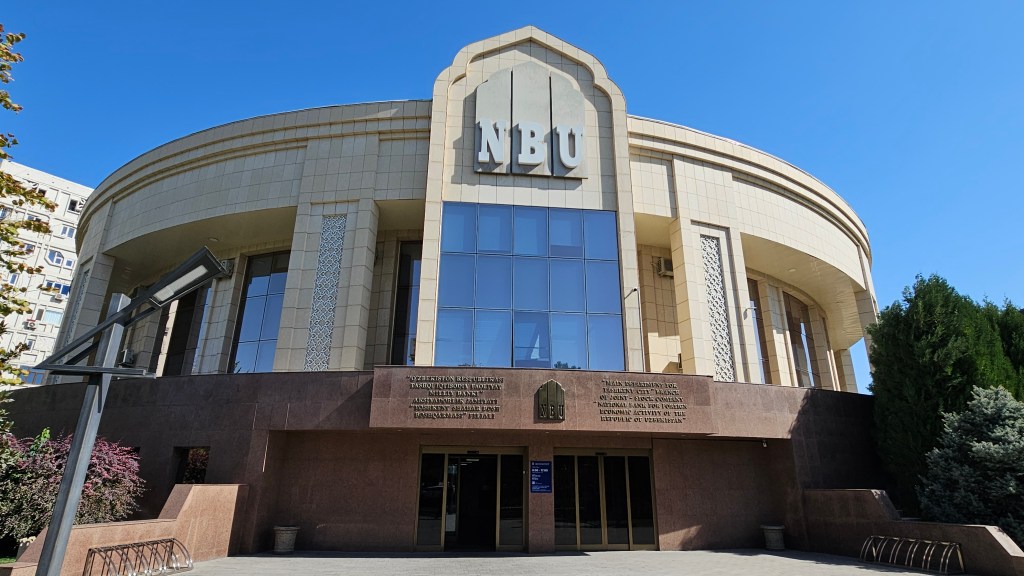
Armed with our USD, Bridget and I left the hotel and walked for 5 minutes to the National Bank of Uzbekistan which is open until 1 pm on Saturdays. We were offered a good rate of exchange and I exchanged both USD and sterling.
ATM’s often run out of cash which was the case in our hotel. We tried the ATM in the reception where you insert your USD or euro notes which are machine counted in exchange for som. The USD re-appeared due to the machine being empty. The ATM rate was still good but not quite as good as the bank. You could also use a card such as Monzo… when cash available that is!
Summary
Thanks to Sanjar’s enthusiasm and willingness to share his impressive knowledge together with a friendly group of fellow Explorers, Bridget and I had a wonderful start to the trip and a great introduction to Uzbekistan.
Tomorrow morning we depart Tashkent with an early domestic flight to Urgench, our gateway to the ancient world. From there, we are heading straight into the legendary desert oasis of Khiva, where our Silk Road adventure truly begins.

