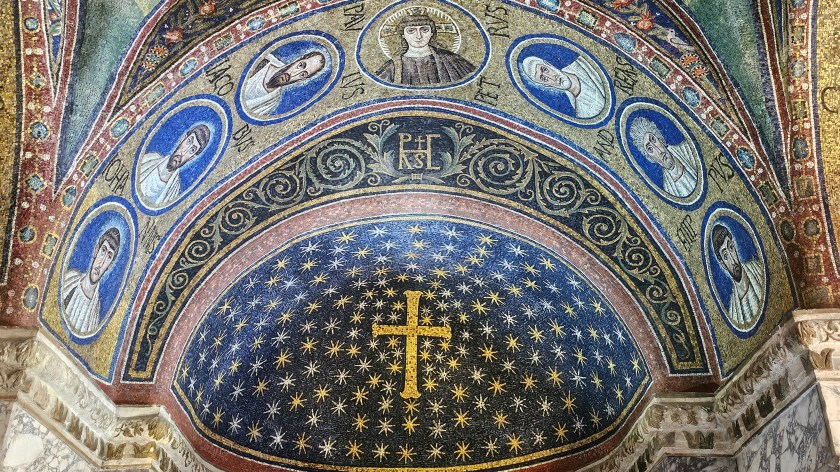
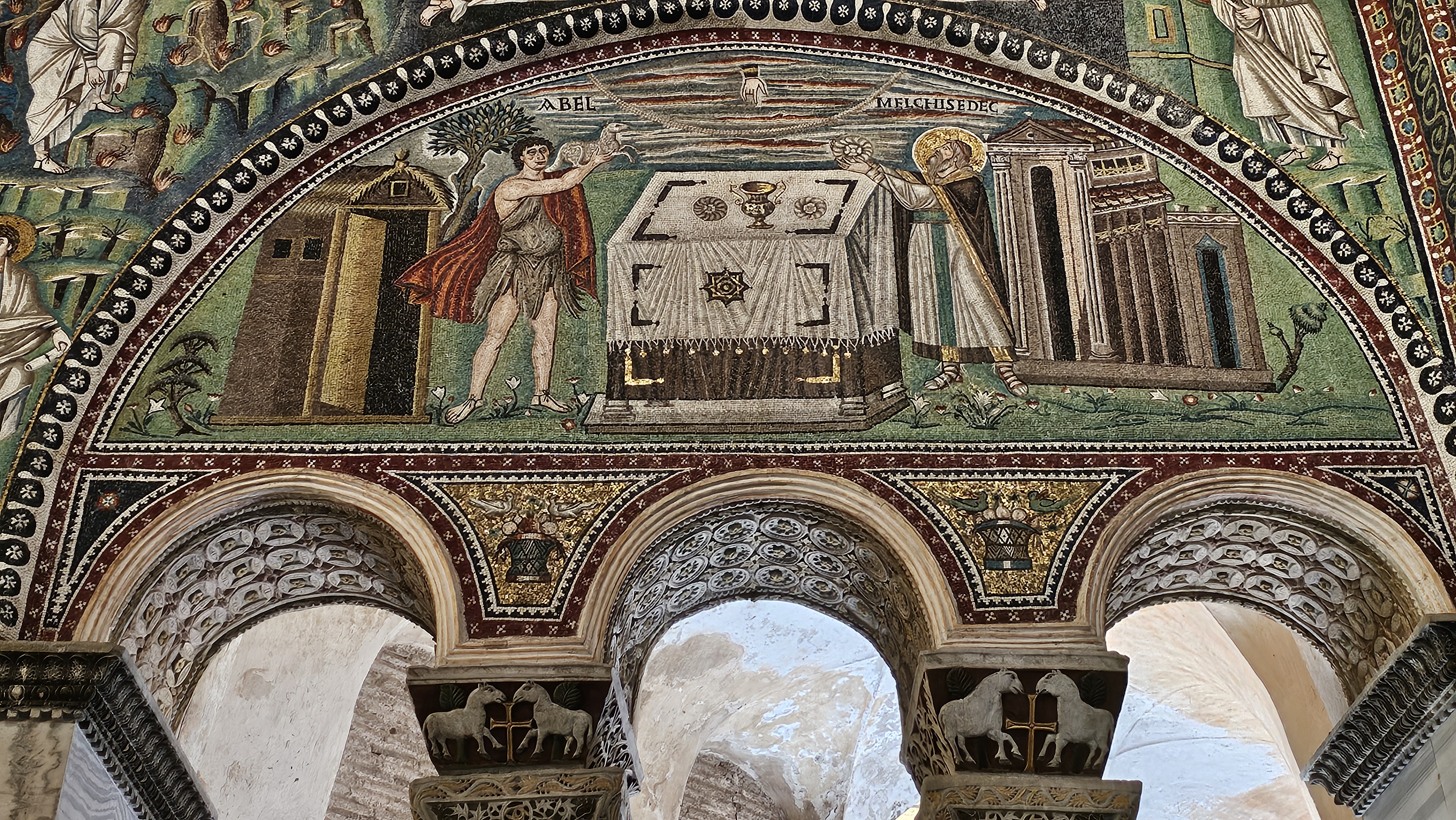
The Italian Ministry of Tourism describes the city of Ravenna as “a showcase of art, history and culture of rare beauty”. The origins of Ravenna date back to the 5th century BC and throughout the centuries the city has been occupied by civilisations including Romans, Venetians and Byzantines.
Ravenna is around an hour by direct train from our base at Rimini so a perfect day trip for Bridget and me!
At Rimini station we purchased our single train tickets for just €5.40 each (under £5) and set off for Ravenna.

The historical centre of Ravenna is about a 15 minutes walk from the train station and the first place we came to was the Piazza del Popolo.
Piazza del Popolo (Peoples Square) is the main square in the heart of Ravenna having been built in the 15th century by the Venetians. Its origins date back to the 13th century when the Da Polenta family ruled the city. Today the square is lively throughout the day and into the evening with its open air cafe’s.
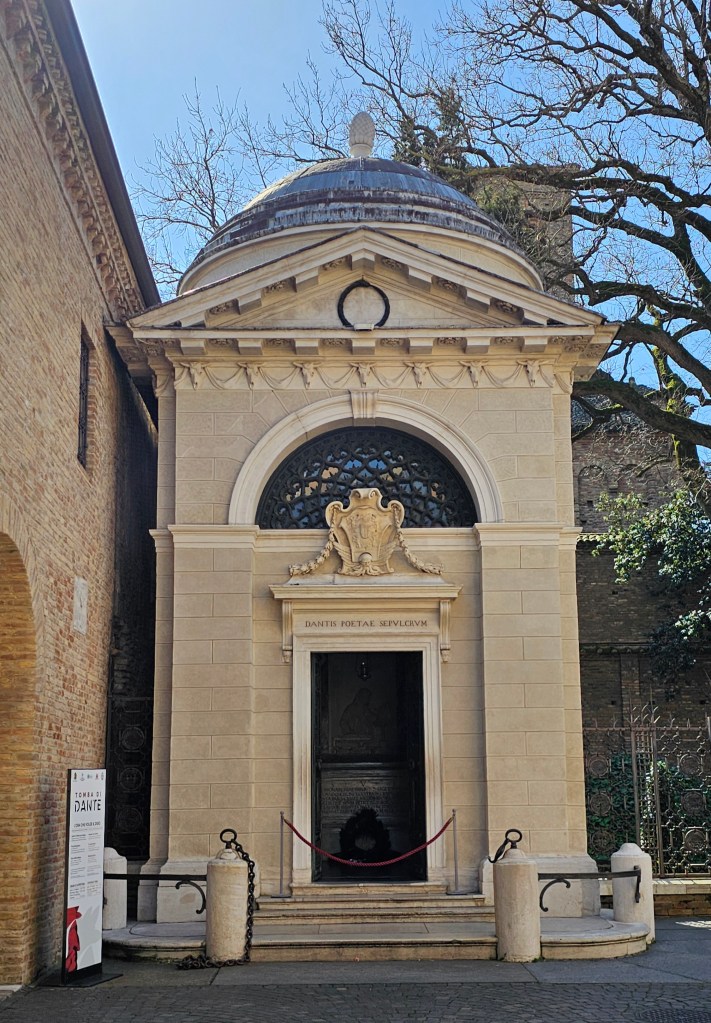
Dante Alighieri was an Italian writer and poet who was born in Florence in 1265. Shortly before his death in 1321 he finished the Divine Comedy a narrative poem which is considered amongst the greatest of Italian literature.

Dante died in Ravenna and his tomb is located next to the Basilica of San Francisco. There is an abundance of red Dante images throughout Ravenna.

Dante used to stay in the Basilica of San Francisco and this was probably his most frequented church.
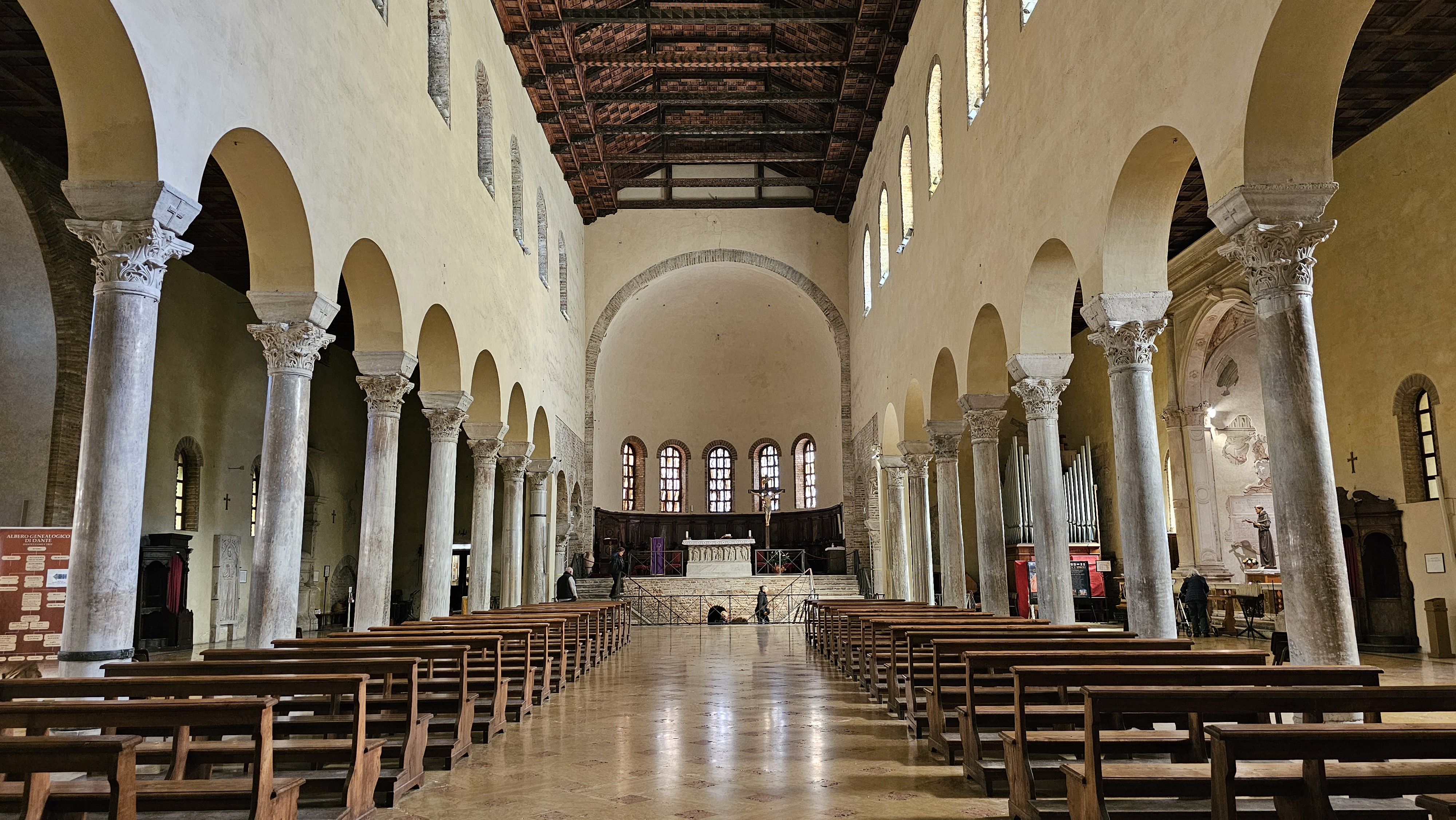
The original church was built in the 5th century although it has been restored several times throughout the centuries.

A flooded crypt can be found in the San Francisco Basilica! There is a small window at the back and you have to put a euro in a box which illuminates the crypt for a short time. You can then see the mosaics preserved underneath the water and also the goldfish swimming around! Mosaics and fish in the flooded crypt which was fascinating and something I don’t think I’ve seen anywhere else.
Where to see the famous mosaics…
For 12.5 euros you can purchase a combined ticket which gives you entrance to 5 of the main sites for mosaic spotting.
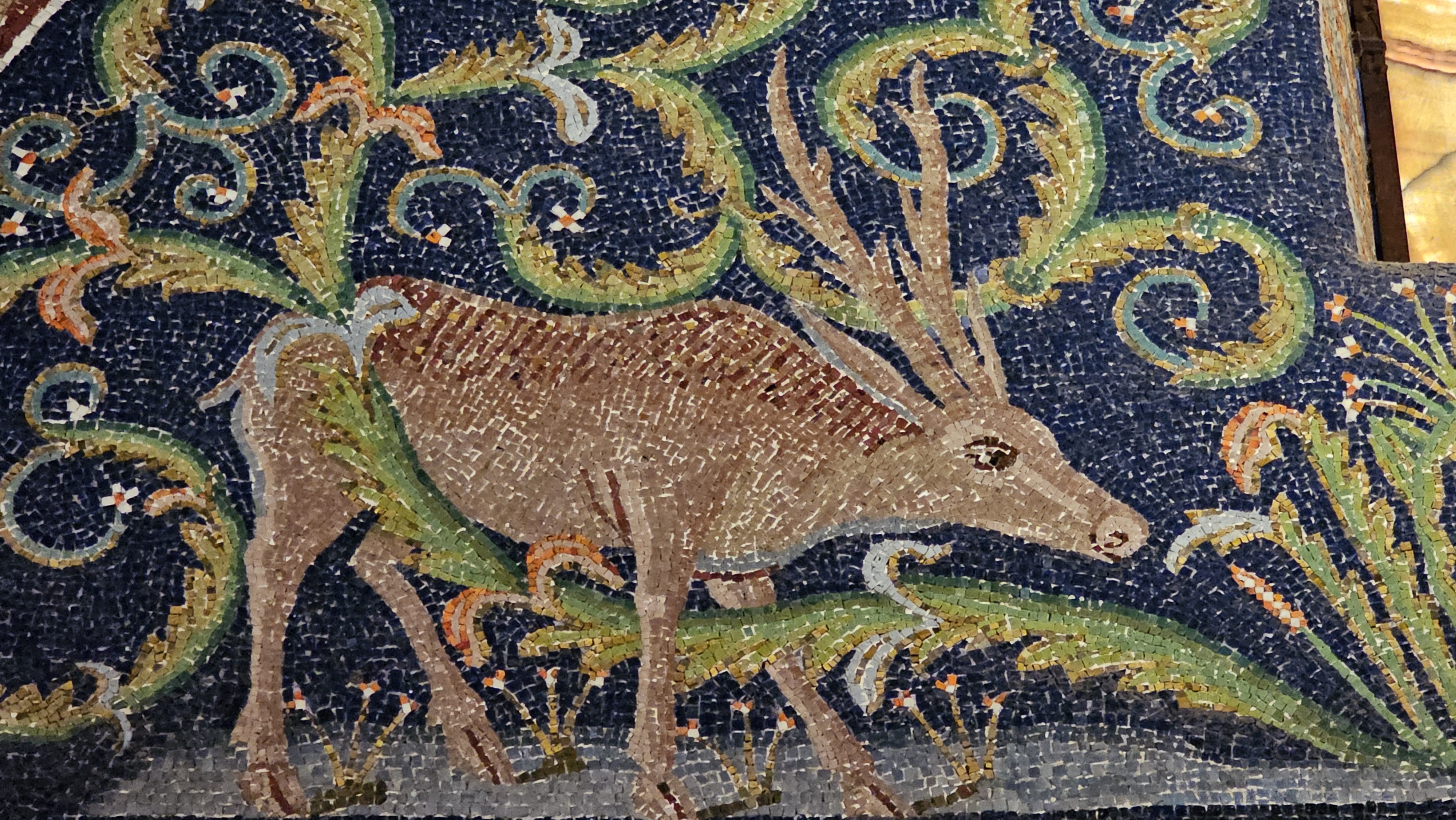
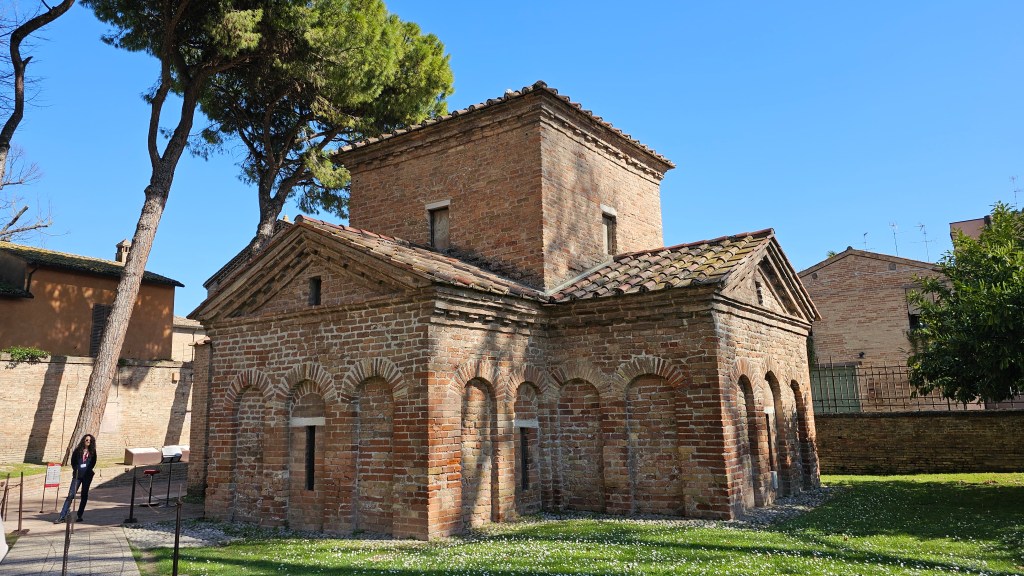
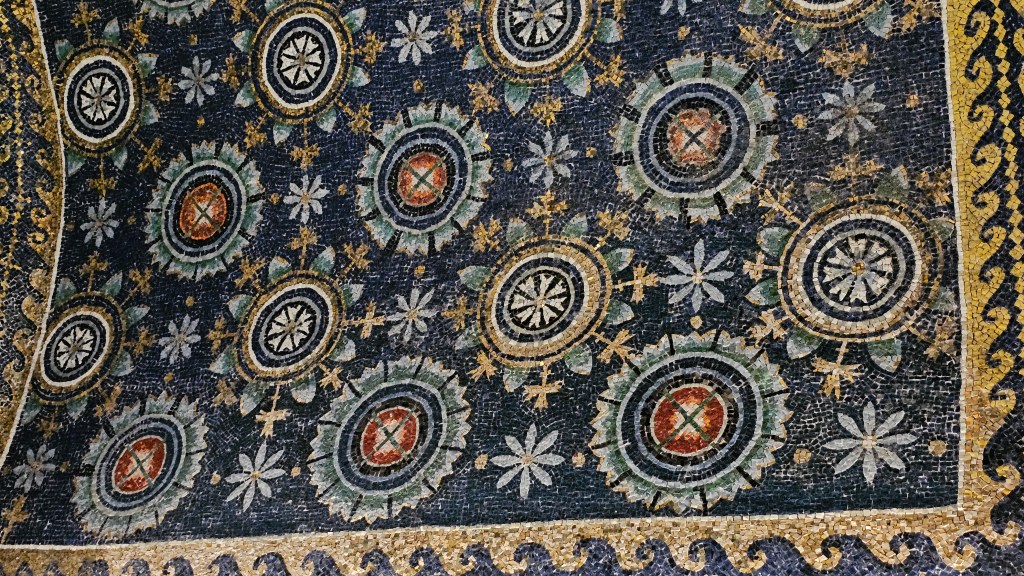
First up was the Mausoleum of Galla Placidia which was constructed in the 5th century and is one of the oldest buildings in the city. From the outside, this small humble terracotta building looks rather plain but as soon as you step inside there is a kaleidoscope of intricate colour as mosaics cover the interior.
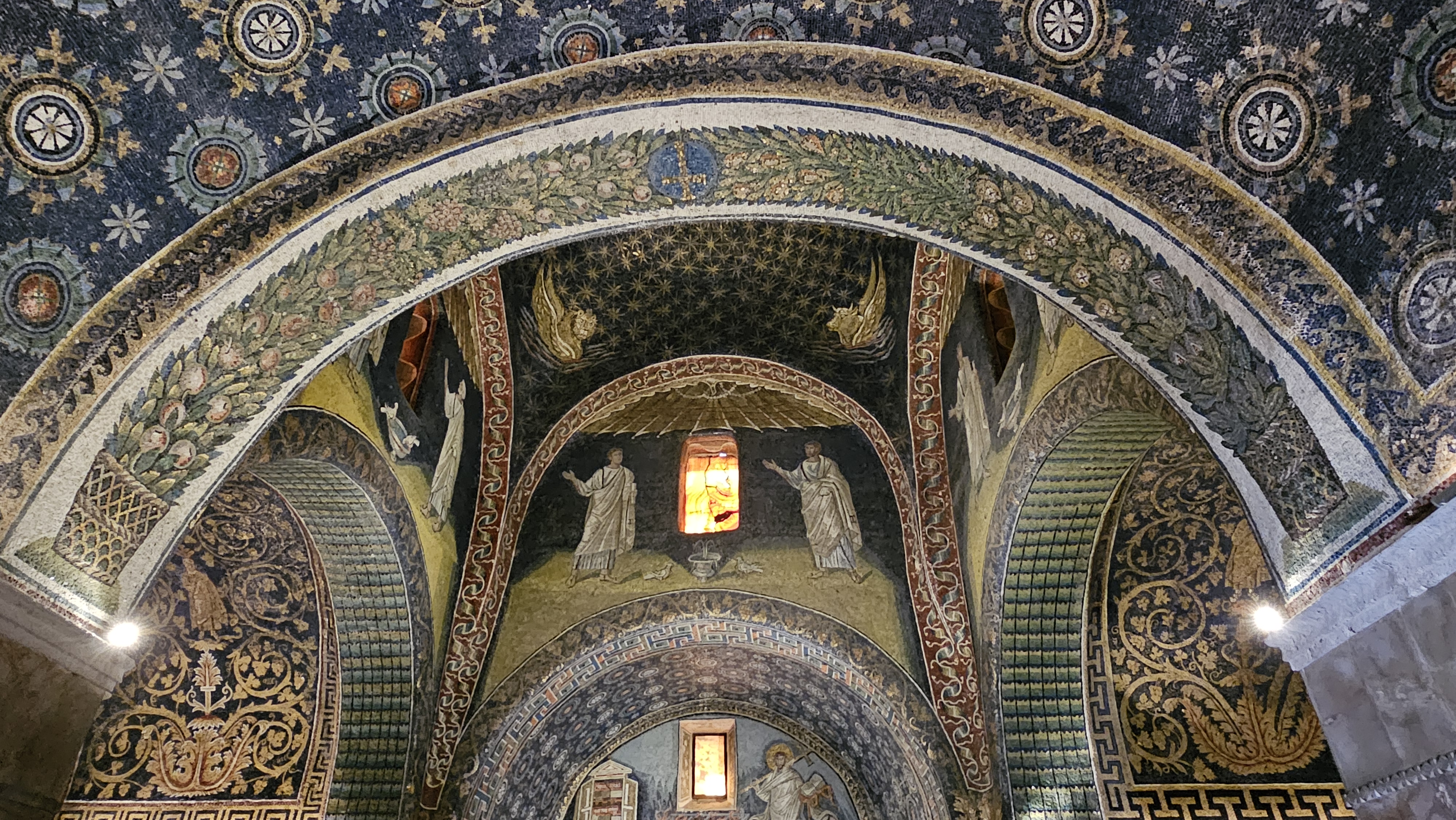
The spectacular mosaics convey messages about funerals. For example, the information sign outside explains the dark blue mosaics represent the night sky and the mystic shepherd is at the front door of Heaven. Dove mosaics can be found drinking from the spring of Eternal Life.
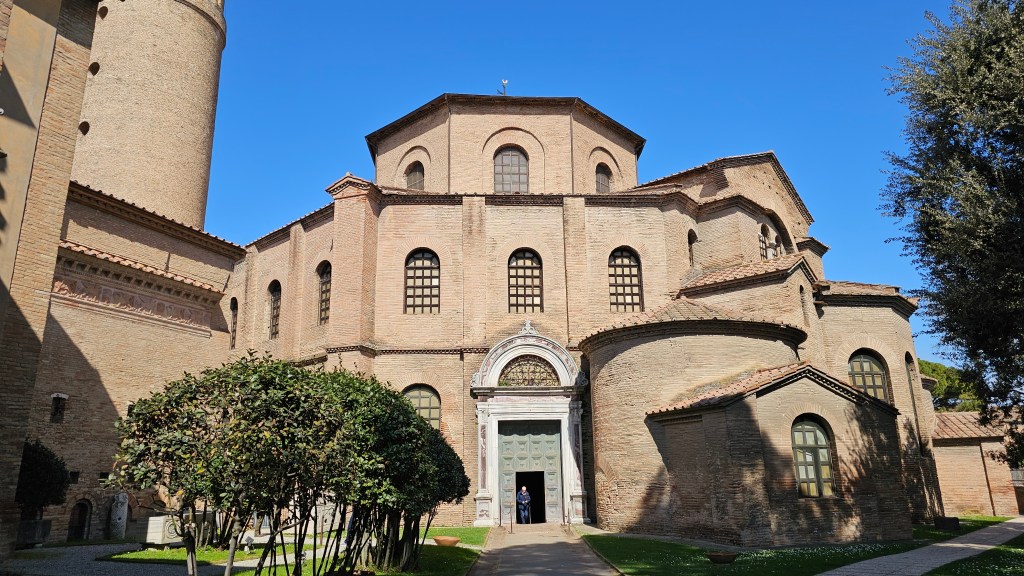
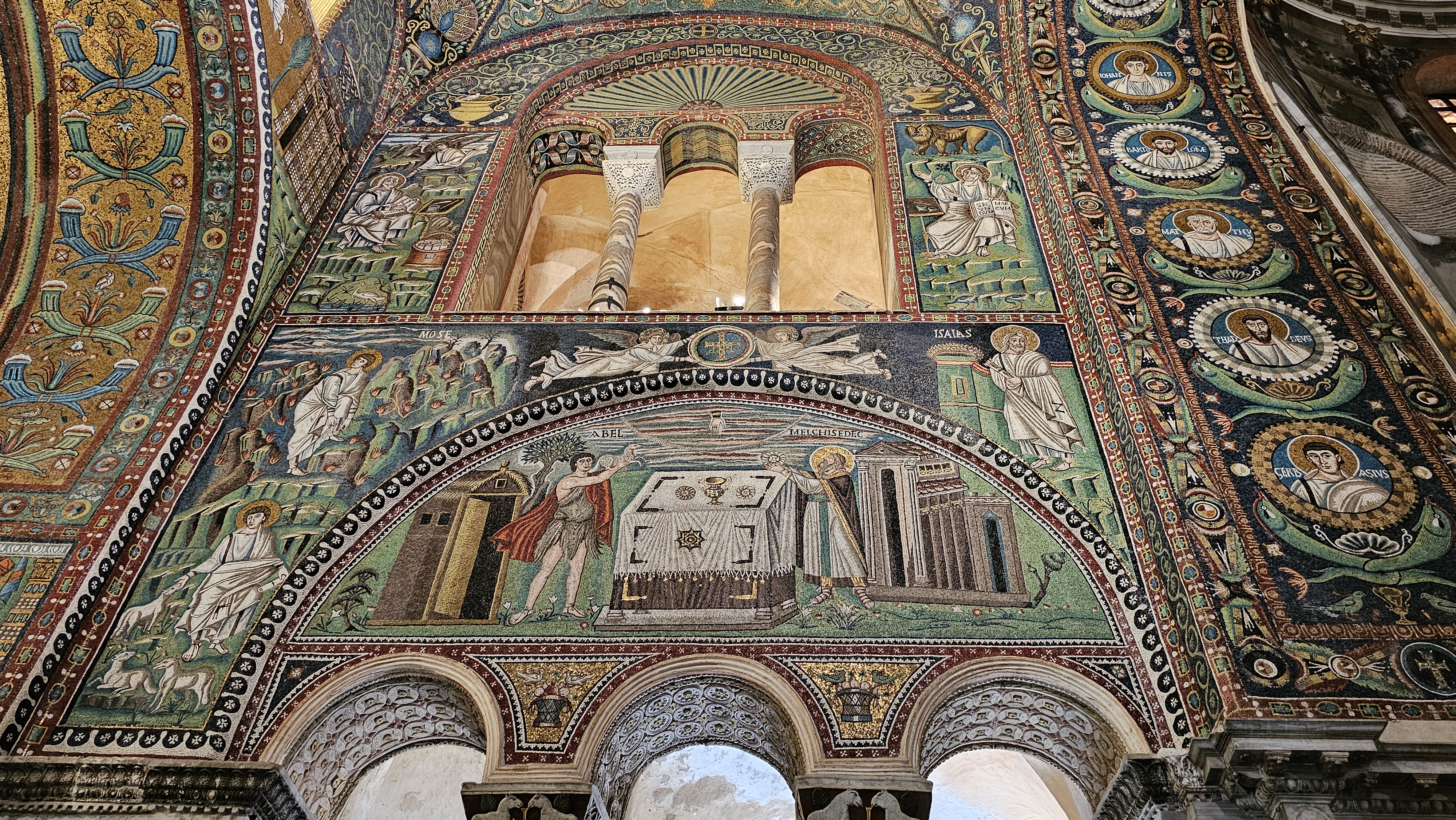
Next to the Mausoleum and built in 547 the impressive Basilica of San Vitale also was full of magnificent mosaics made with gold leaf and small coloured tiles.
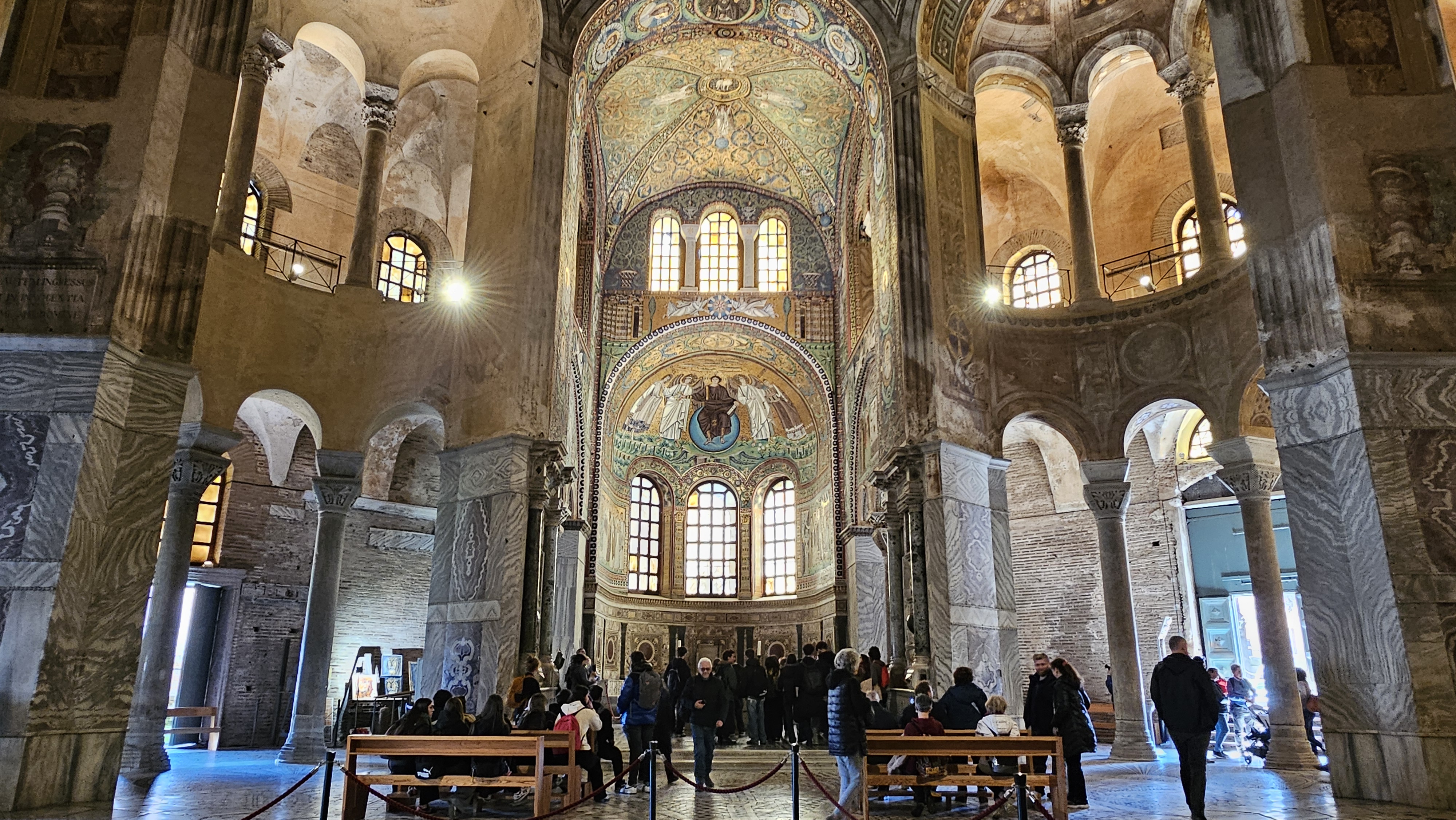
Built by the Byzantines, the Basilica di San Vitale is huge and has been a UNESCO world heritage site since 1996. It is considered a masterpiece of Byzantine architecture, the building style which came from Constantinople (now Istanbul).

From the first two sites we had to walk across the city for about 10 minutes until we came to Battistero Neoniano.

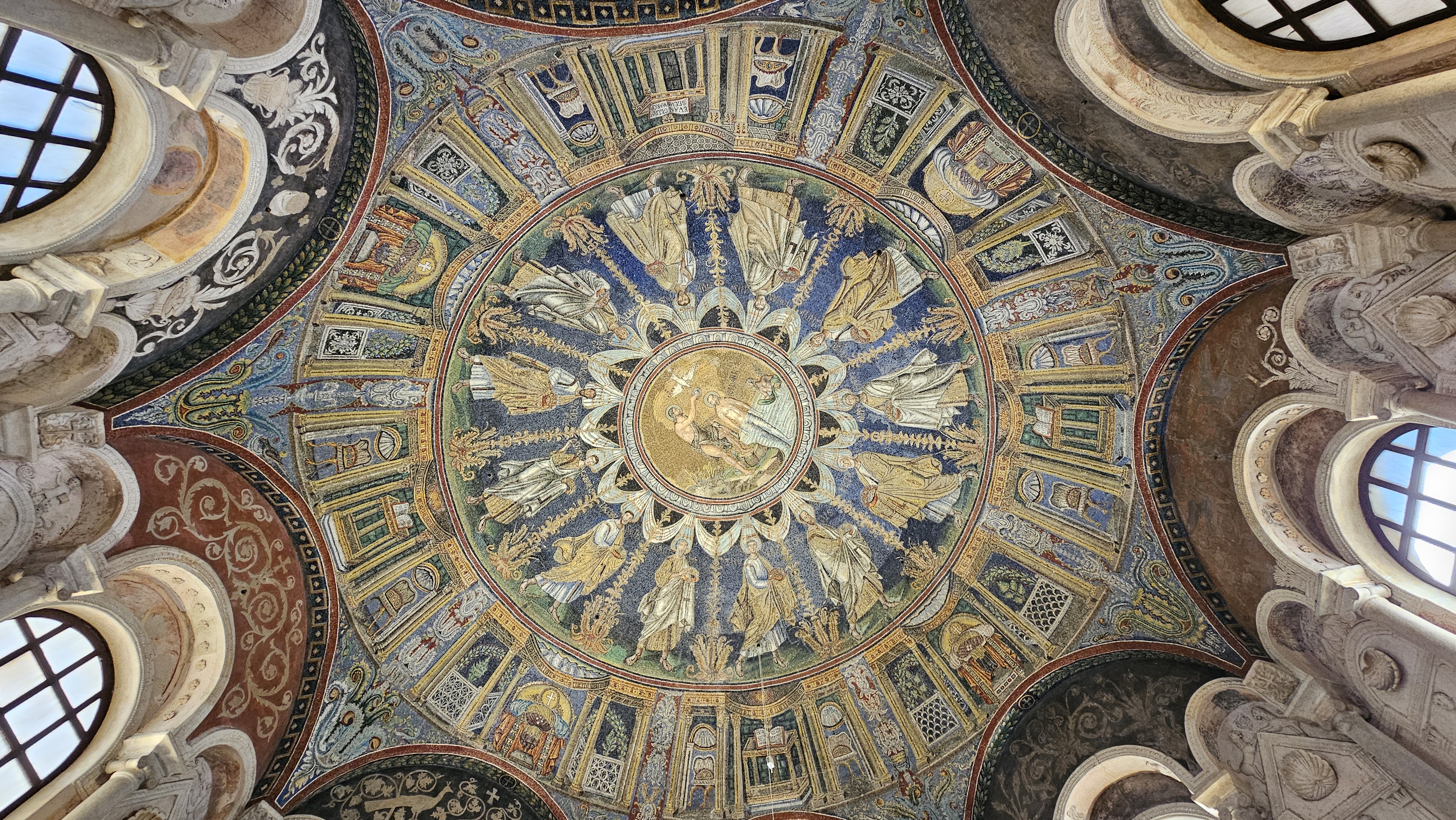
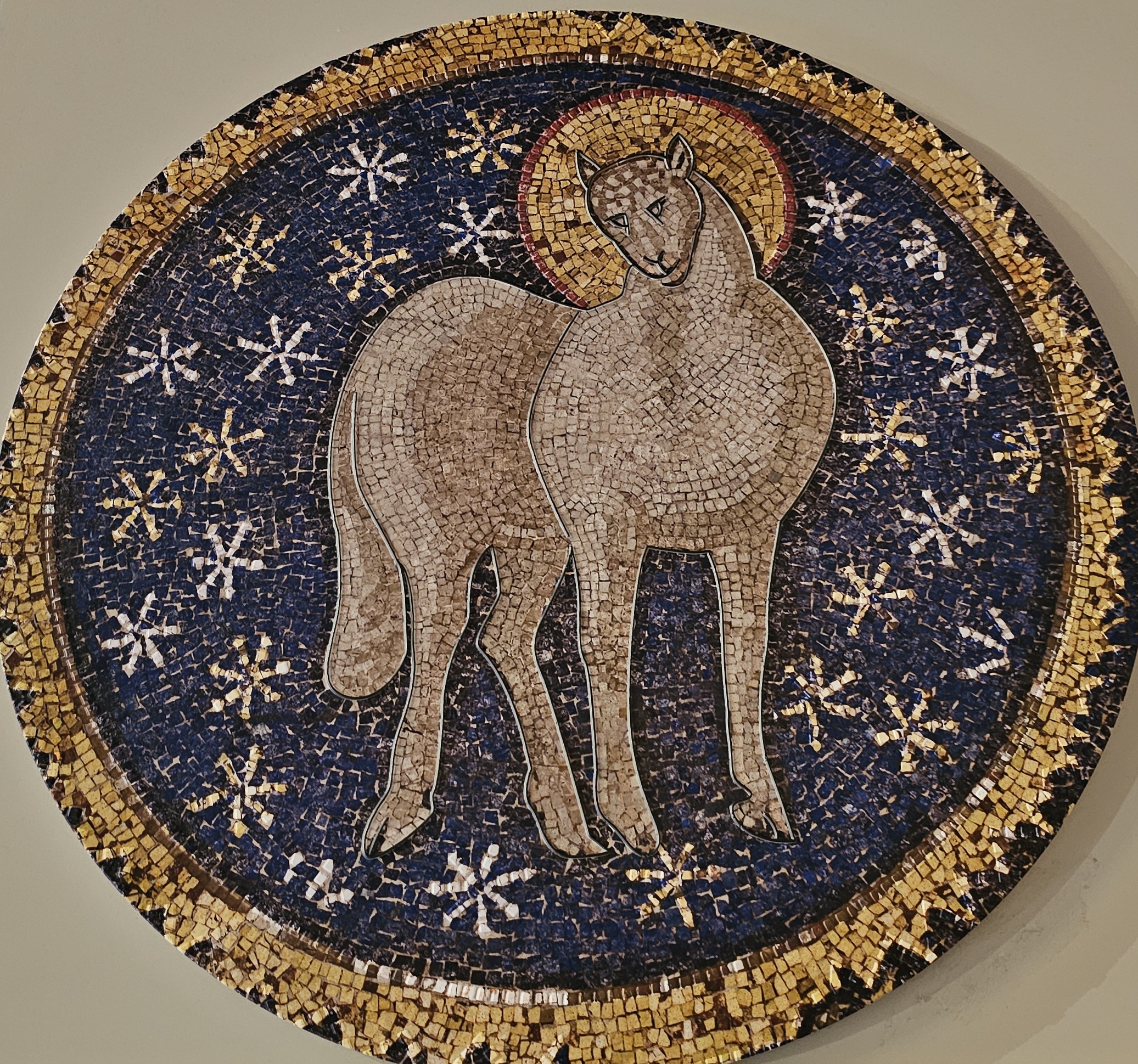
Battistero Neoniano (Neonian Baptistery) is an octagon shape and was likely an old Roman bath. The mosaics in here are influenced by roman classic art and feature the 12 Apostles.
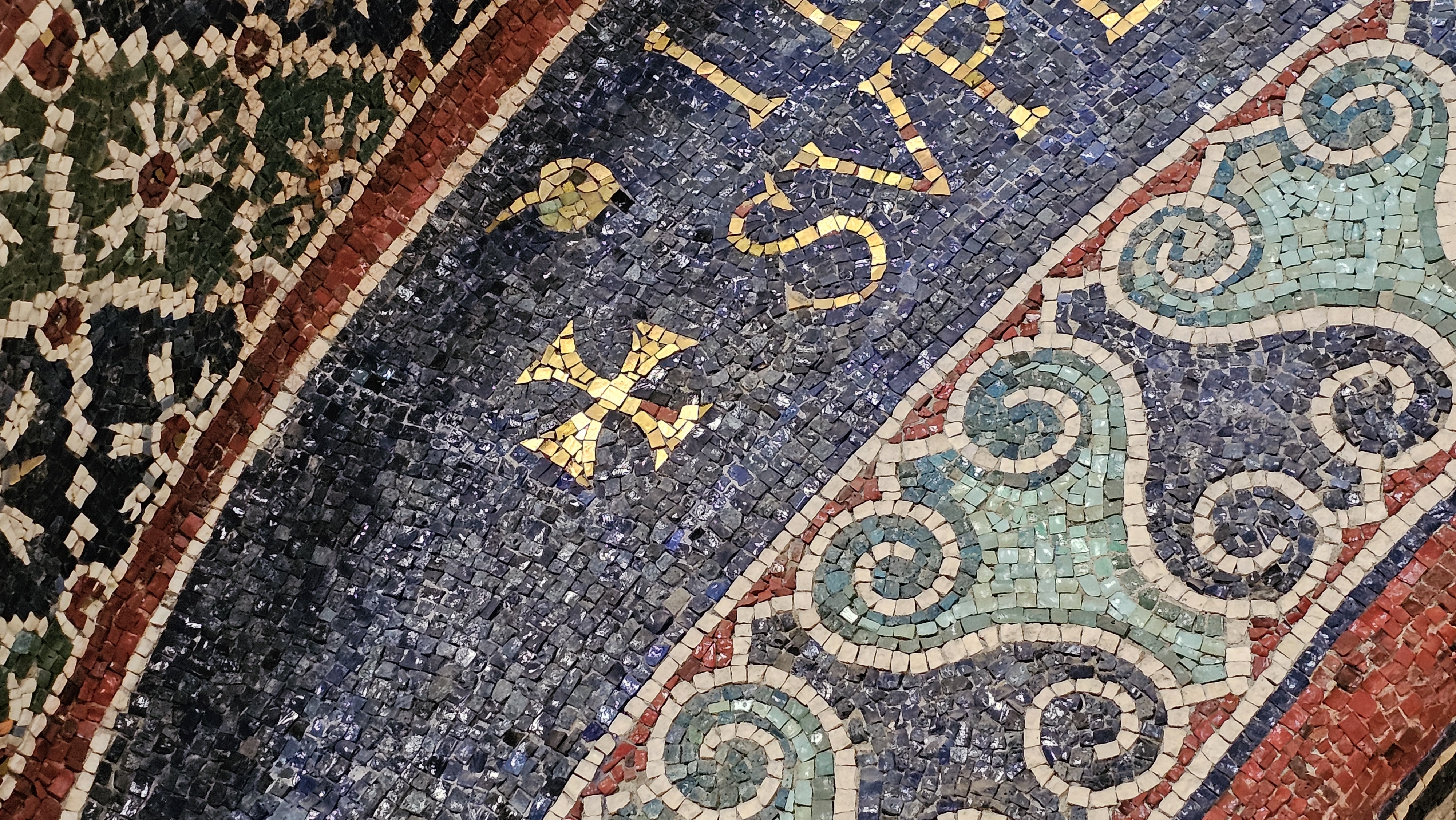
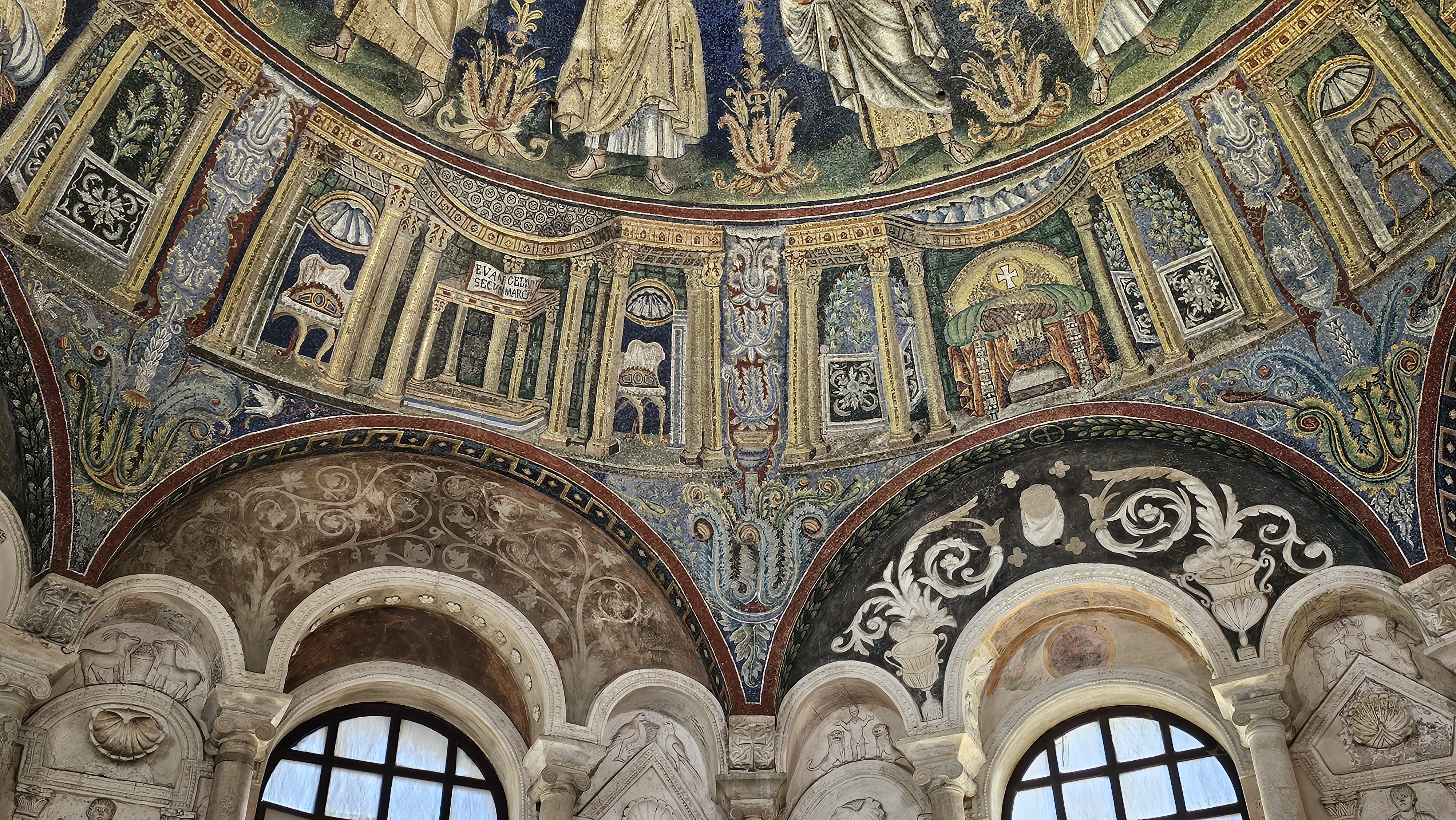

Next to the Neonian Baptistery is the museum and archiepiscopal chapel which was also included in our ticket. Ancient slabs were exhibited which had been discovered during excavations in 1734.

Produced by the engraving of a slab of marble, the Paschal calendar is one of the rarest pieces of the museum. This unique and remarkable calendar was created to determine when to celebrate Easter between AD 532 to AD 626.
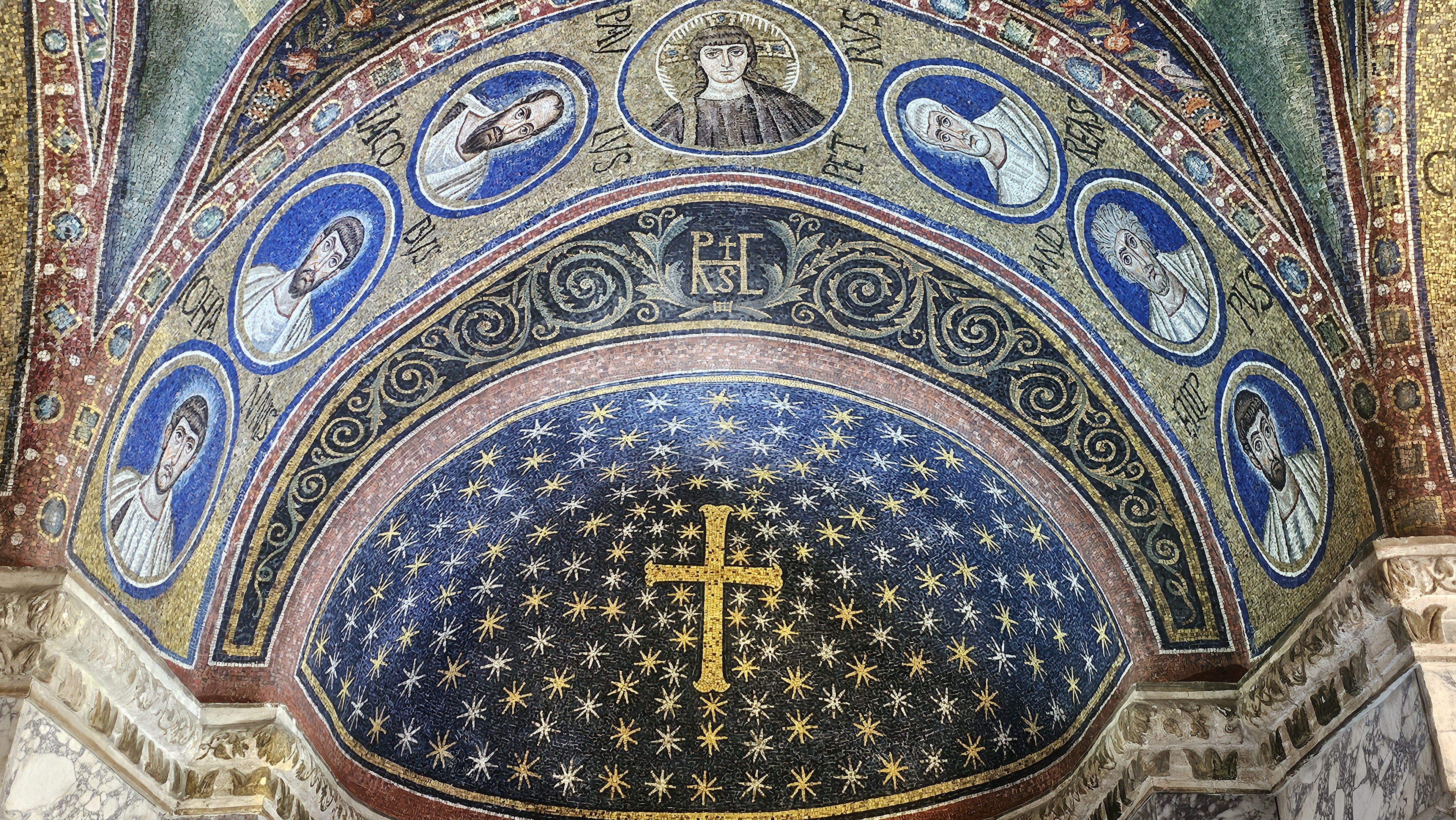
One of the rooms in the museum contains more incredible and detailed mosaics.

A painting of the Pope (sitting on the thrown) and Saint Peter kneeling in front of him.
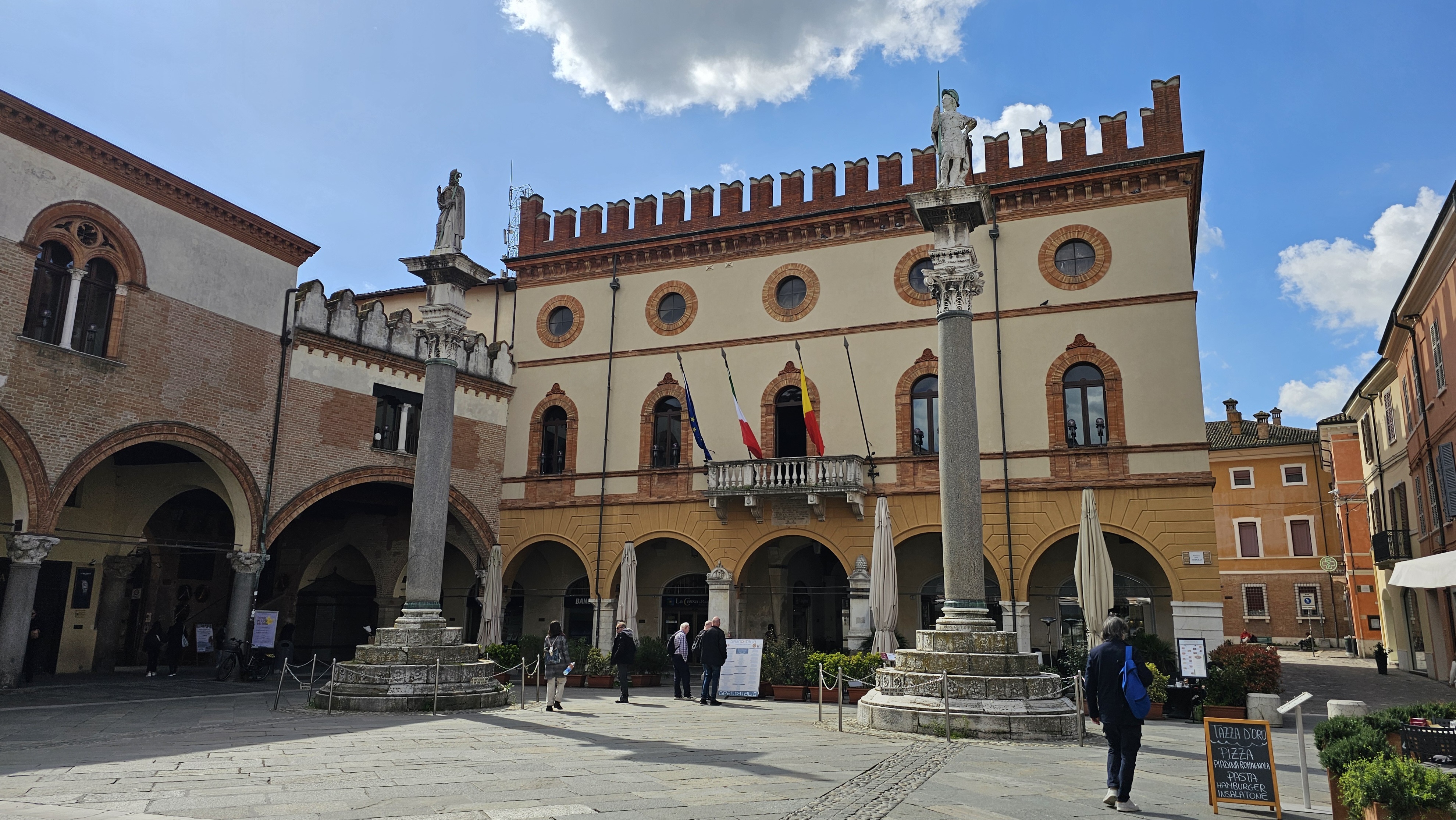

Following our museum visit it was time for refreshments in Piazza del Popolo 🙂

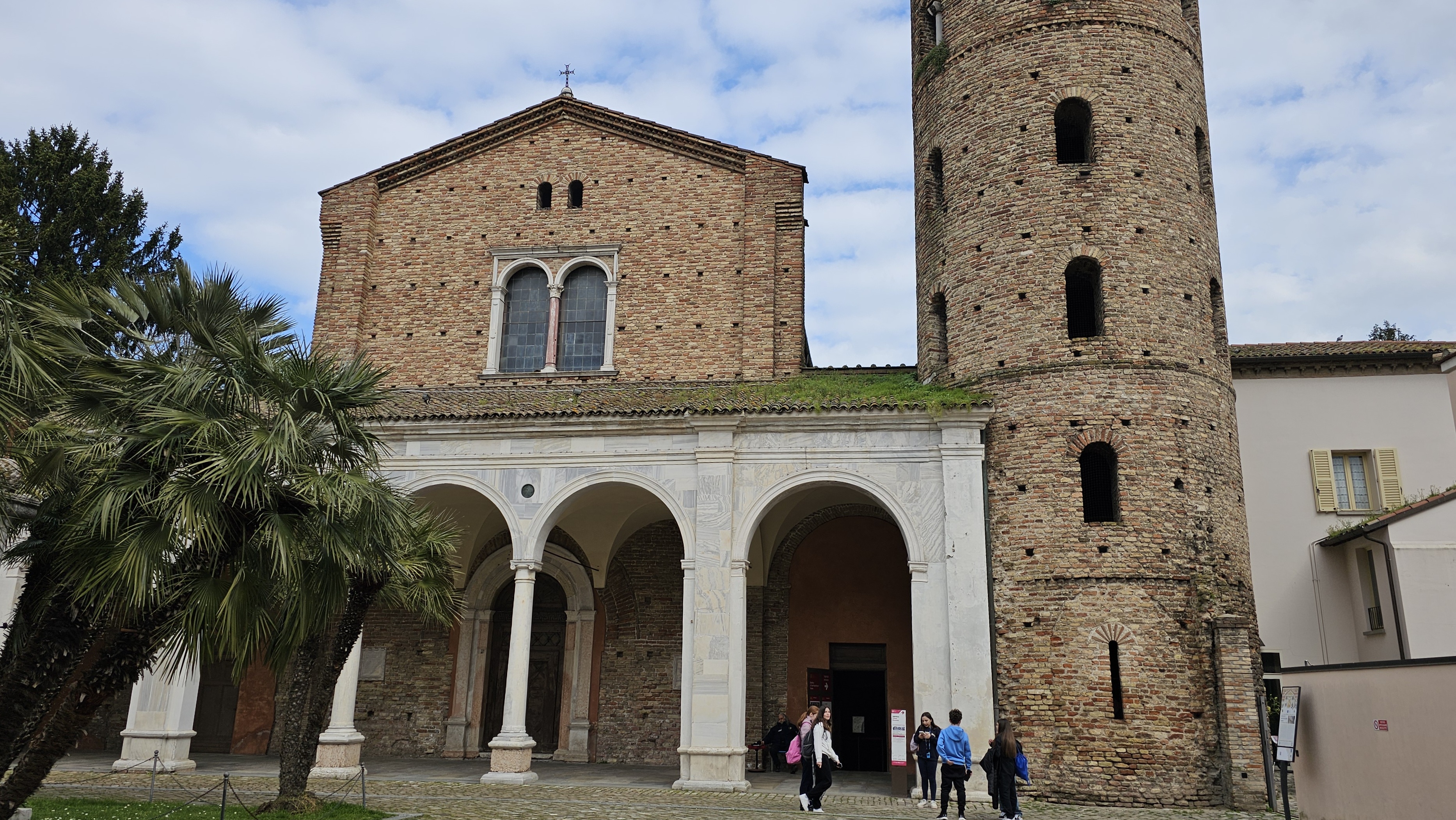
Our fifth and final mosaic venue was the Basilica di Sant Apollinare Nuovo which was a 10 minute walk from Piazza del Popolo.

Building of the Basilica di Sant Apollinare Nuovo began at the end of the 5th century and again, this became a UNESCO site in 1996.

Inside the Basilica di Sant Apollinare Nuovo mosaics of 32 figures including the 12 apostles and prophets runs along the nave and this is considered to be another masterpiece of art.

Once we concluded our mosaic visits we headed to the Mercato Coperto…
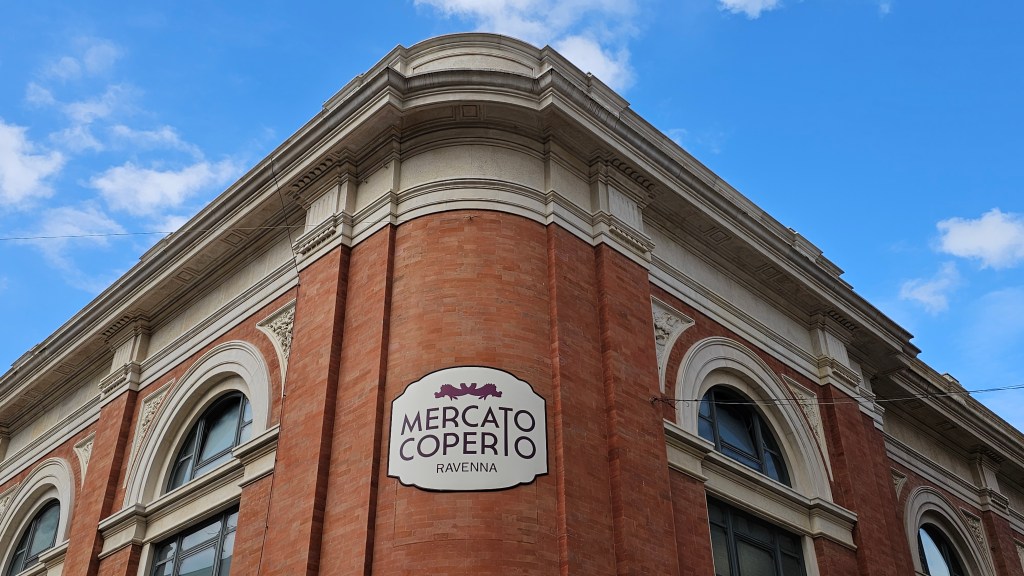
Mercato Coperto is a large indoor market where you can find produce and traditional dishes from the local region, for example, local cheeses, bakery items, fish and meat produce.

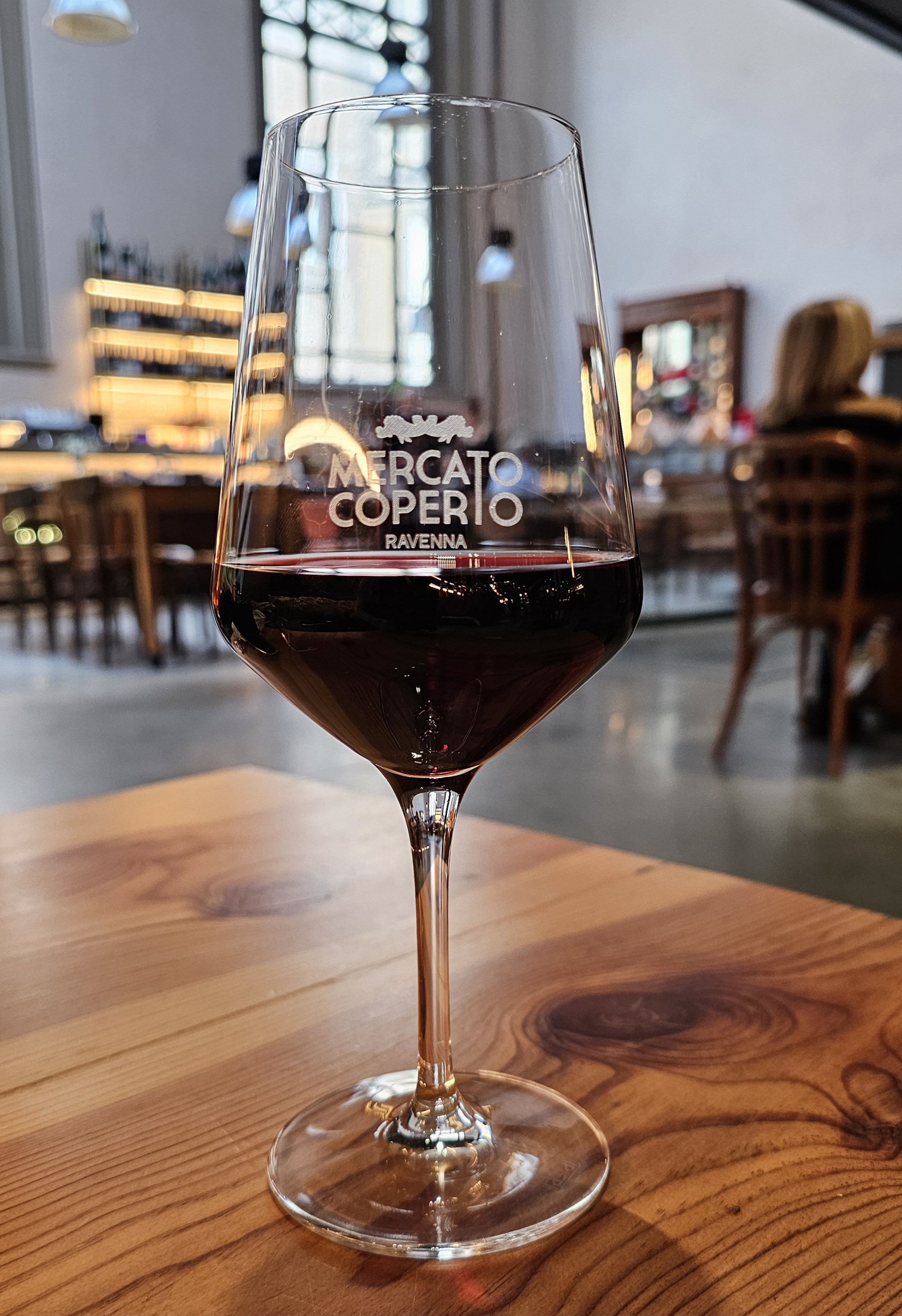
This has been the site of a covered market since the middle ages. Its most recent renovation was completed in 2020 and it is now a popular place for enjoying a tasty meal or snack in one of its quality restaurants or for purchasing local produce, as mentioned. Events take place regularly for example, music shows or food tasting sessions.
Summary
With its spectacular glittering mosaic art and centuries of history I highly recommend visiting Ravenna. For me, this was one of the real highlights of my overall trip.
 frombluetogreen.com
One comment