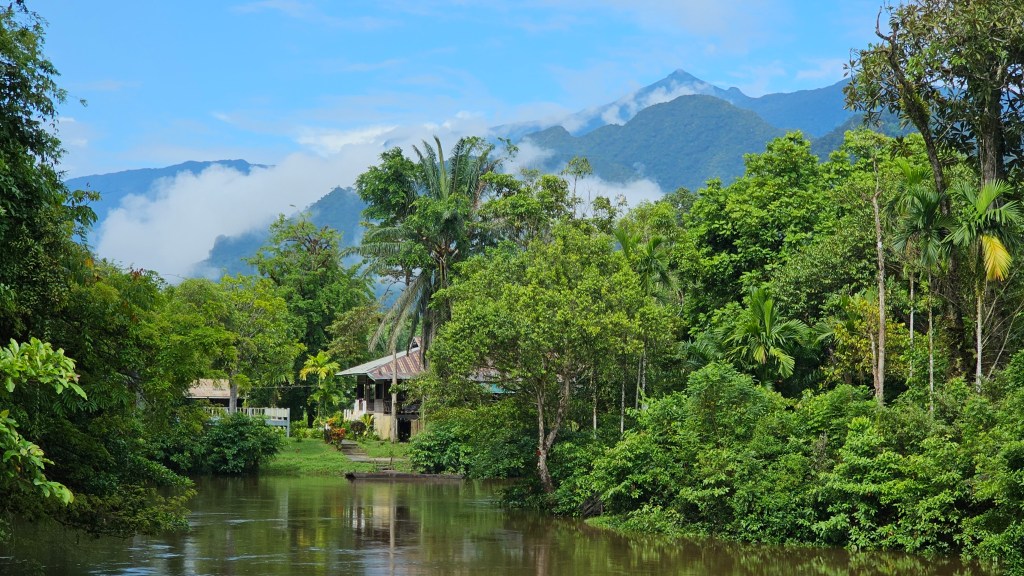
The next stage of our Borneo adventures was spent in Mulu National Park, which was established in the mid 1970’s.
Mulu is the largest national park of Sarawak and is famous for its limestone caves. People come here for the challenging climb to the summit of Mount Mulu, participate in a demanding 2 day trek to see the Pinnacles (spectacular 50 m tall jagged rocks) or to explore the caves and rainforest.
We hadn’t pre-booked anything but as soon as we arrived at our hotel we were given options of various tours available. We had just *2 days so we were looking for activities to give us a good overview of the flora and fauna and geology of the national park.
*We should have stayed for 2 nights but had a disruption to our plans – details at the end of the post…
The hotel supplied a free shuttle mini bus throughout the day for the 3 km to and from the Mulu National Park.
On arrival at the national park we registered with our passports, booked our tours and paid for everything by credit card. The total for 3 x guided tours for both of us was just over £50.
Day 1: Lang Cave and Deer Cave
The first tour was at 14.30 pm to Deer and Lang Caves. As part of a small group of about 12 we were led by Shuki into the rainforest.
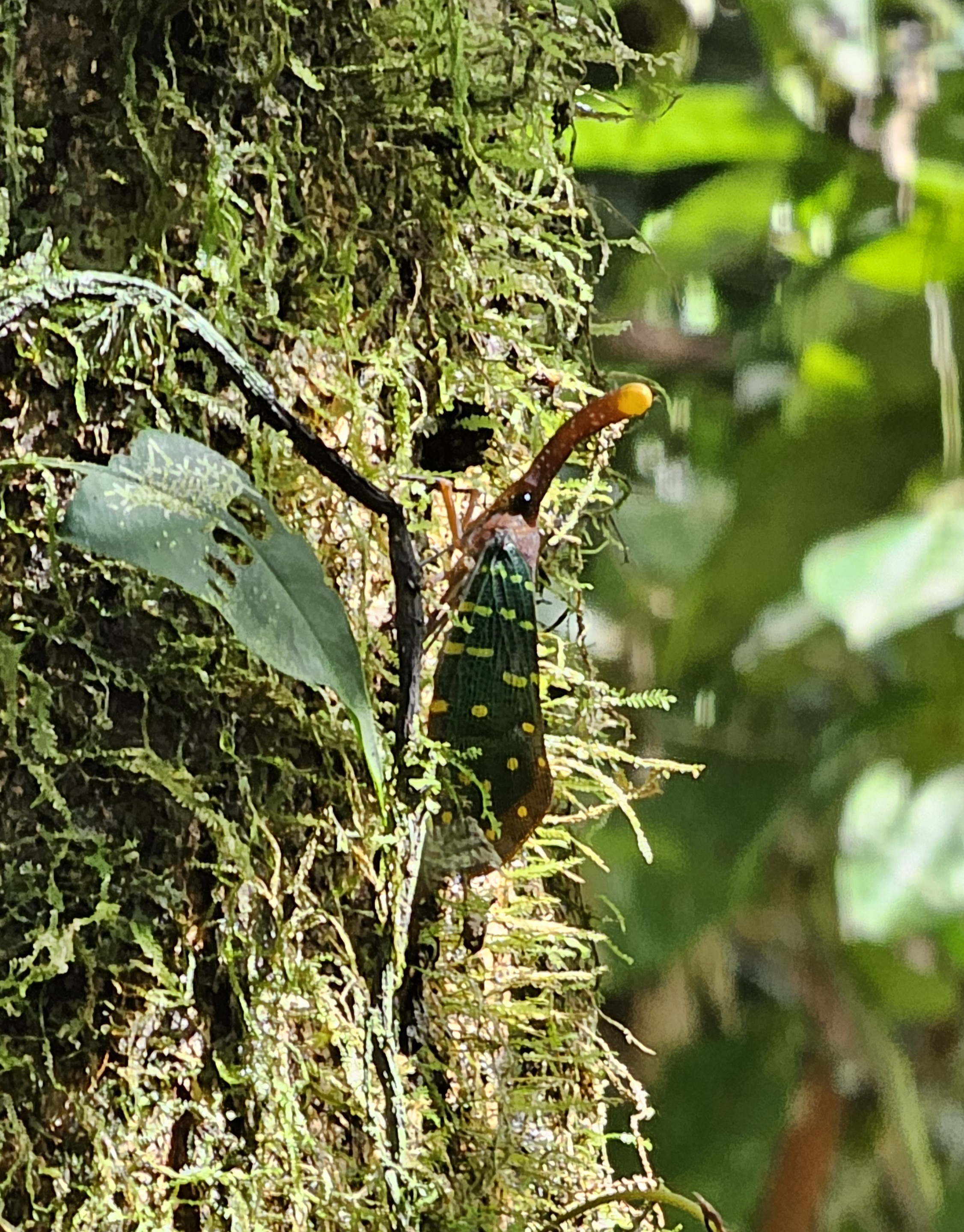
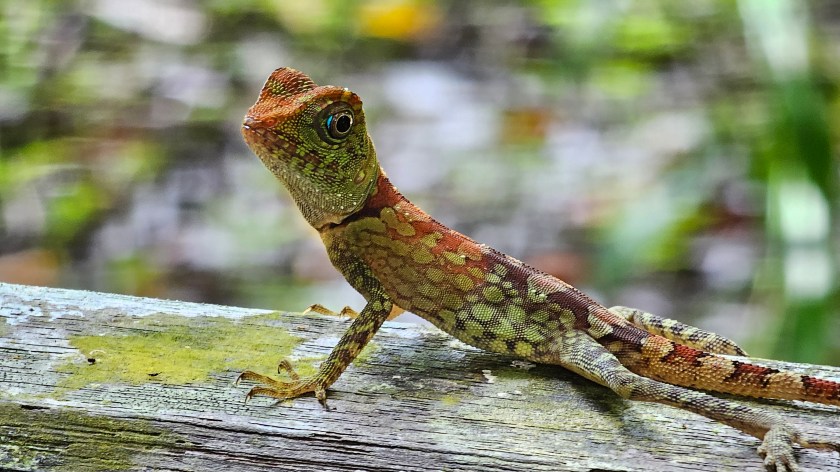
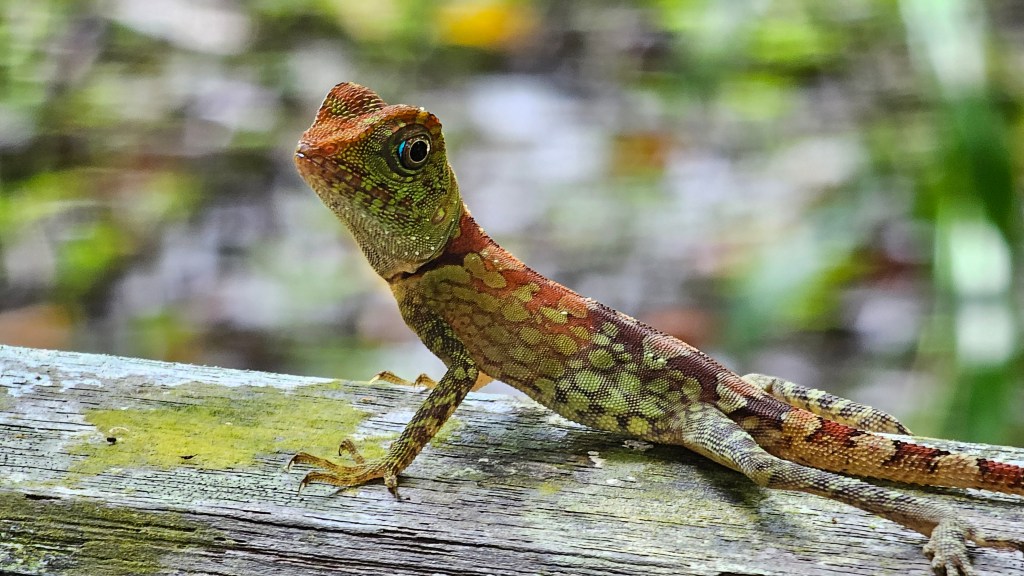
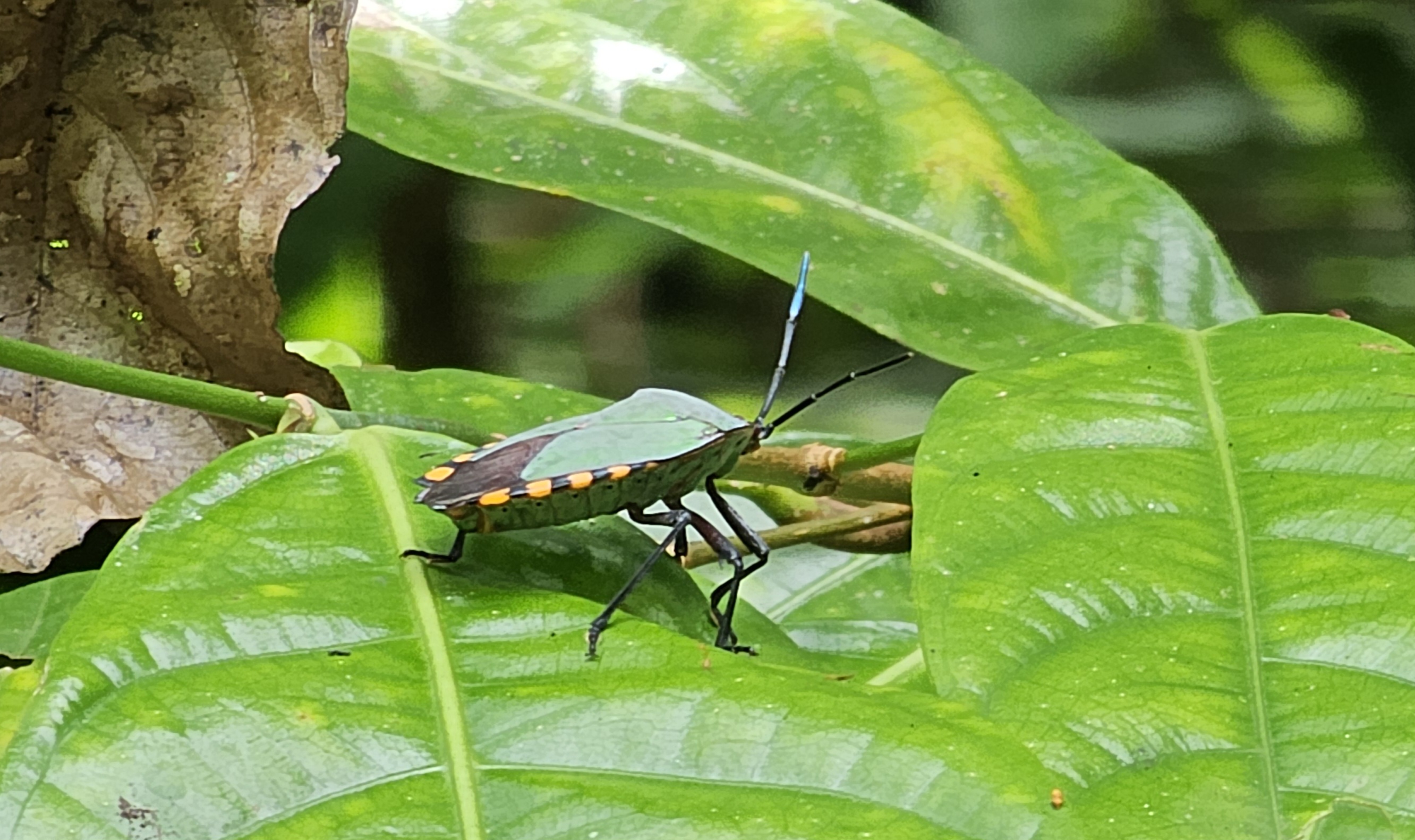
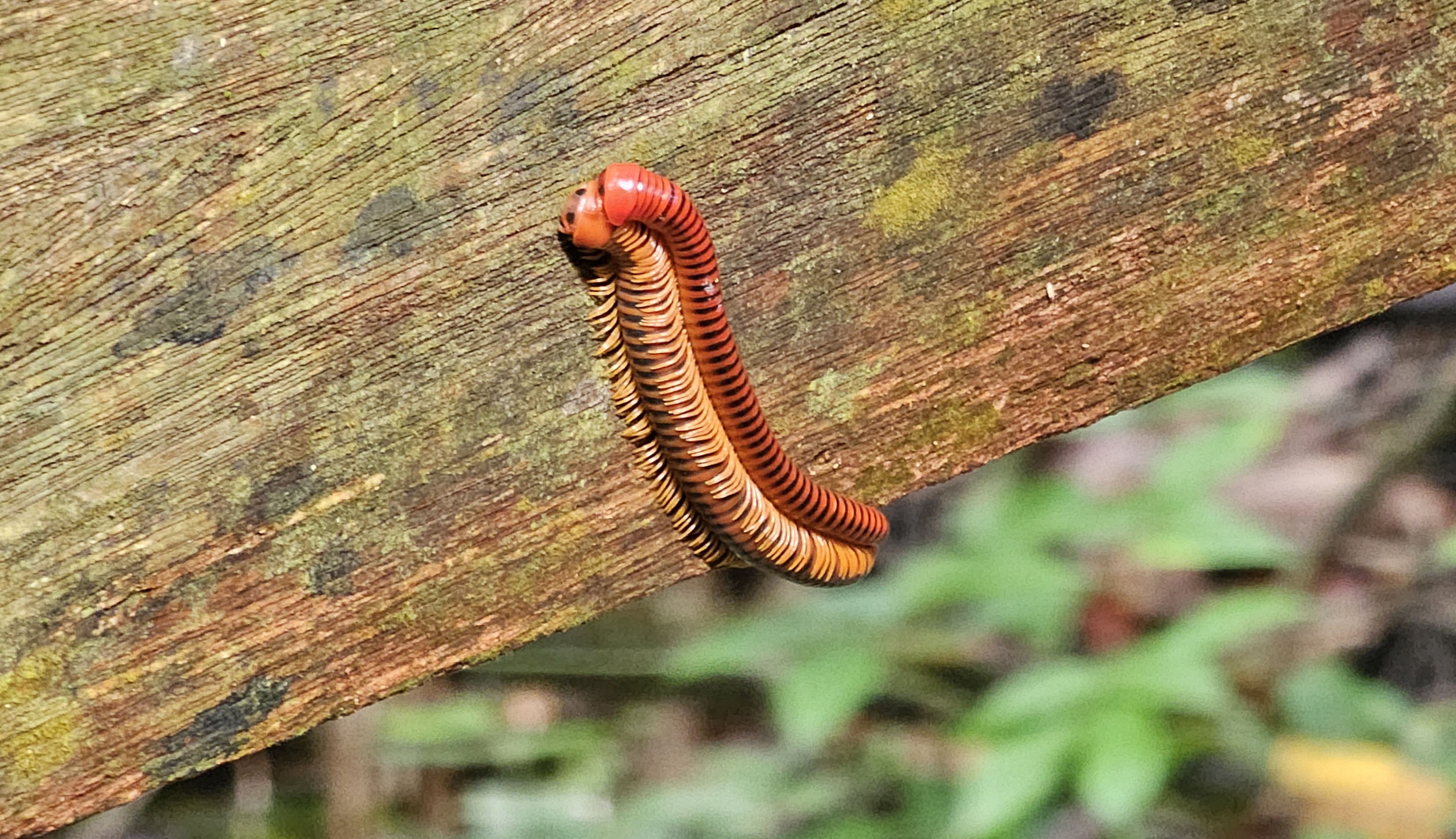
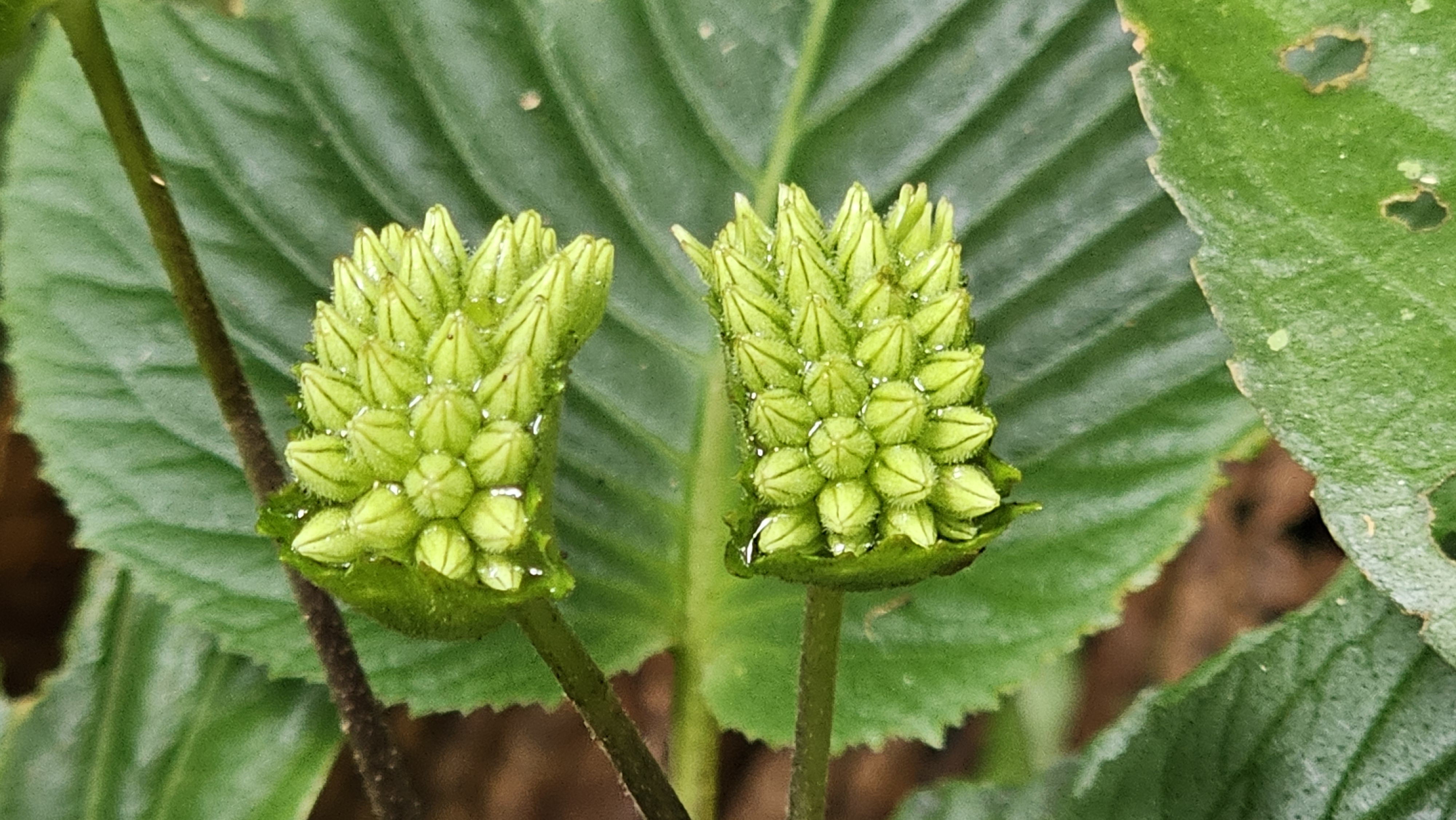
Shuki was born in a nearby village, was very knowledgeable and before long he was pointing out a range of plants, insects and small animals.
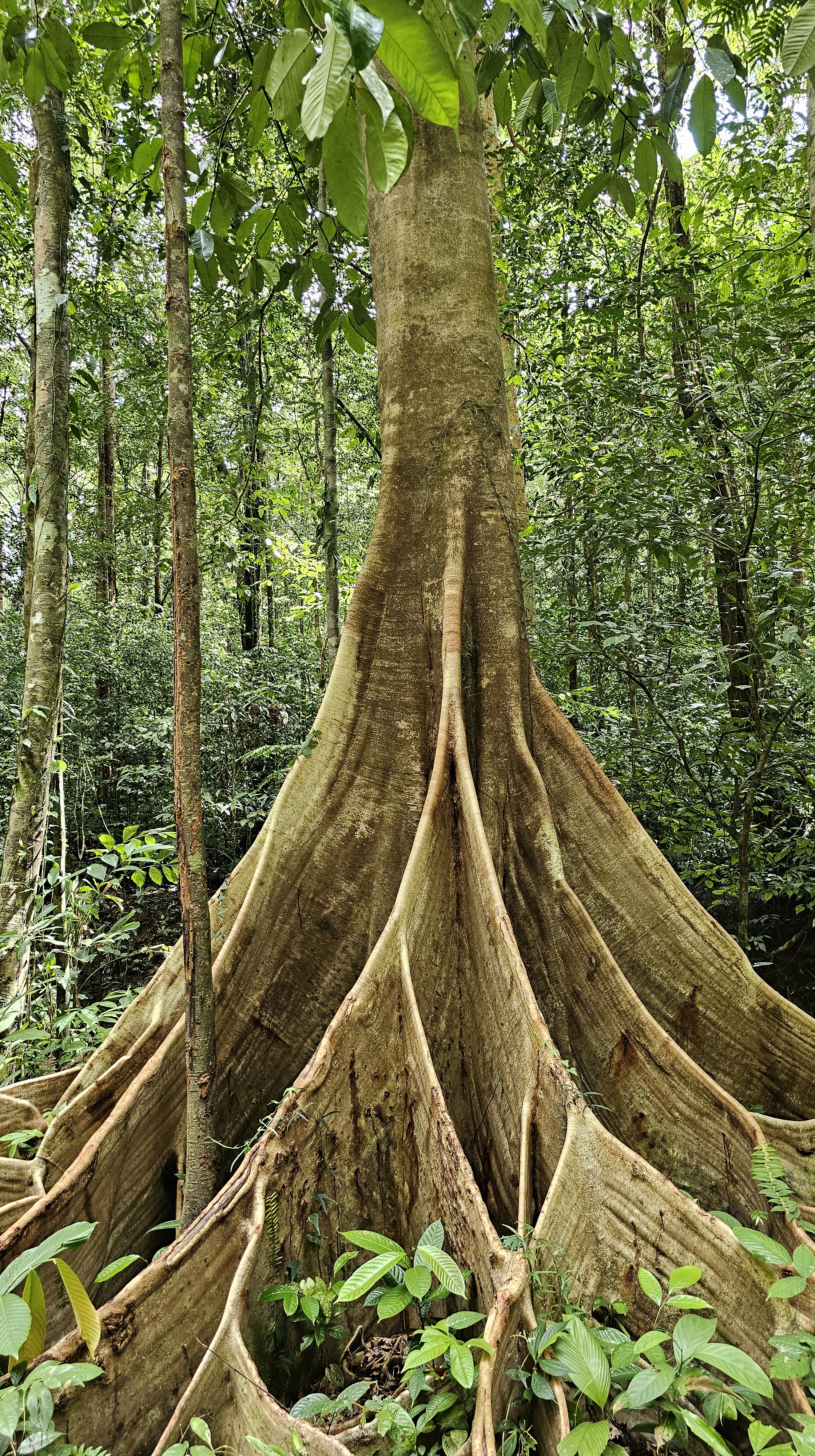
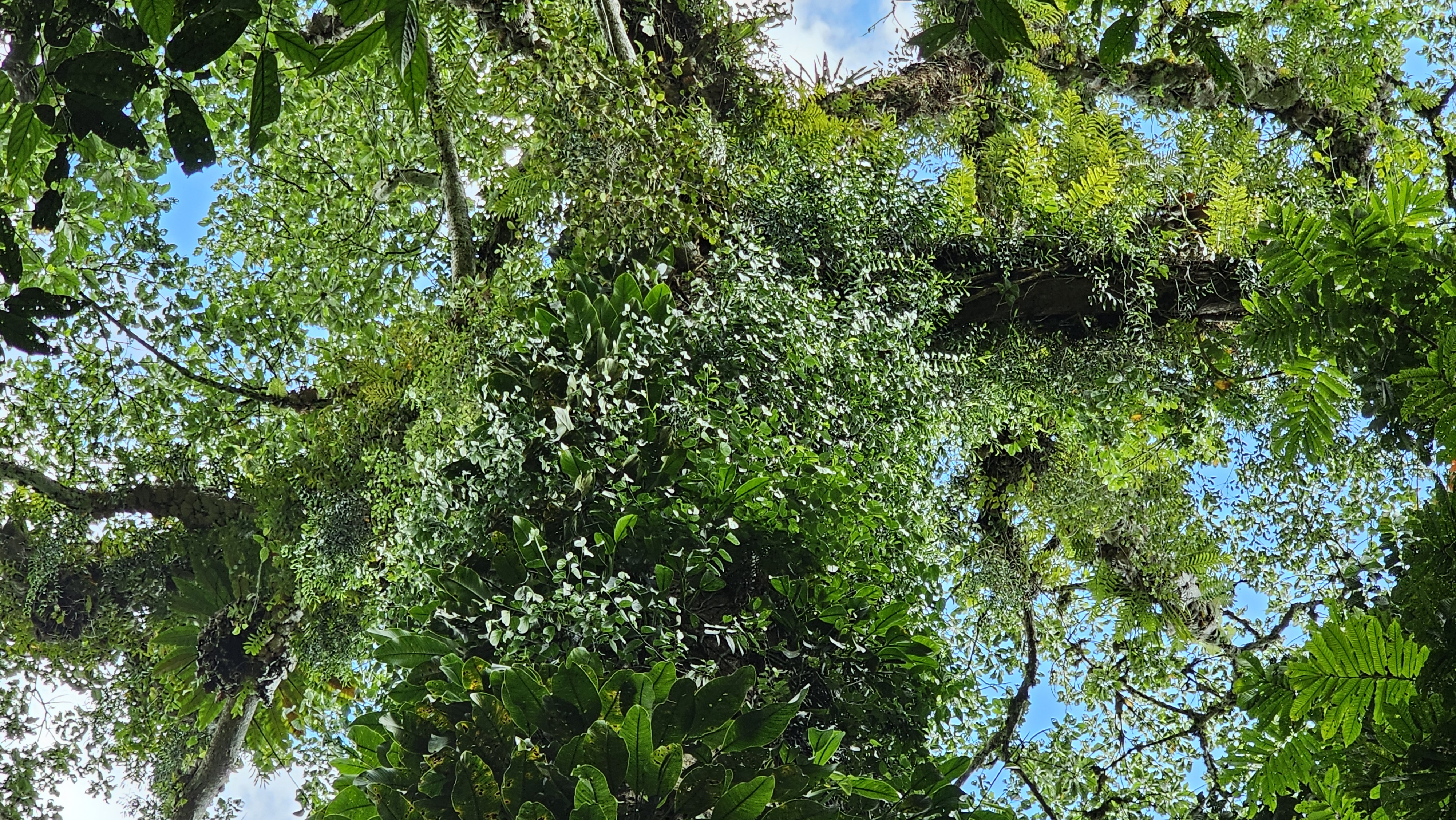
The entire distance for the walk was 9 km and almost all of it was along flat and well maintained wooden boardwalks with the occasional cleared flat path. After the bumpy terrain of our self guided treks in the Santubong peninsula near Kuching, this felt like a doddle!
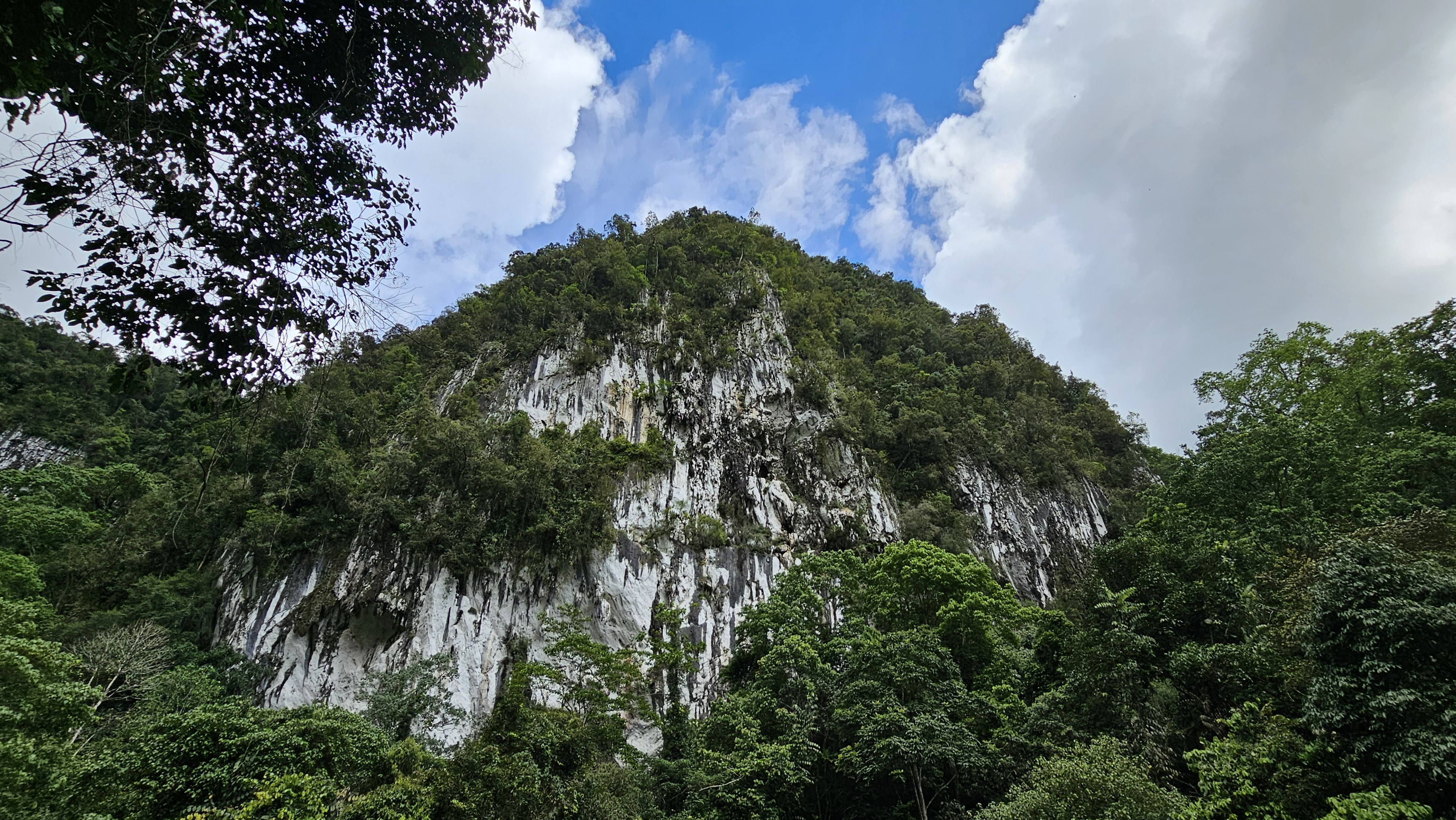
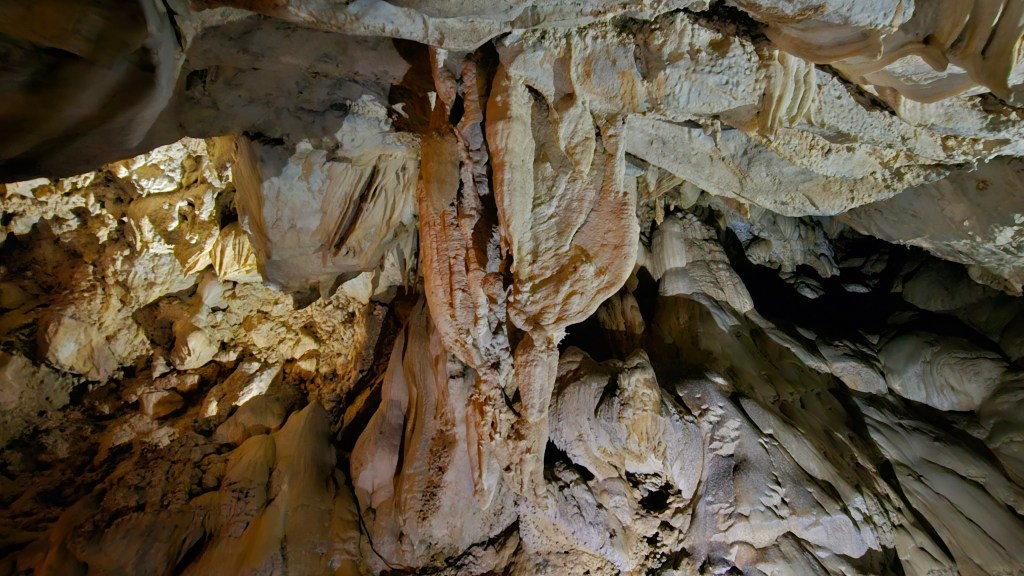
After an hour or so of rainforest trekking we arrived at Lang Cave where Shuki explained the history of the cave and the formation of its limestone stalagmites and stalagtites.
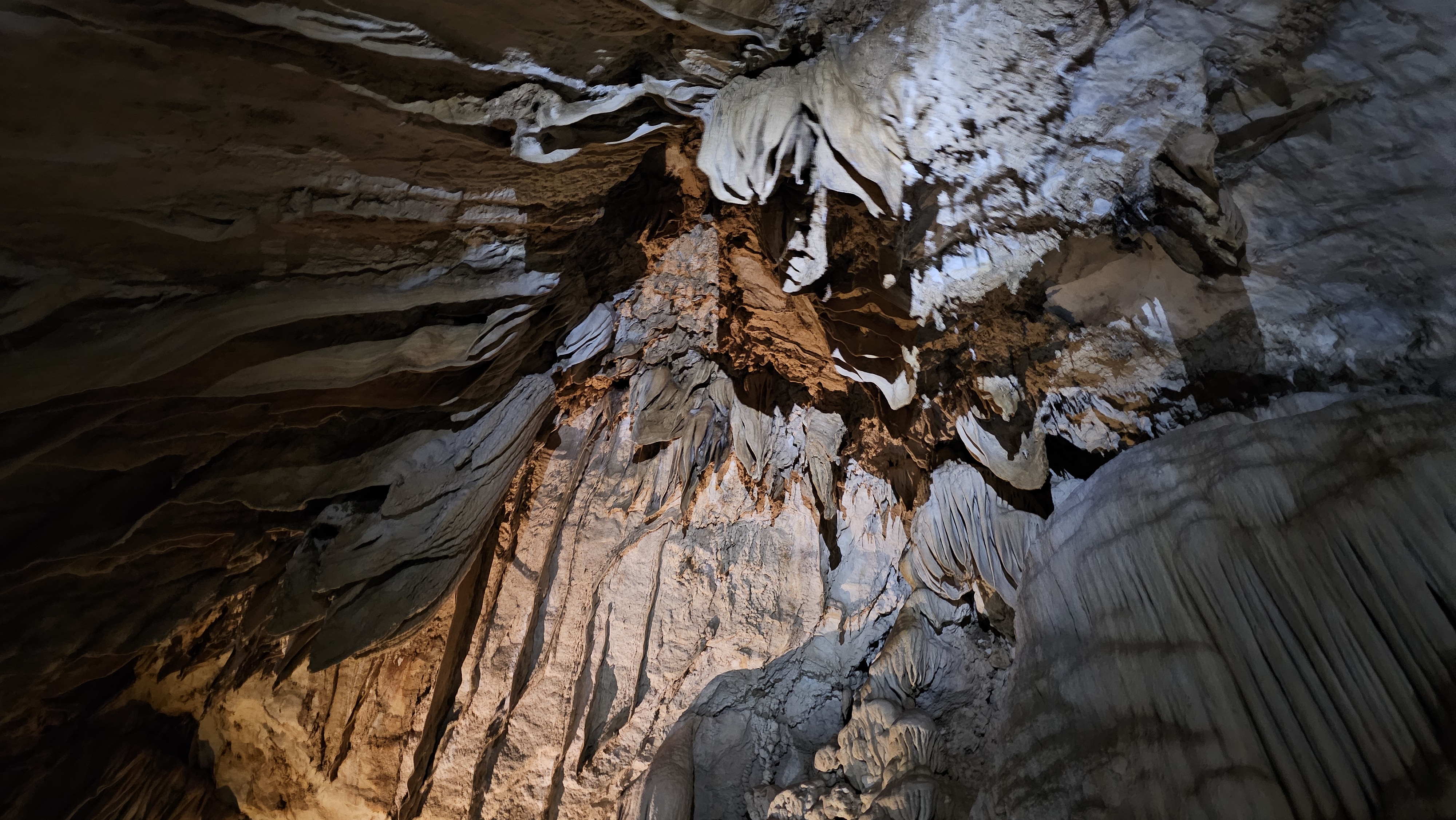
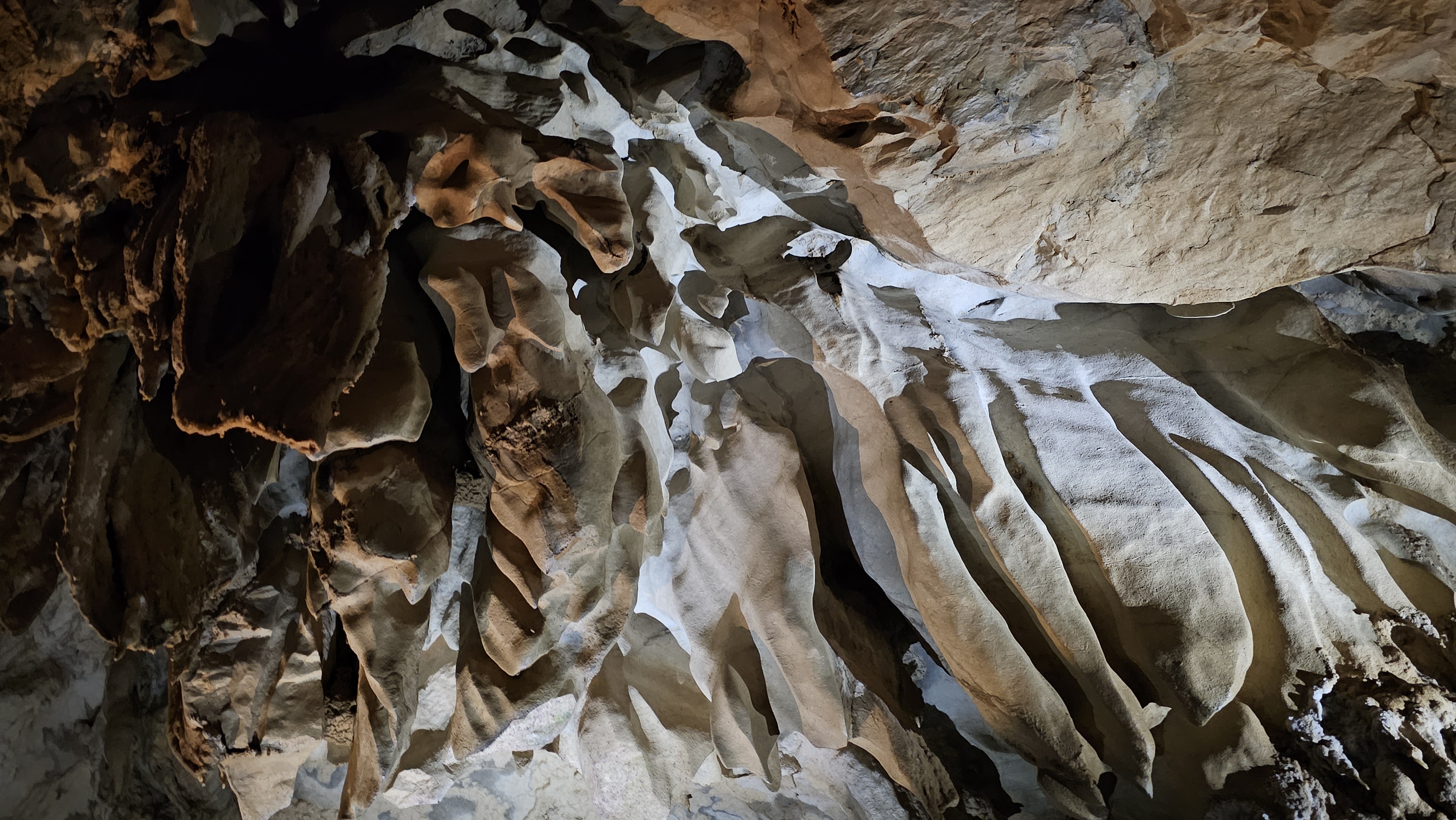
In the heart of the rainforest it rains a lot! As we approached Lang Cave there had been the beginnings of a tropical downpour. Thankfully Lang Cave and Deer Caves are close to each other as by the time we left Lang Cave this had turned into a thunderstorm.
This section just outside Deer Cave is known as the ‘Garden of Eden’ for its lush tropical green foliage.
Shuki led us around Deer Cave explaining the cave used to be popular with deer who used to come in and shelter. Deer Cave is huge and is over 2 km in length. It is also home to up to 3 million bats.
We could see dark patches on the roof of the cave which were the clusters of thousands of bats which were also quite noisy.
By the time we left Deer Cave the thunder had stopped and blue sky was starting to appear and we were just in time to see the bats.
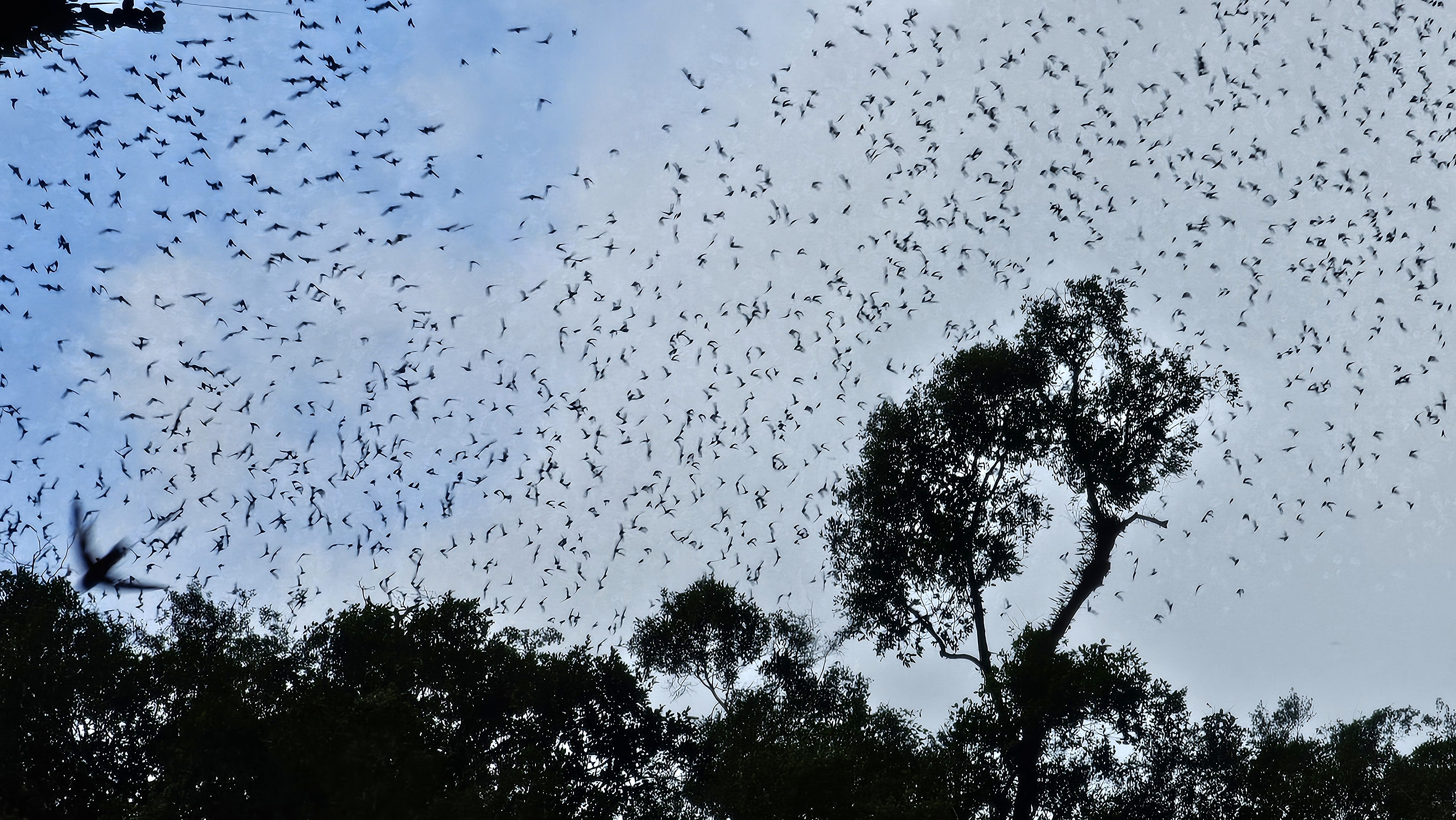
Every evening between 4 – 6 pm around 2 – 4 million bats leave Deer Cave in search of mosquitos.
Bats came out from the cave randomly in groups; some of them formed a spiral which is done to deter predators.
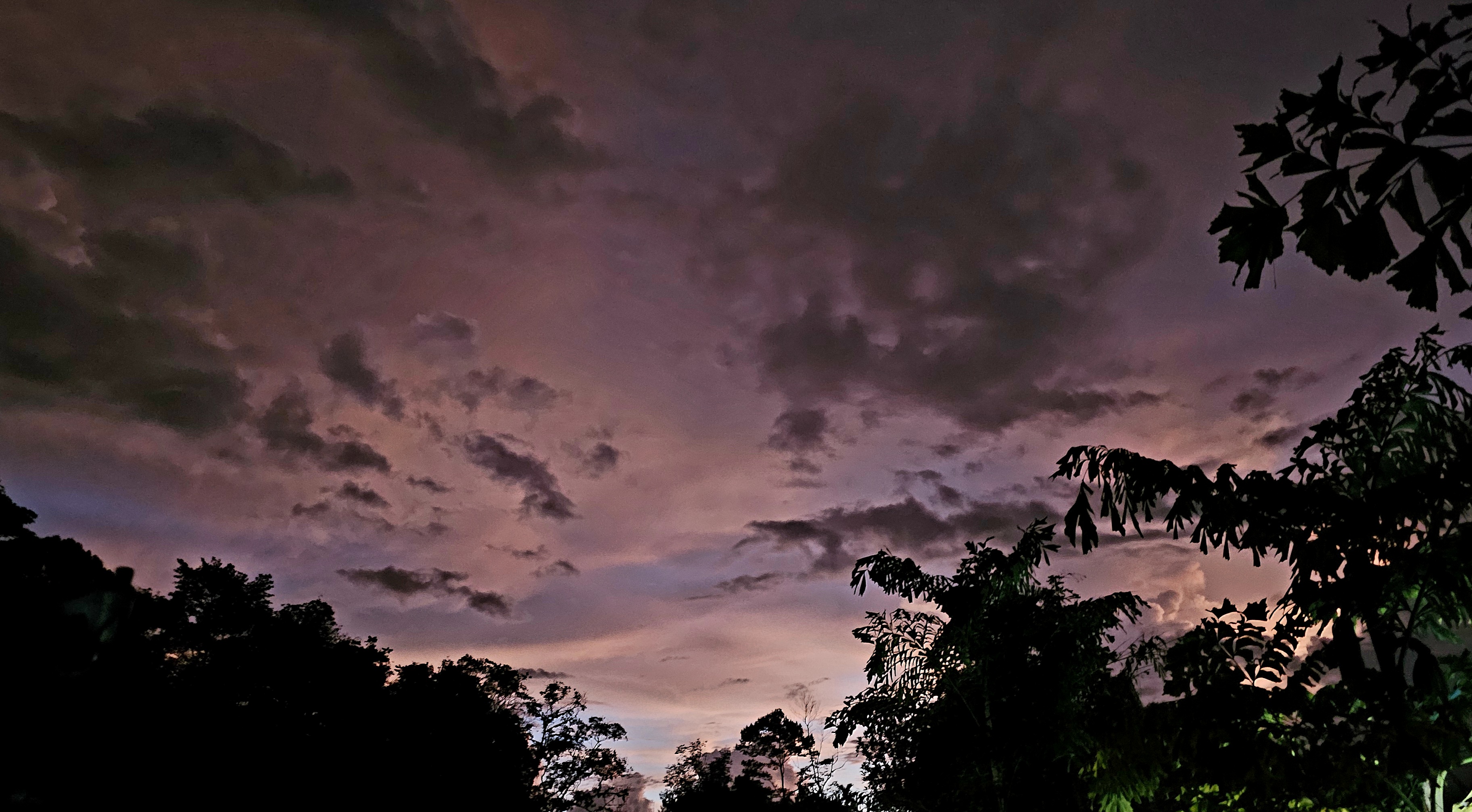
We returned for a few km back along the boardwalk and to the park office at around 7 pm by which time it was dark. Our shuttlebus was waiting to take us back to the hotel.
Day 2: Cave of the Winds and Clearwater Cave
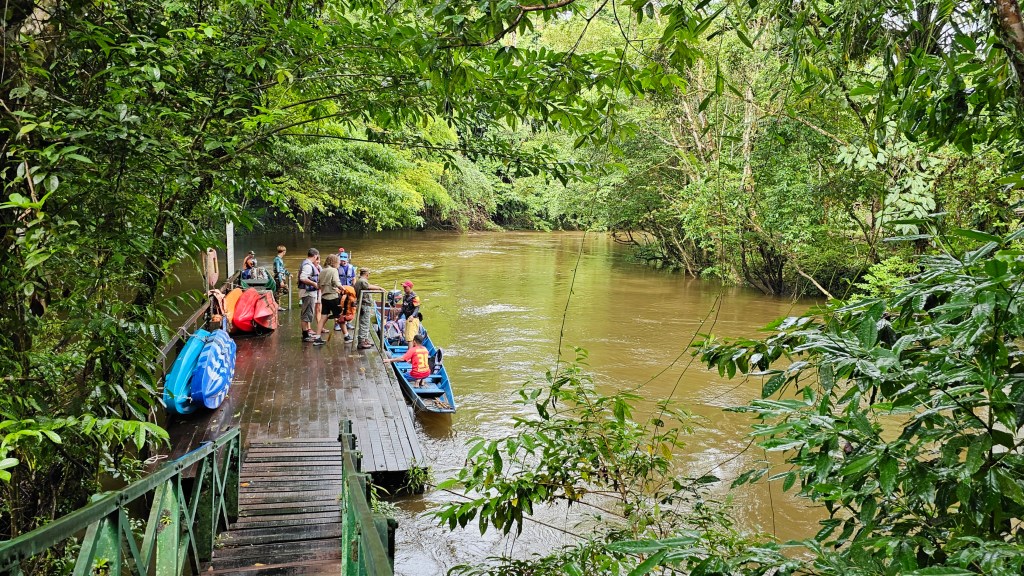
We met with another group and at 9.15 am we boarded small motorised boats to speed us up the river towards the Cave of the Winds and Clearwater Cave. We were pleased to have Shuki again as our guide for this tour.
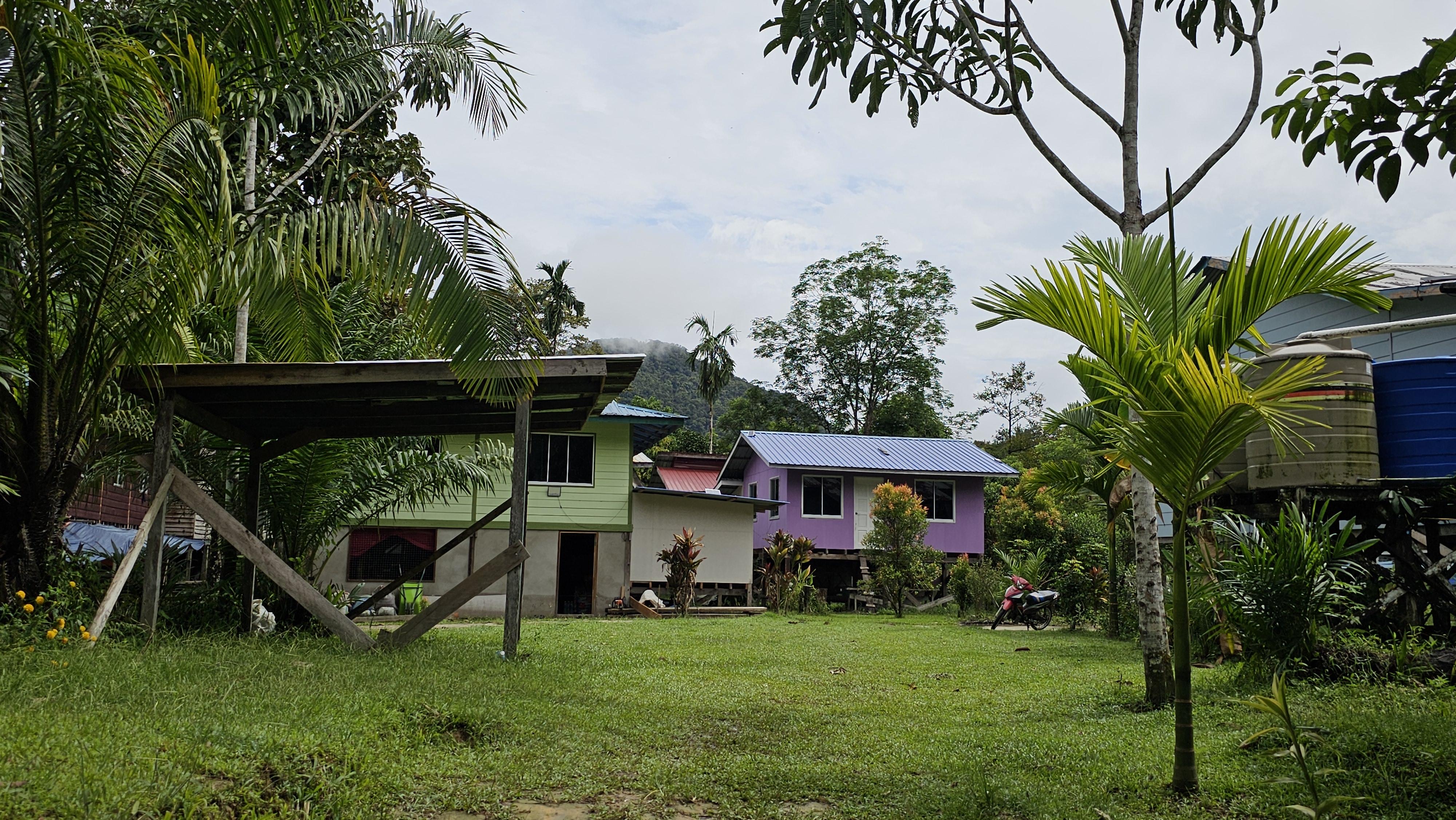
After about 10 minutes we stopped at a village called Batu Bungan where we were shown to a handicraft market. People from the Penan community have lived a traditional life in Batu Bungan for generations however creation of the Mulu National Park provided opportunities and the concept of labour and a cash society.
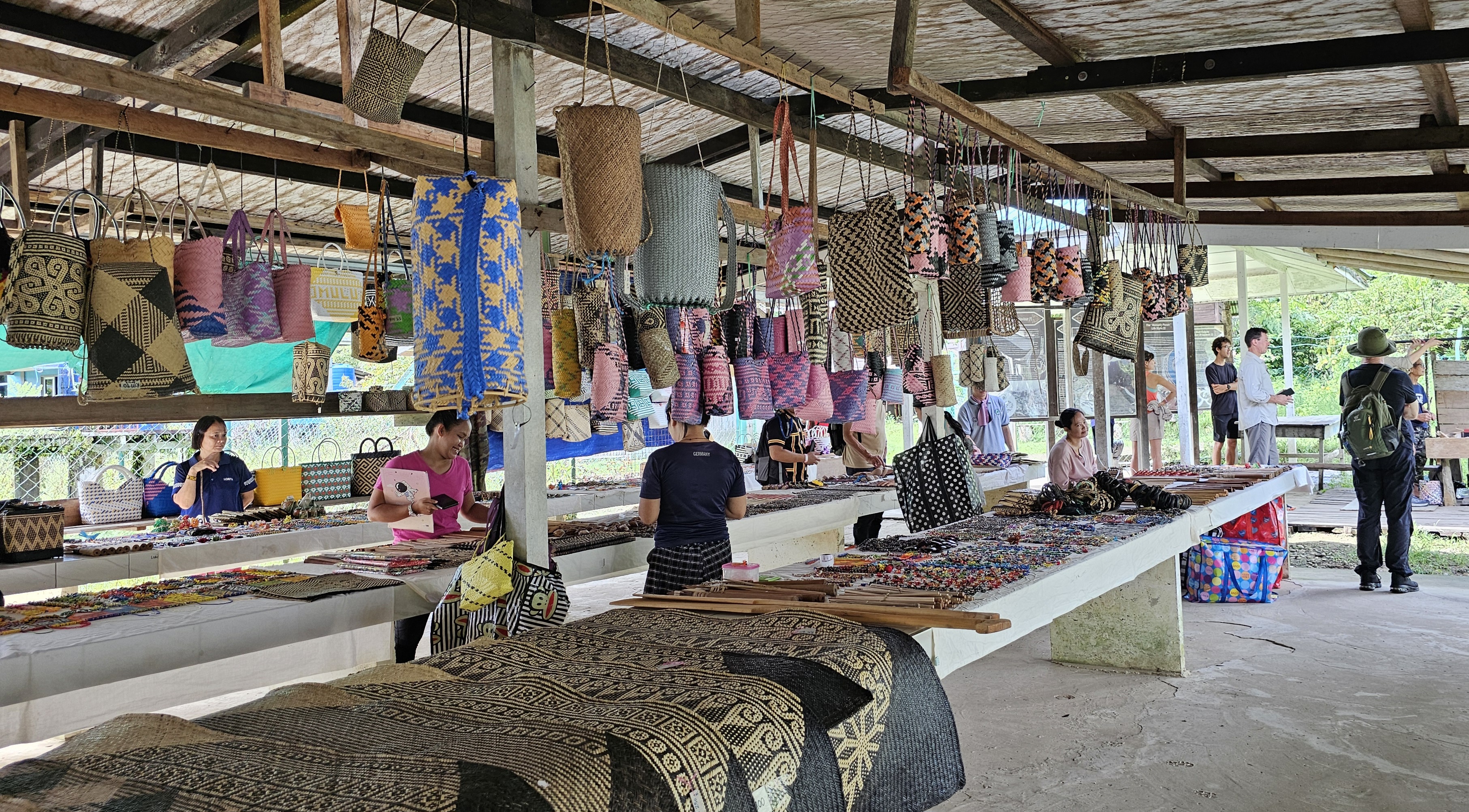
Tourism and government funded projects have helped to provide a school and a health care centre with promises of a better future for the children of the community. Many villagers are now employed locally, including our guide Shuki who grew up there.
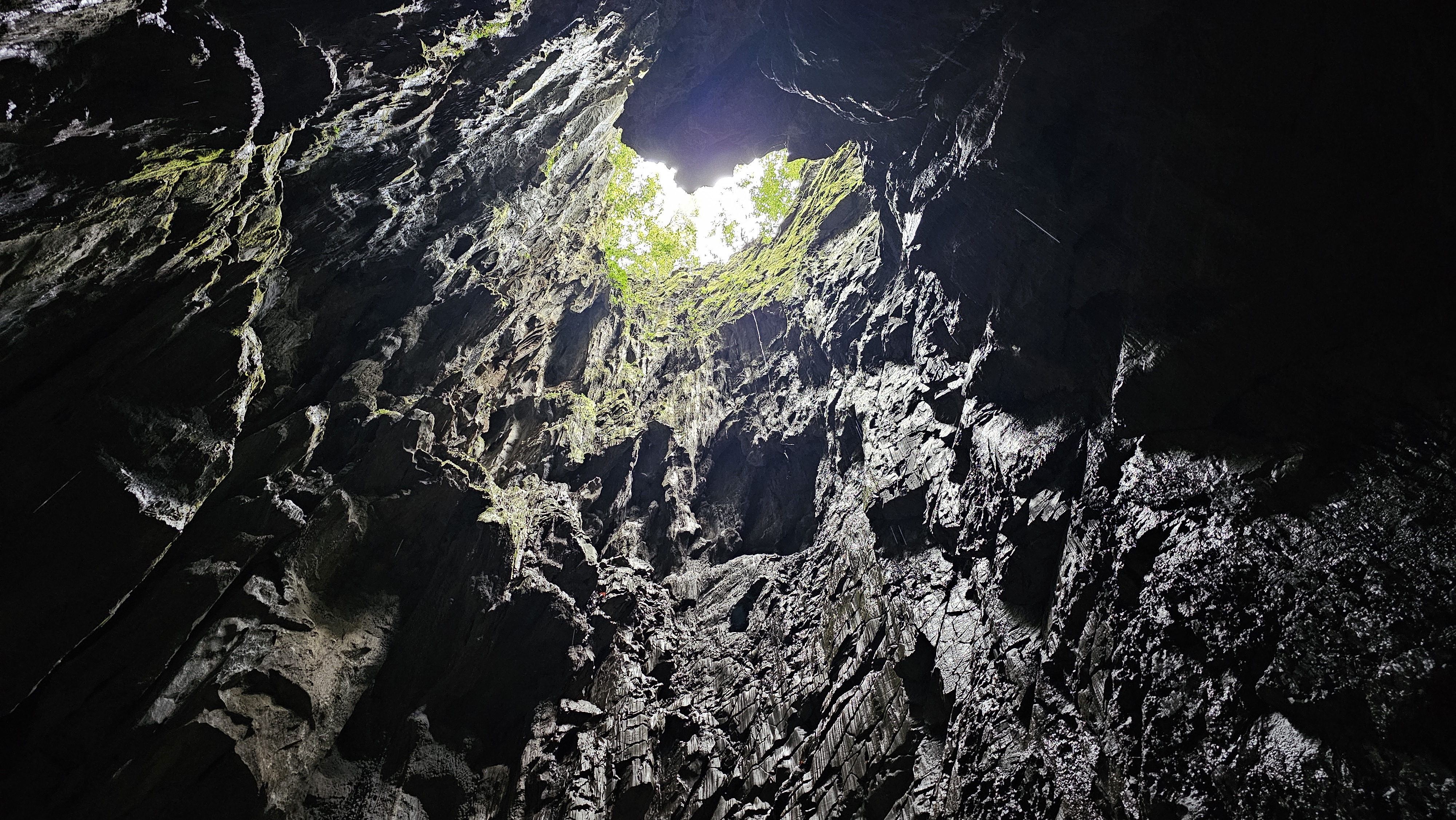
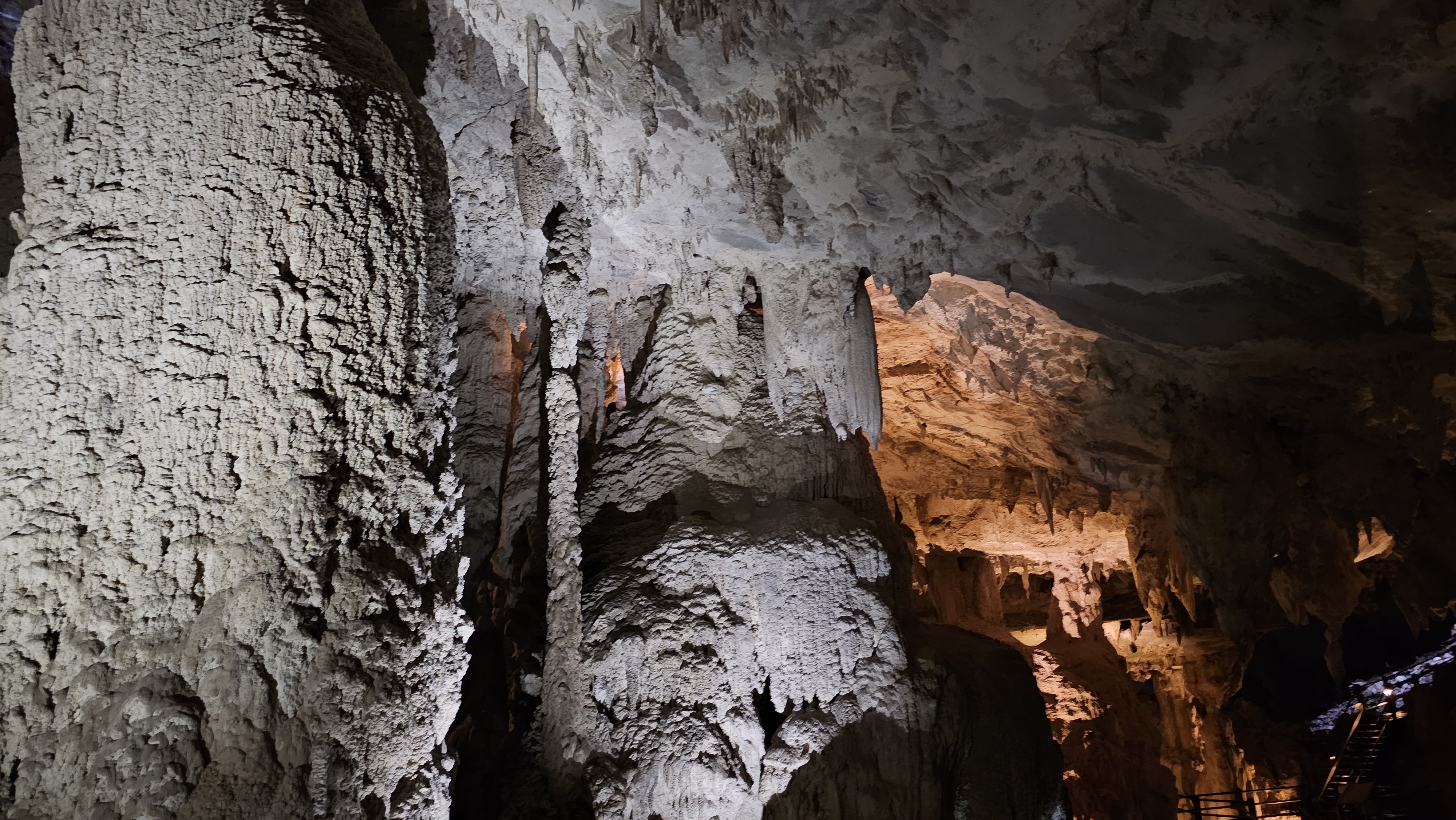
We re-boarded the boats and set off again to the Cave of the Winds, so called due to a wind which blows through. We had to climb up quite a few wooden steps to reach the cave opening.
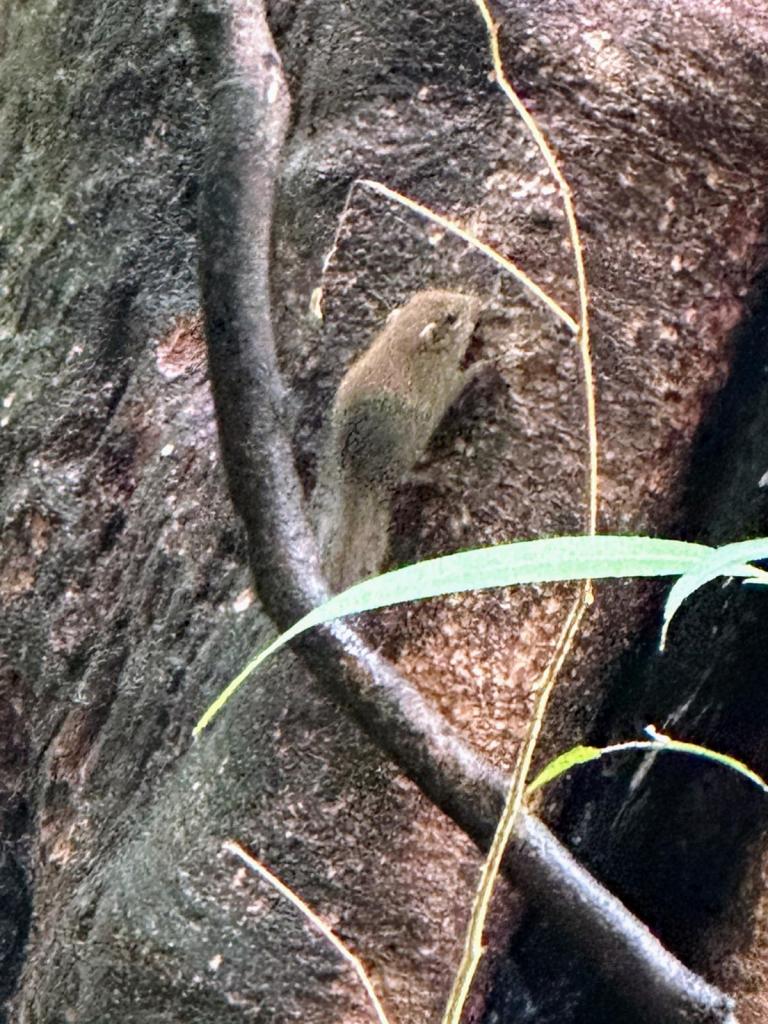
Chris captured a photo of a pigmy squirrel as we walked down the steps just outside the Cave of the Winds. These tiny squirrels measure up to 7.5 cm in length with a tail of just 5 cm.
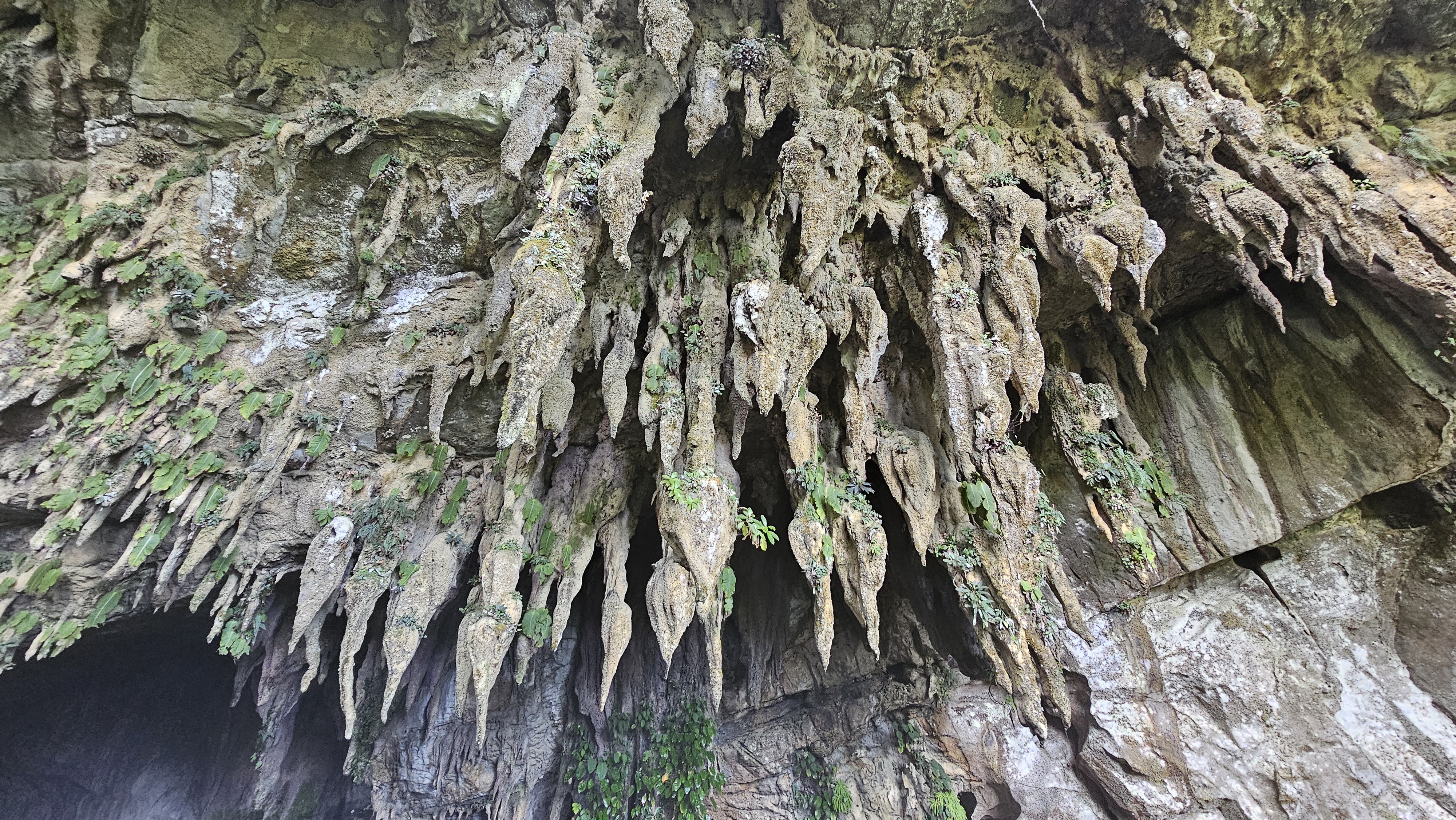
Following another short boat ride we arrived at Clearwater Cave where we had even more steps to climb!
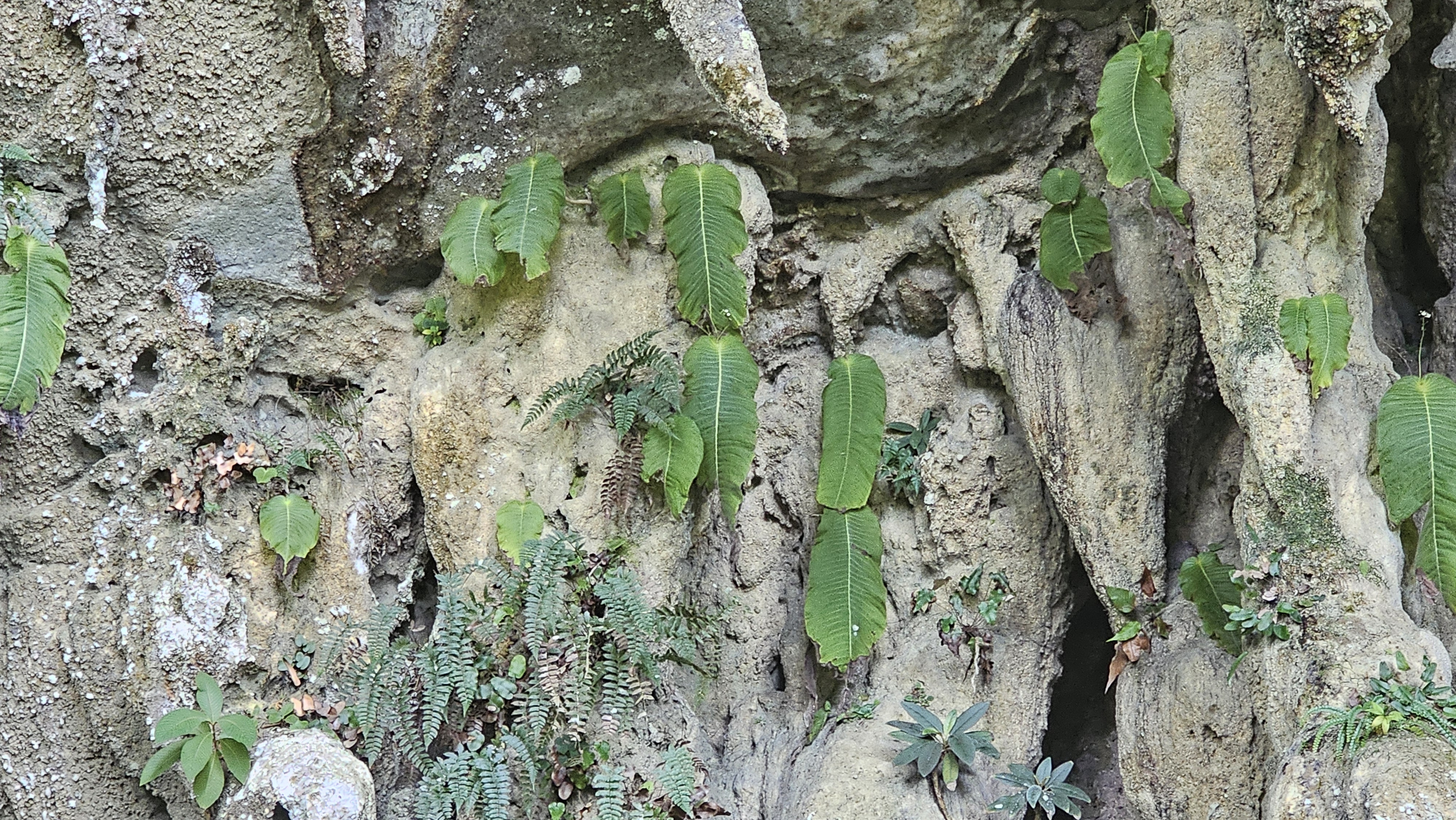
Shuki explained that the ‘one leaf plant’ is endemic not just to Borneo but to Mulu.
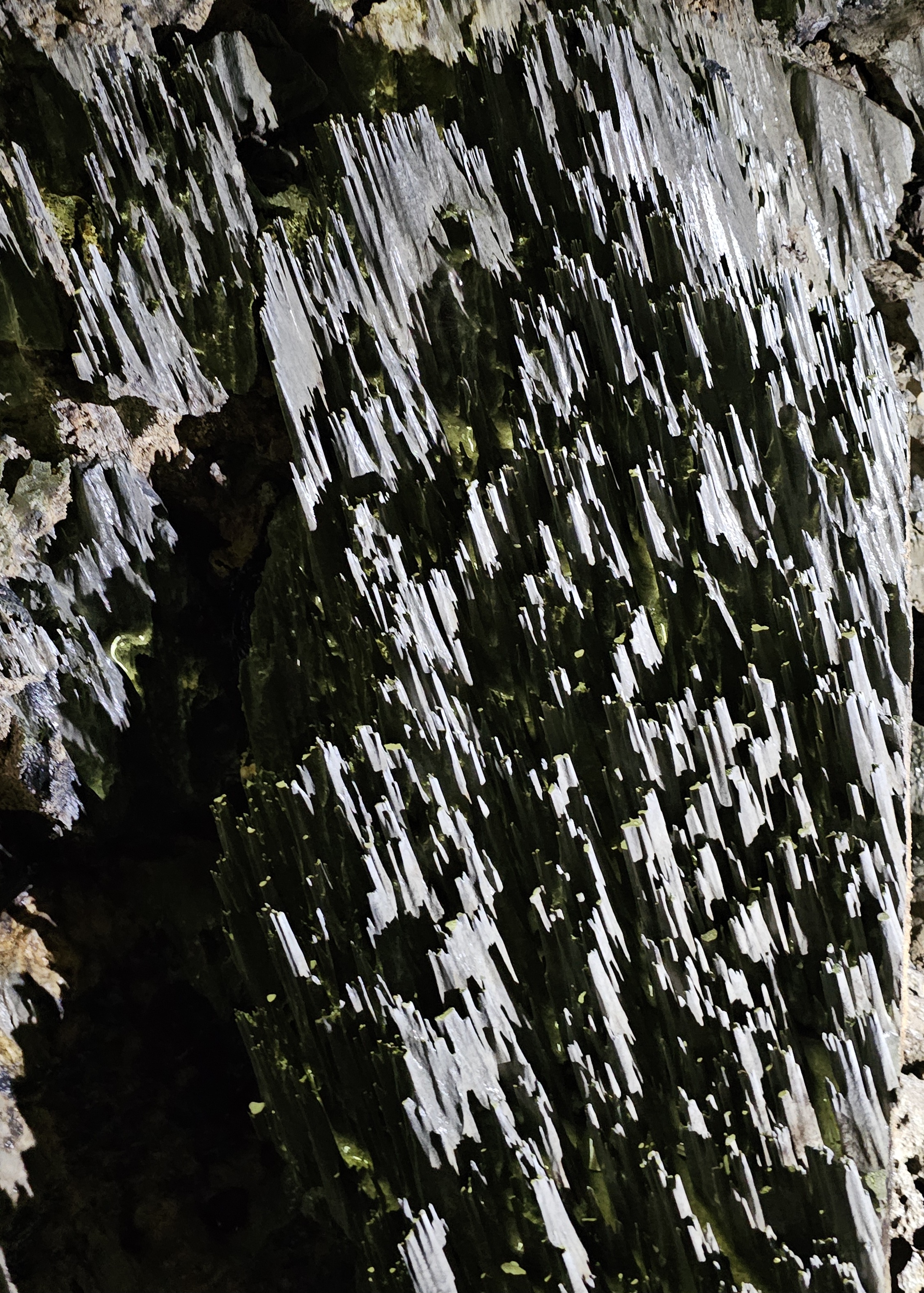
At 107 km, Clearwater Cave is the longest cave in Asia. It is named after the river which runs through it.
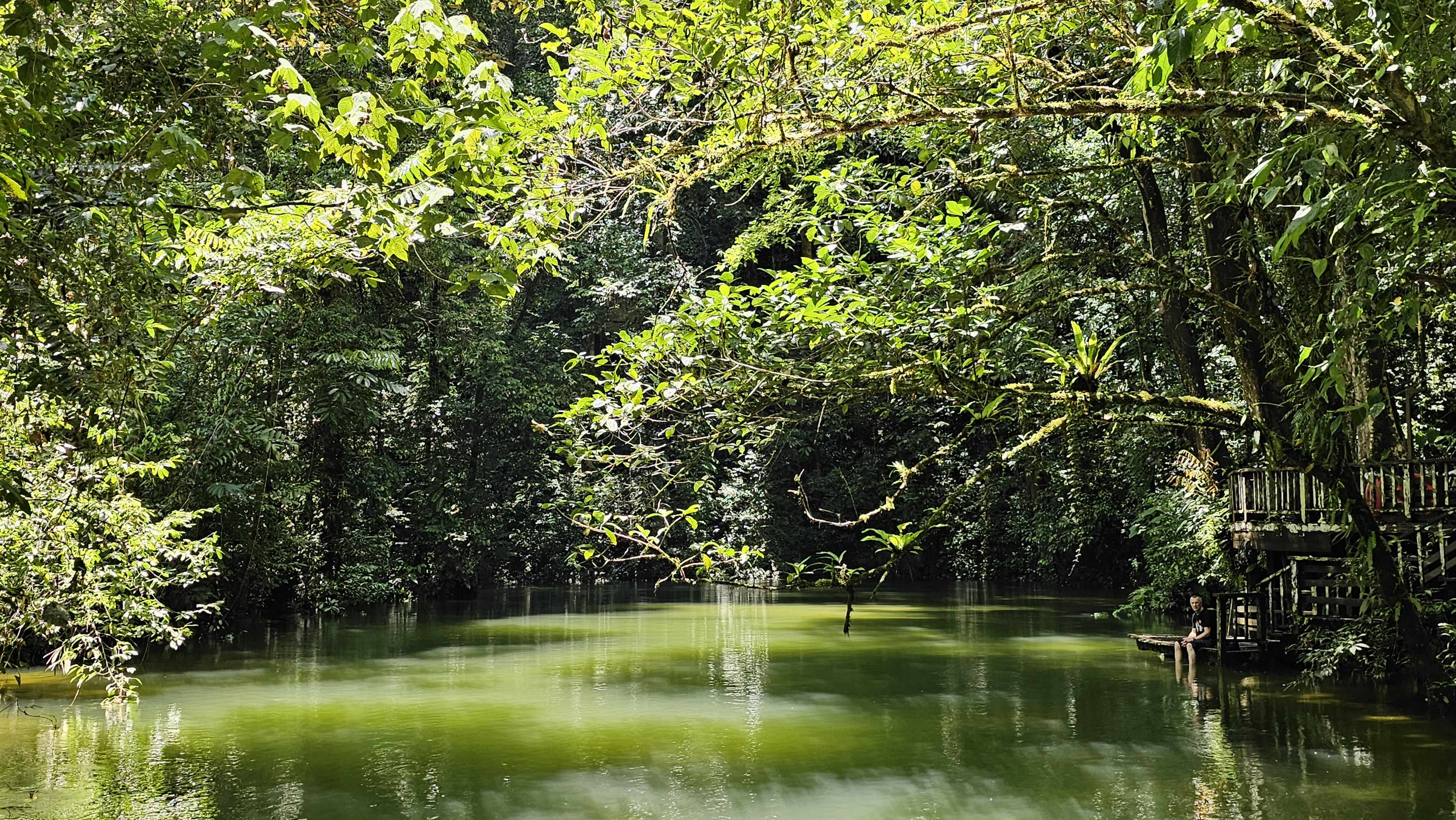
Just outside Clearwater Cave is a picturesque pond and if you wish to you can have a dip in this cool and refreshing water.
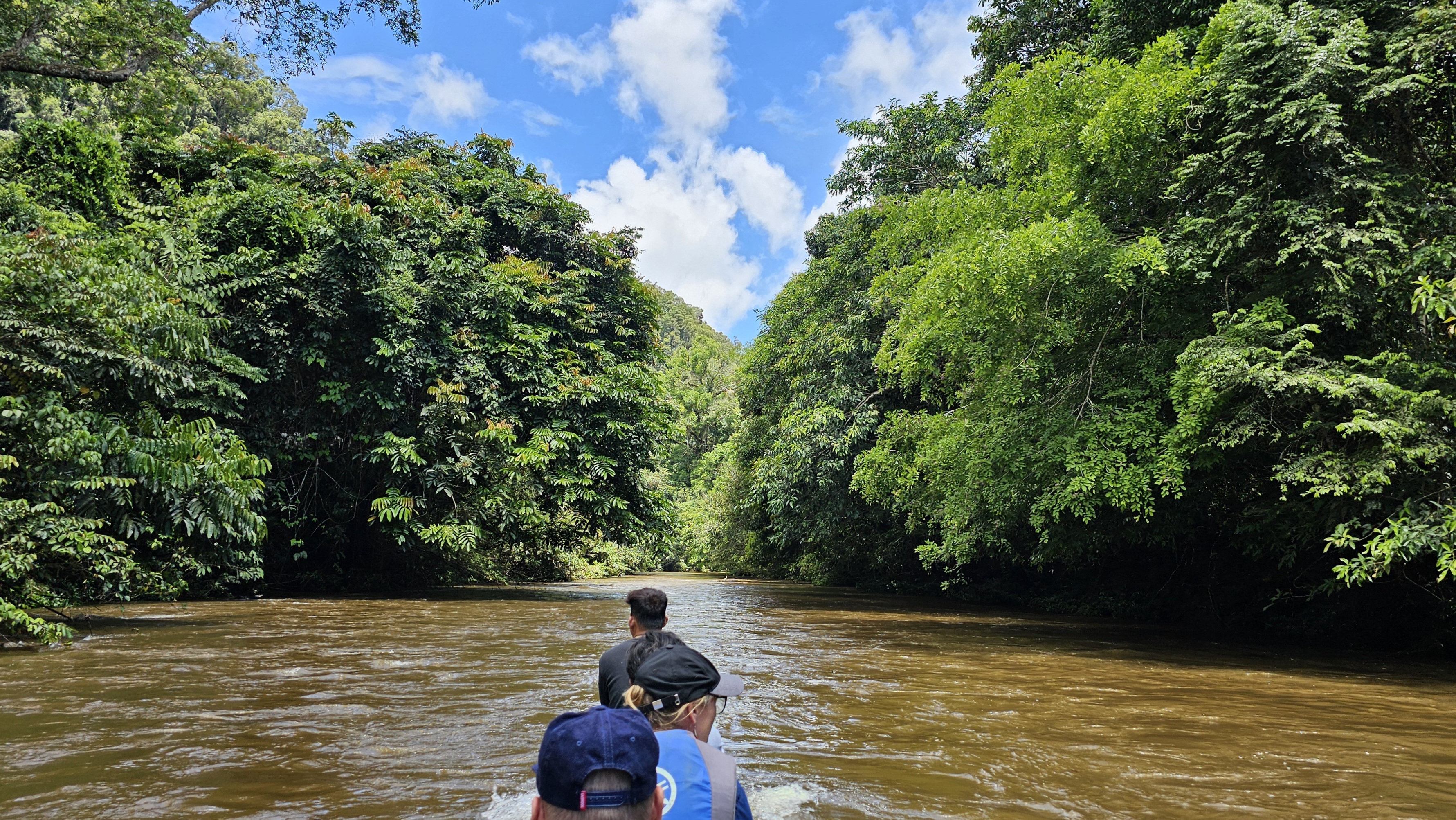
At 12:45 we headed back along the river to the national park HQ building.
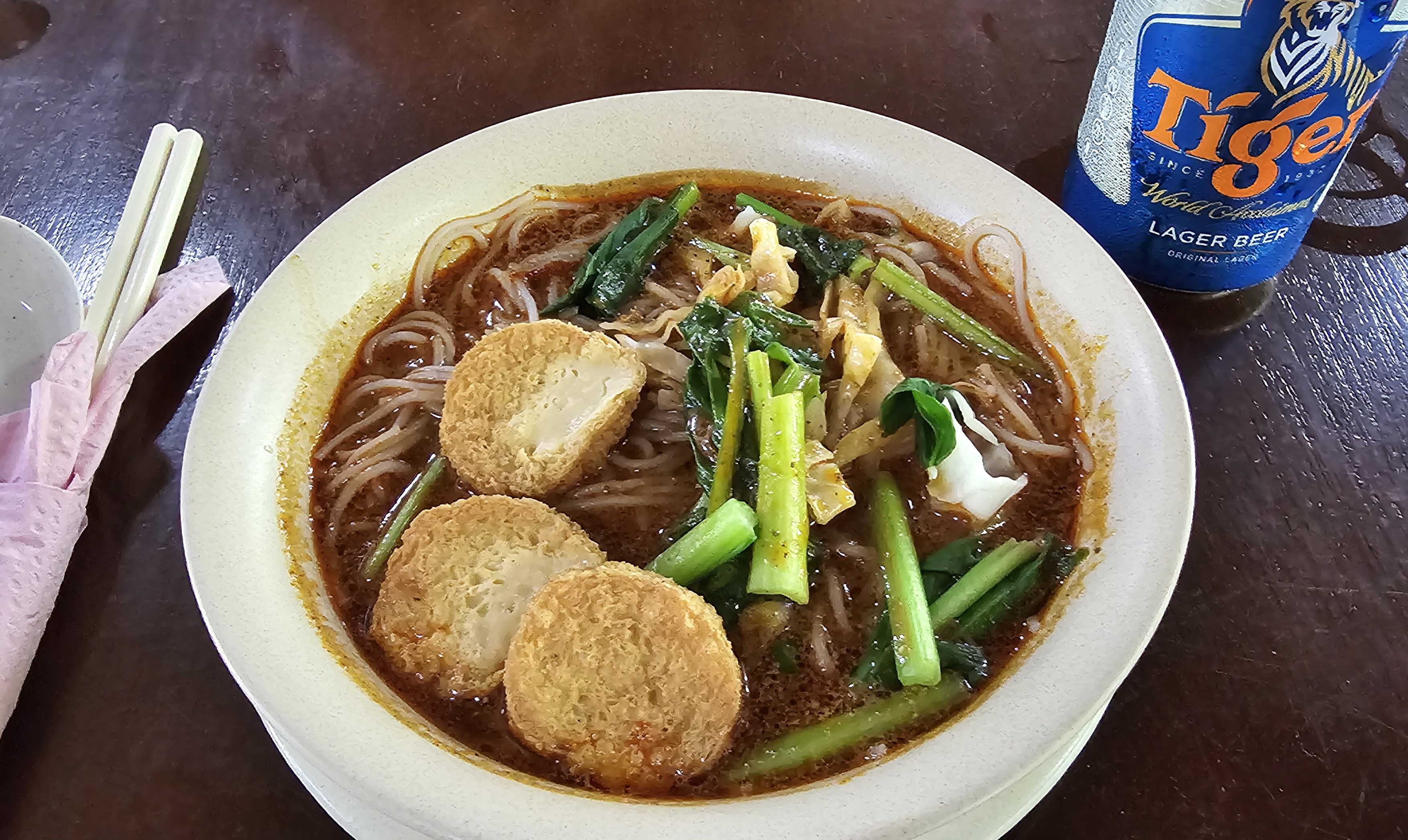
We arrived back at around 1 pm and had another tasty lunch in the national park cafe. Their lunches which are either local or international dishes are delicious and recommended. For example we had ‘Mulu laksa spicy coconut broth with tofu’ which was tasty.
Laksa originates from Kuching and is a staple dish of Malaysia with many variations. It is popular in restaurants as well as at hawker stalls.
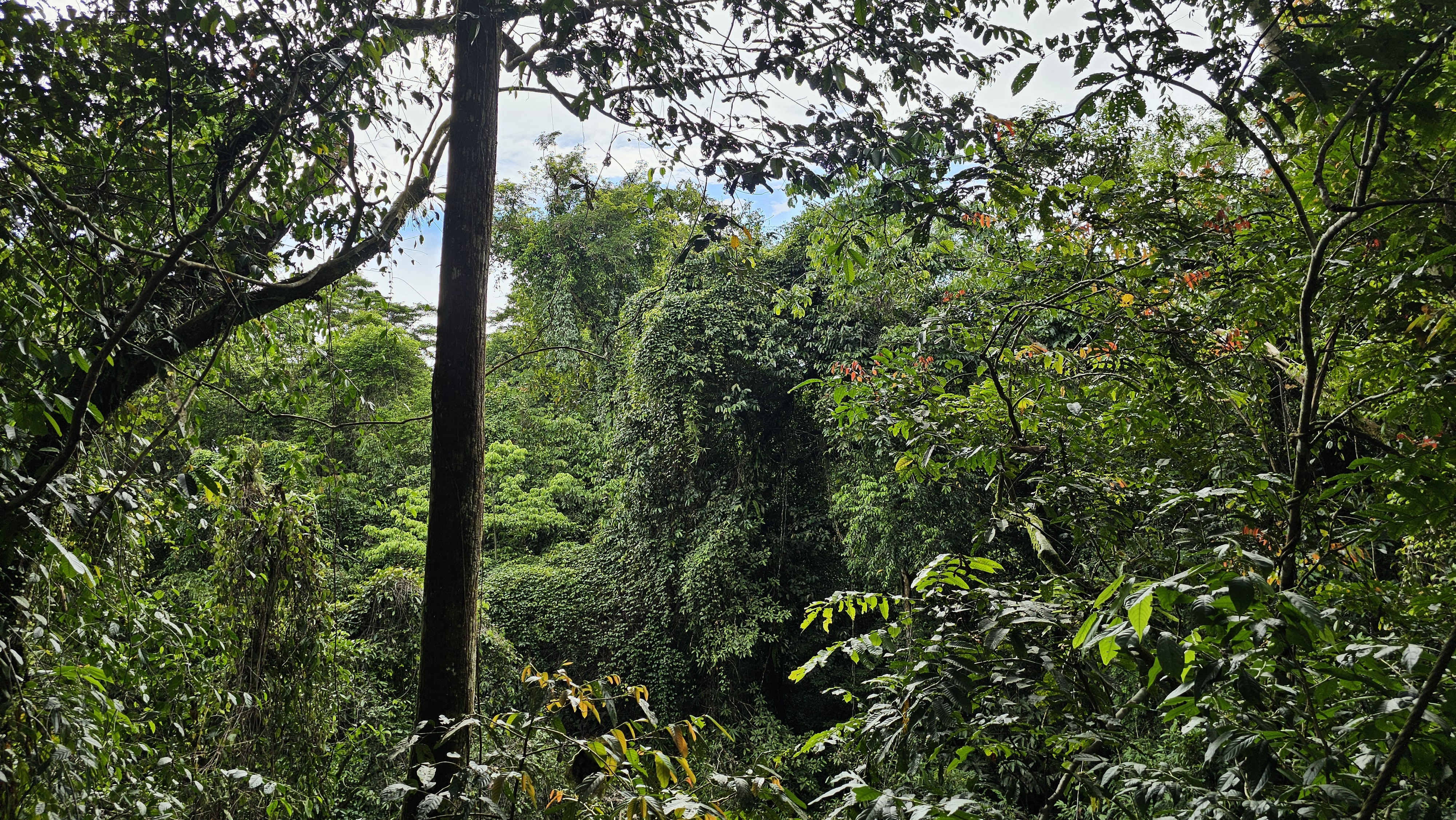
Before returning to the hotel we obtained a key, walked a few hundred meters back into the rainforest and climbed a tall steel tower called ‘Tree Top’ to look at the rainforest from above. The idea is for bird watching although we didn’t see many. And I’m not sure why it is kept locked up.
I spent the rest of the afternoon catching up with draft blog posts, double checking arrangements for the next stage of this trip and reading my book.
Night tour
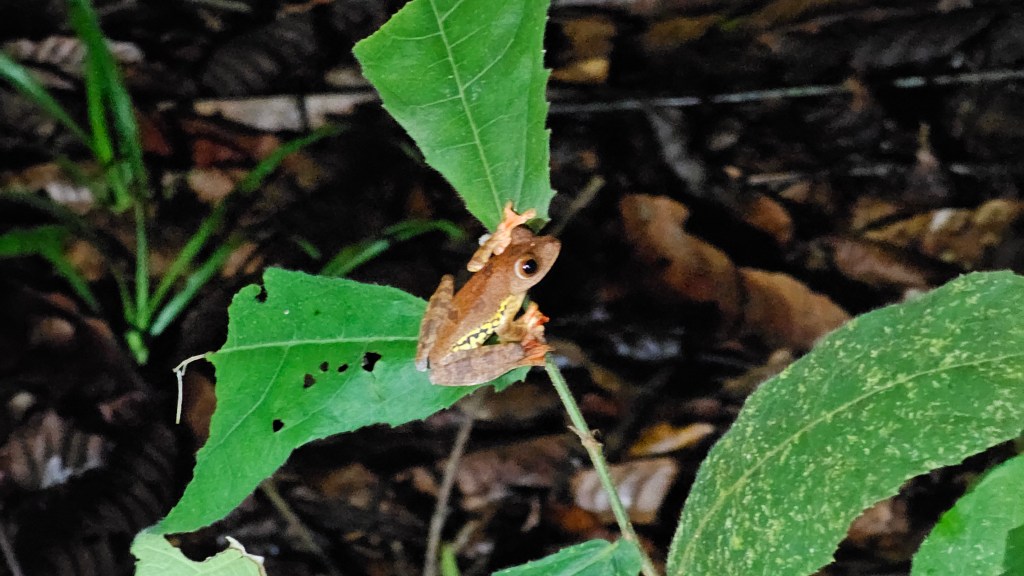
Later that evening we returned to the National Park entrance in time for our 7 pm night tour. We had Shuki as our guide again and met a new small group of people. Armed with torches, we spent 2 hours walking slowly round the rainforest in the dark with Shuki using his expertise both to find night creatures, identify them and provide us with some interesting information.
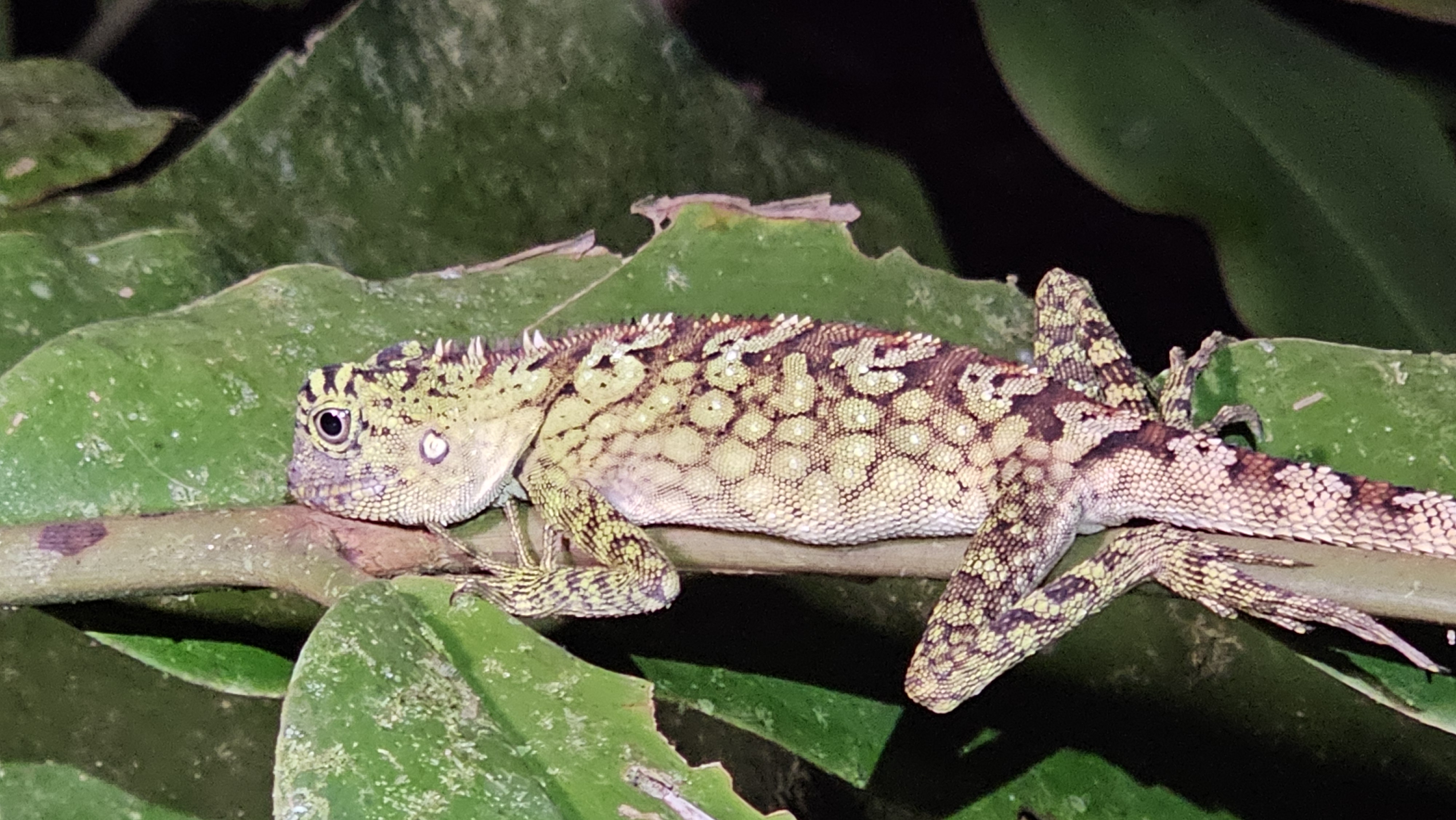
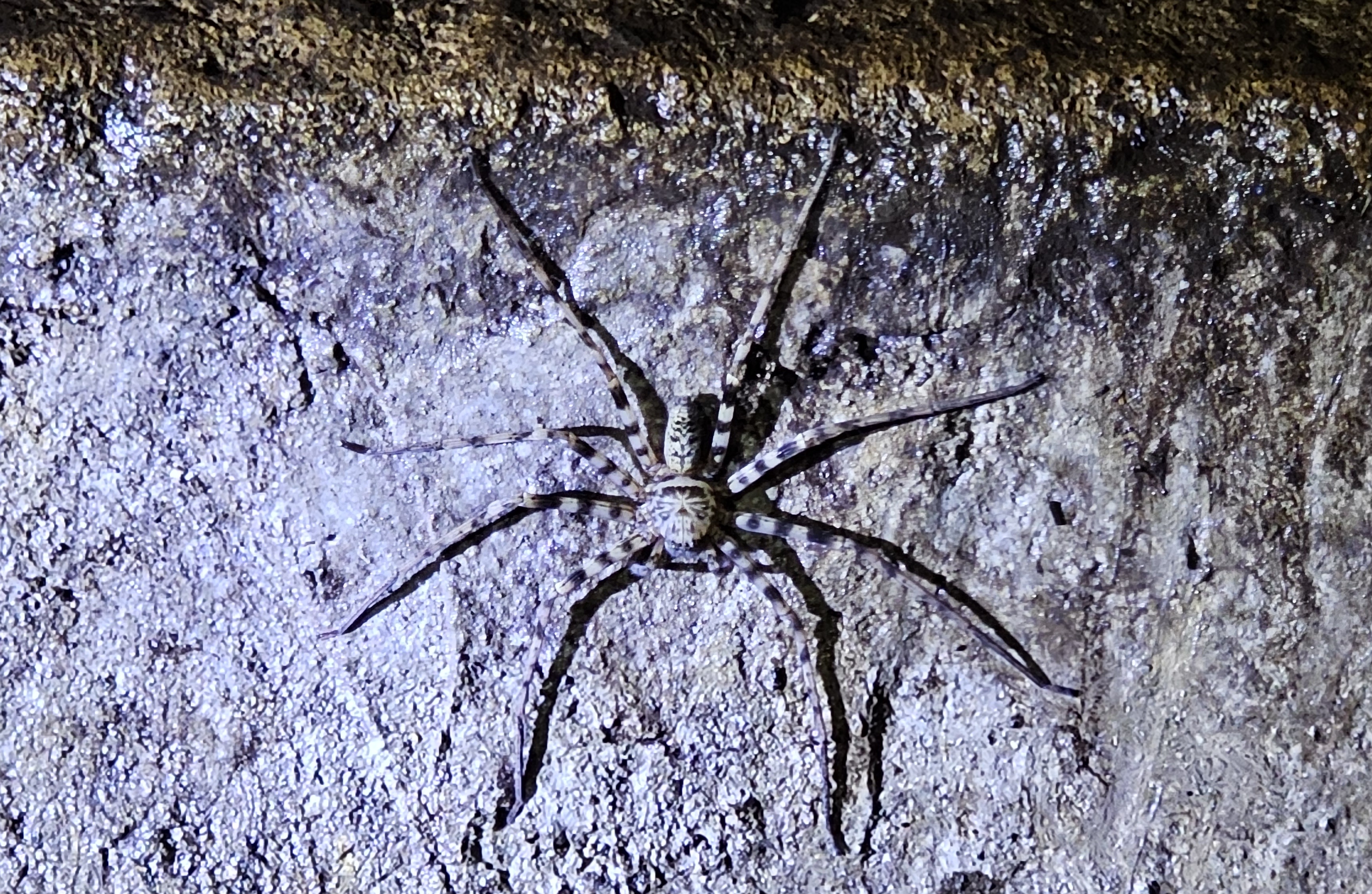
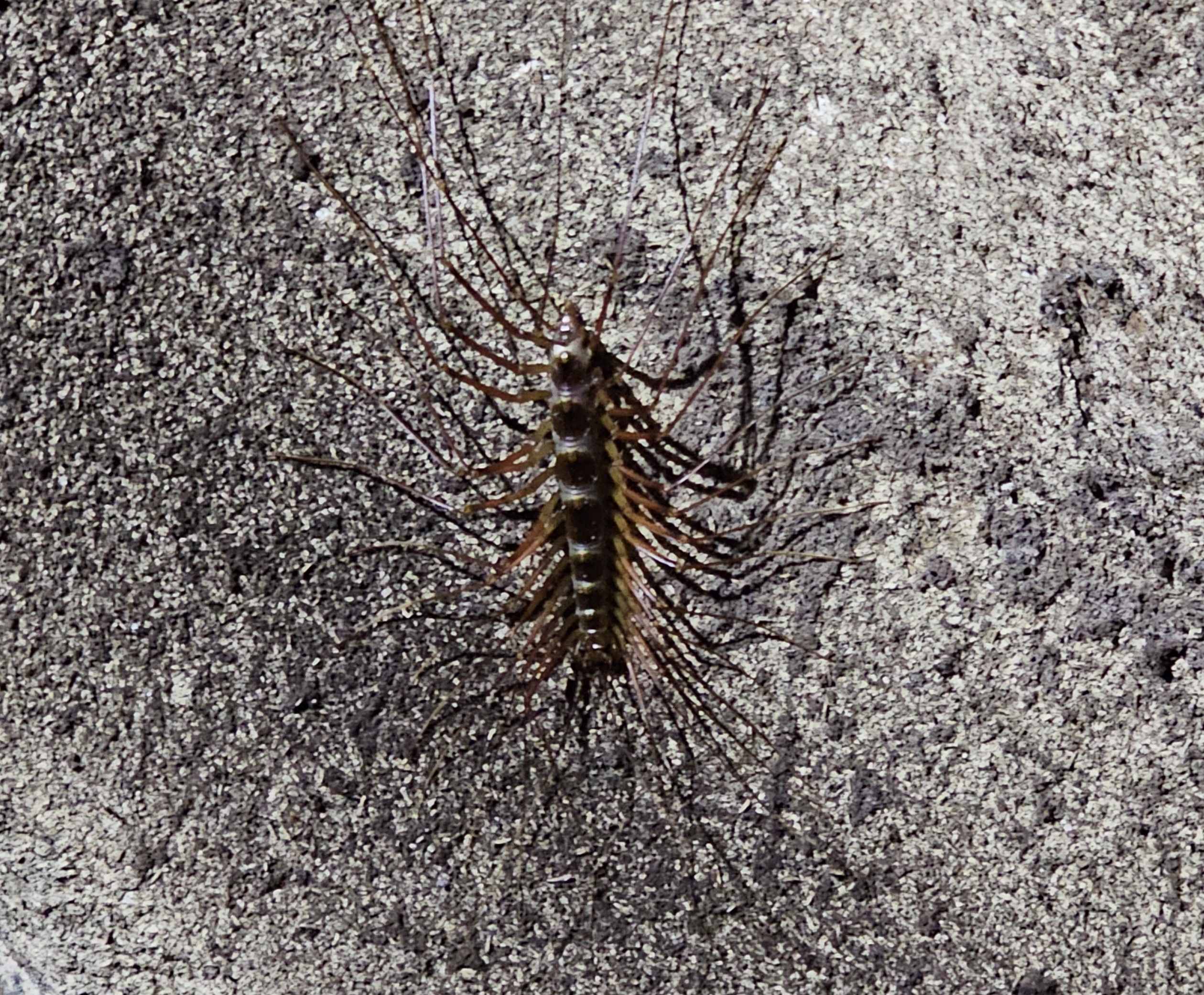
This was excellent and we were fortunate to see snakes, spiders, frogs, lizards and insects.
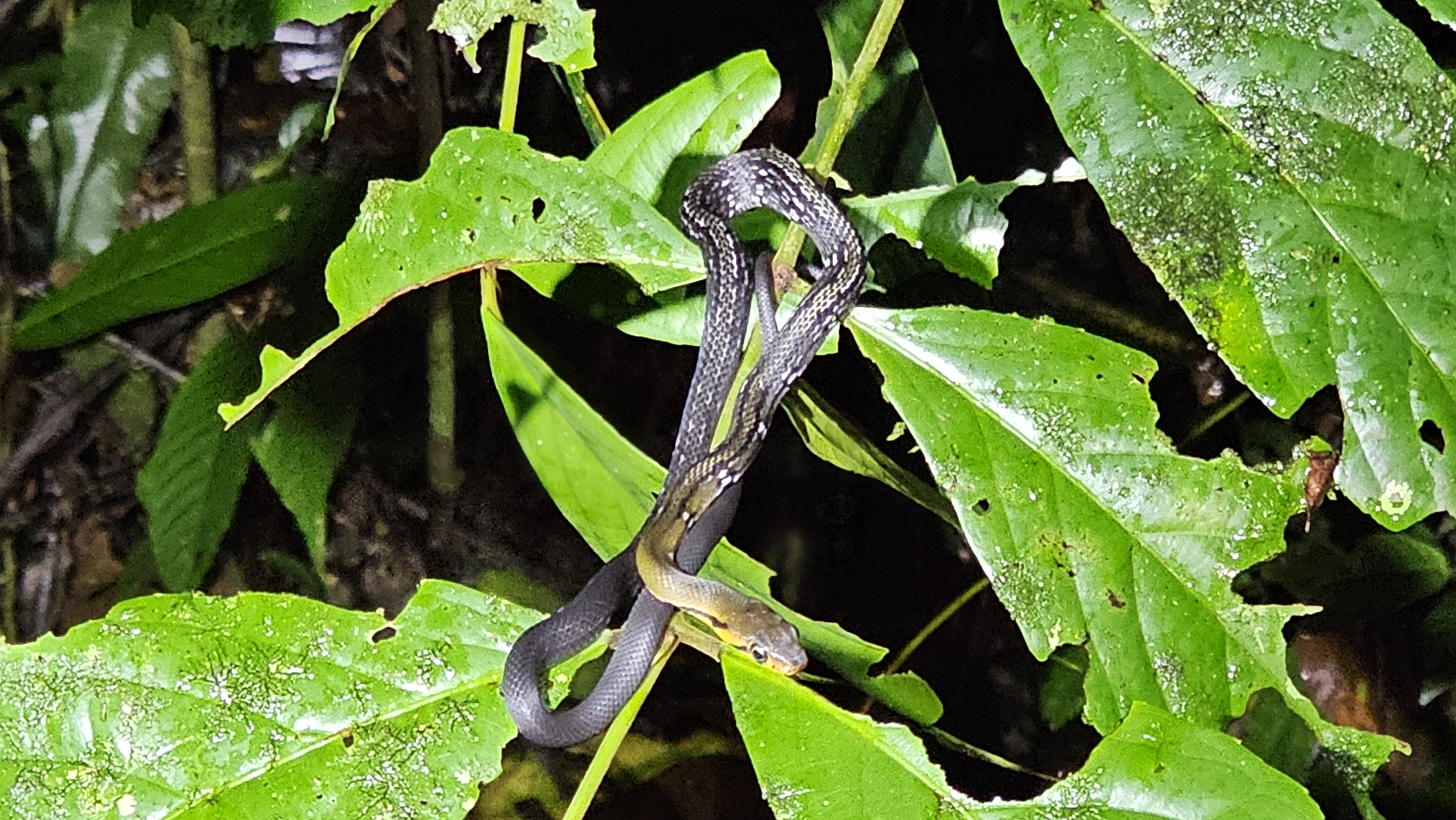
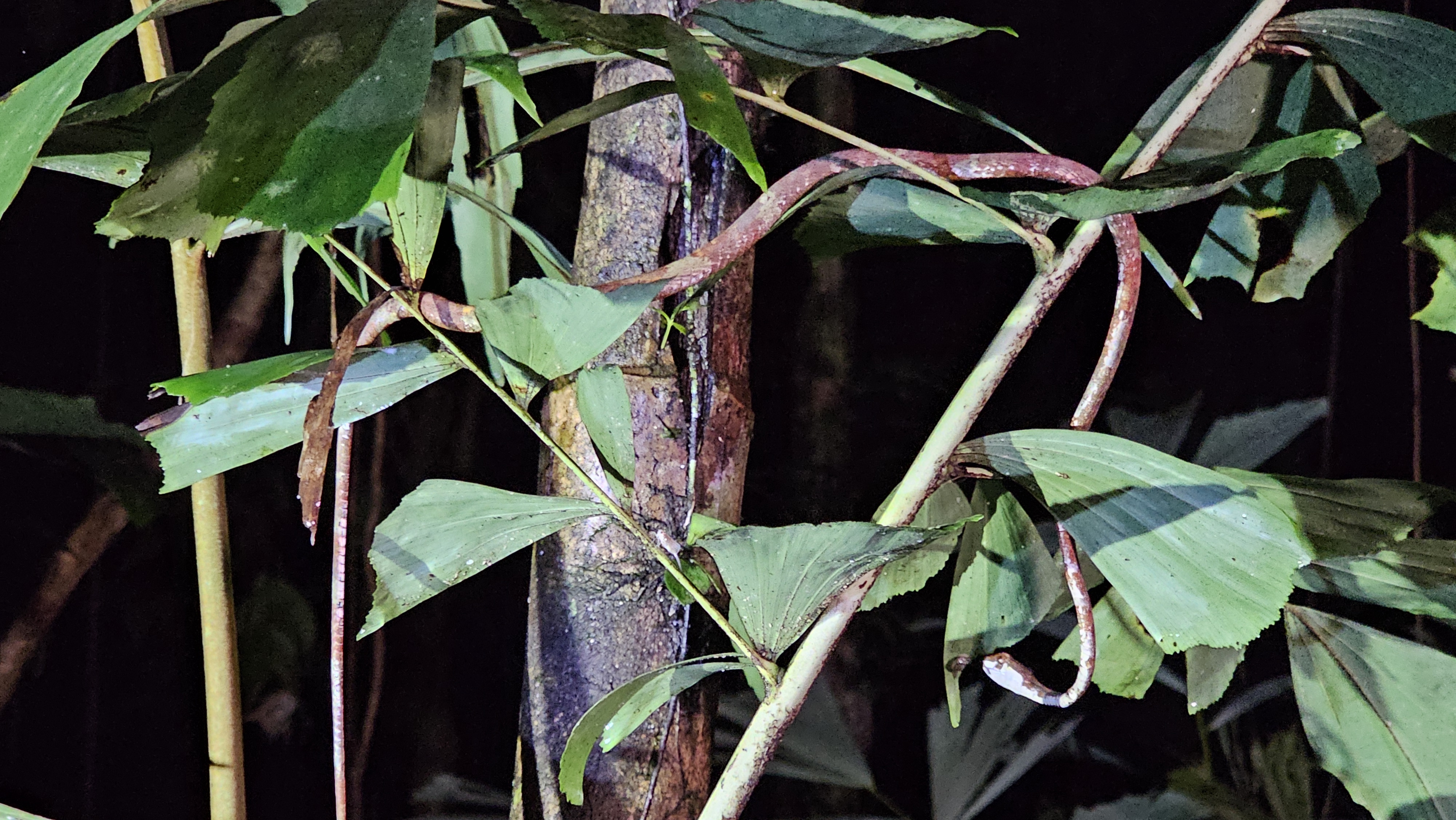
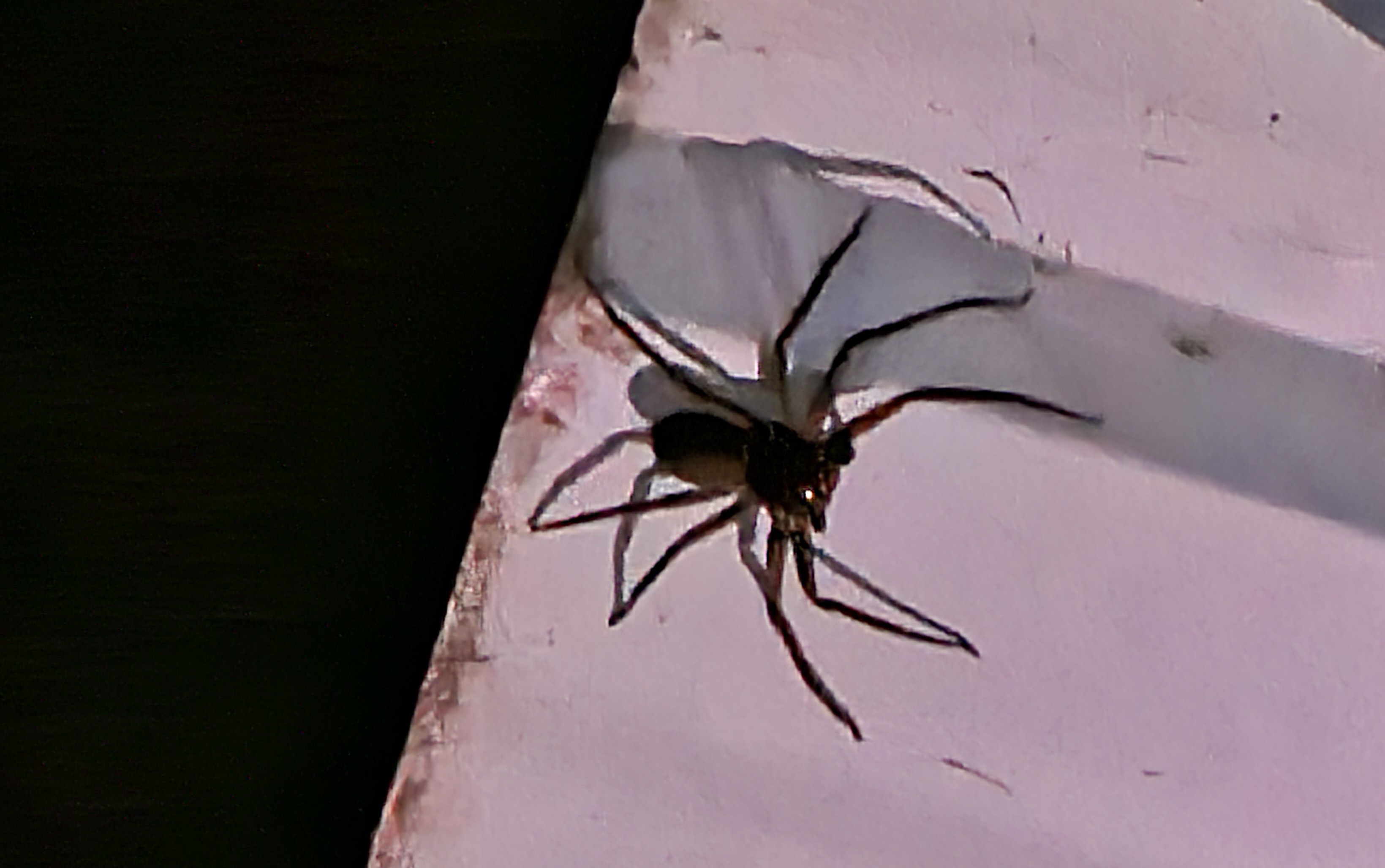
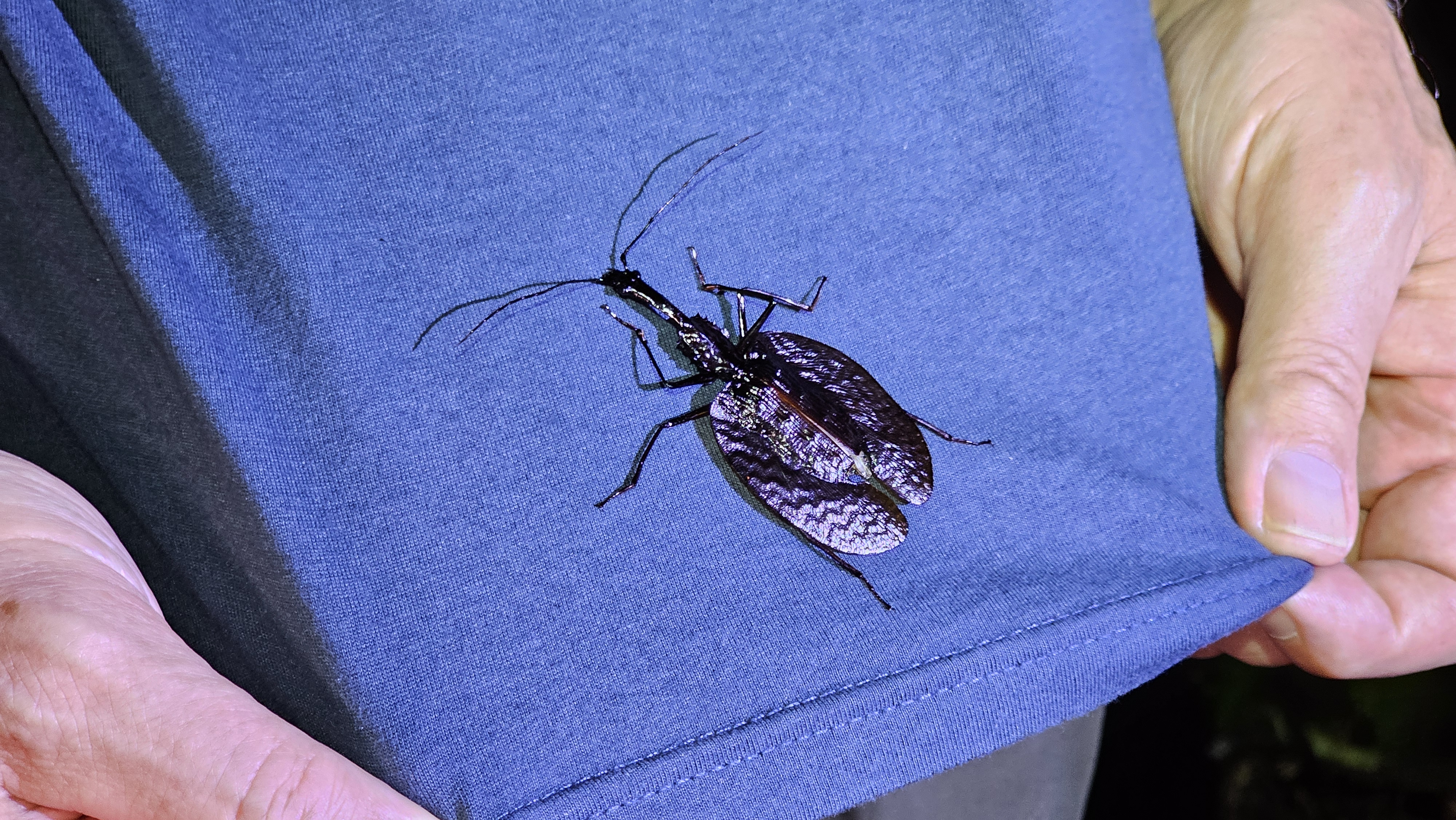
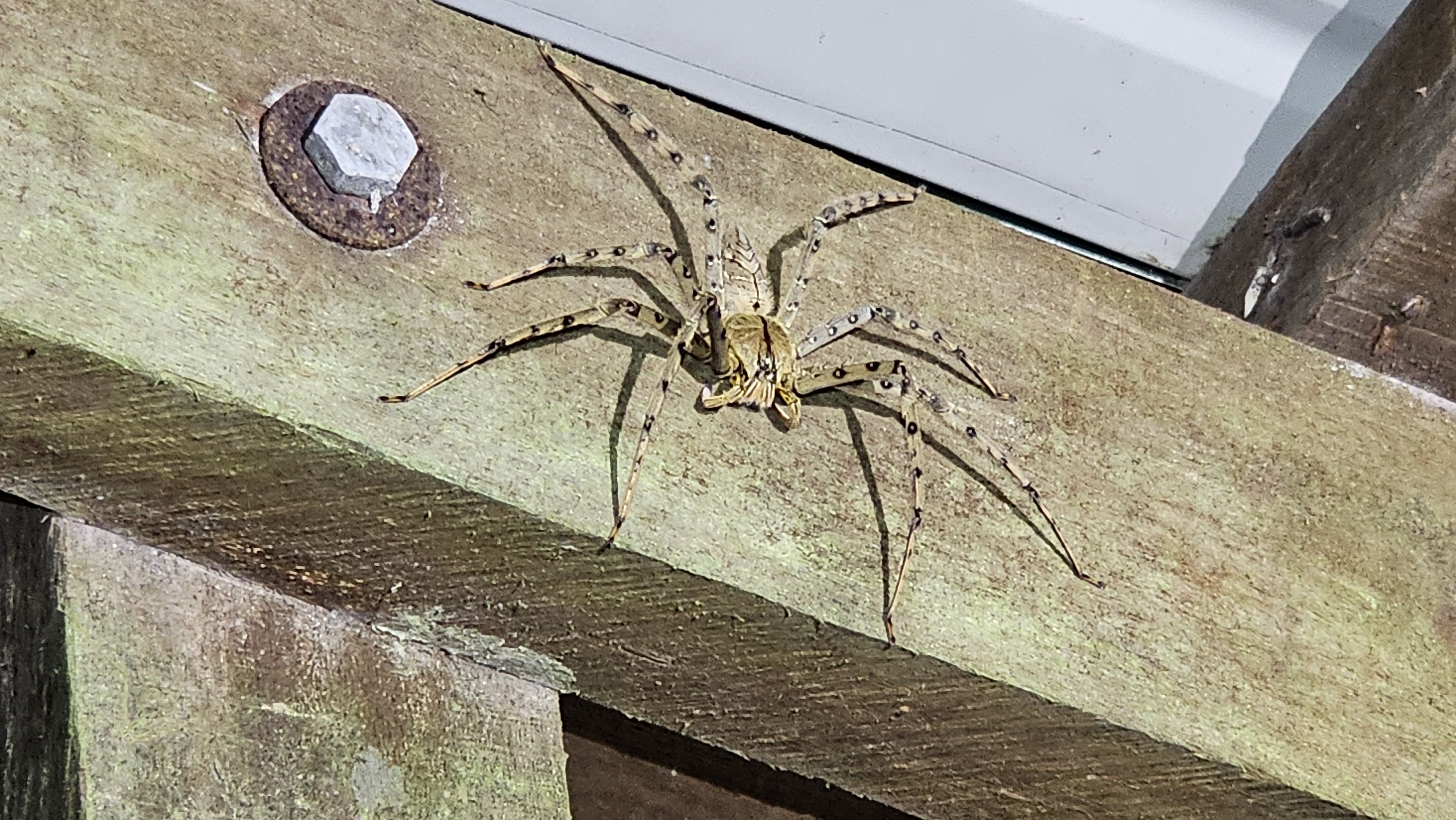
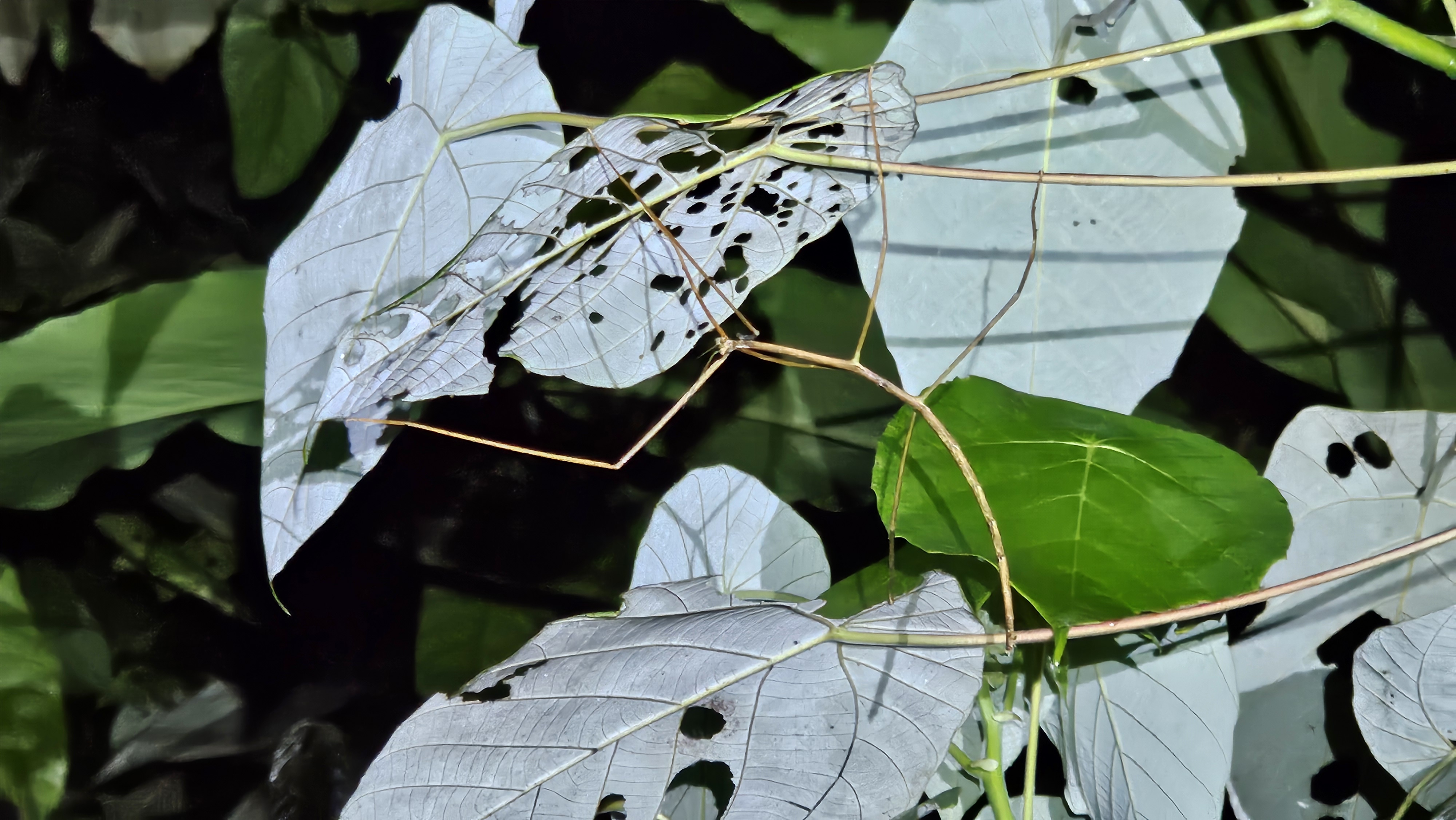
This was the third of the 3 Mulu tours and we both came away buzzing with excitement especially at having seen a couple of snakes!
Accommodation
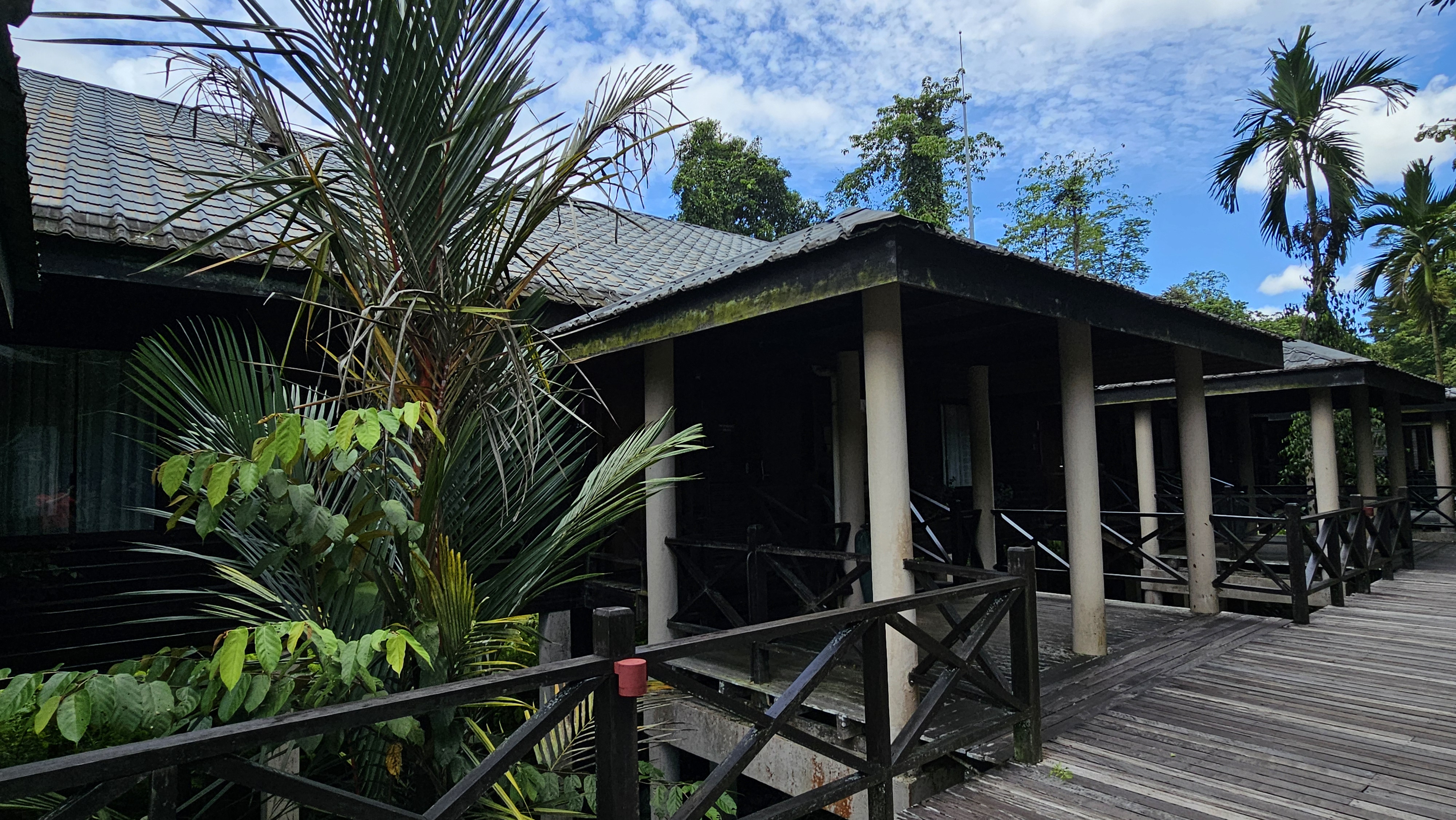
We stayed at the Mulu Marriott which has been designed in a wooden lodge style and all of it sits on stilts over the mangroves and swampy water below. There are boardwalks connecting all of the wooden buildings within the complex.
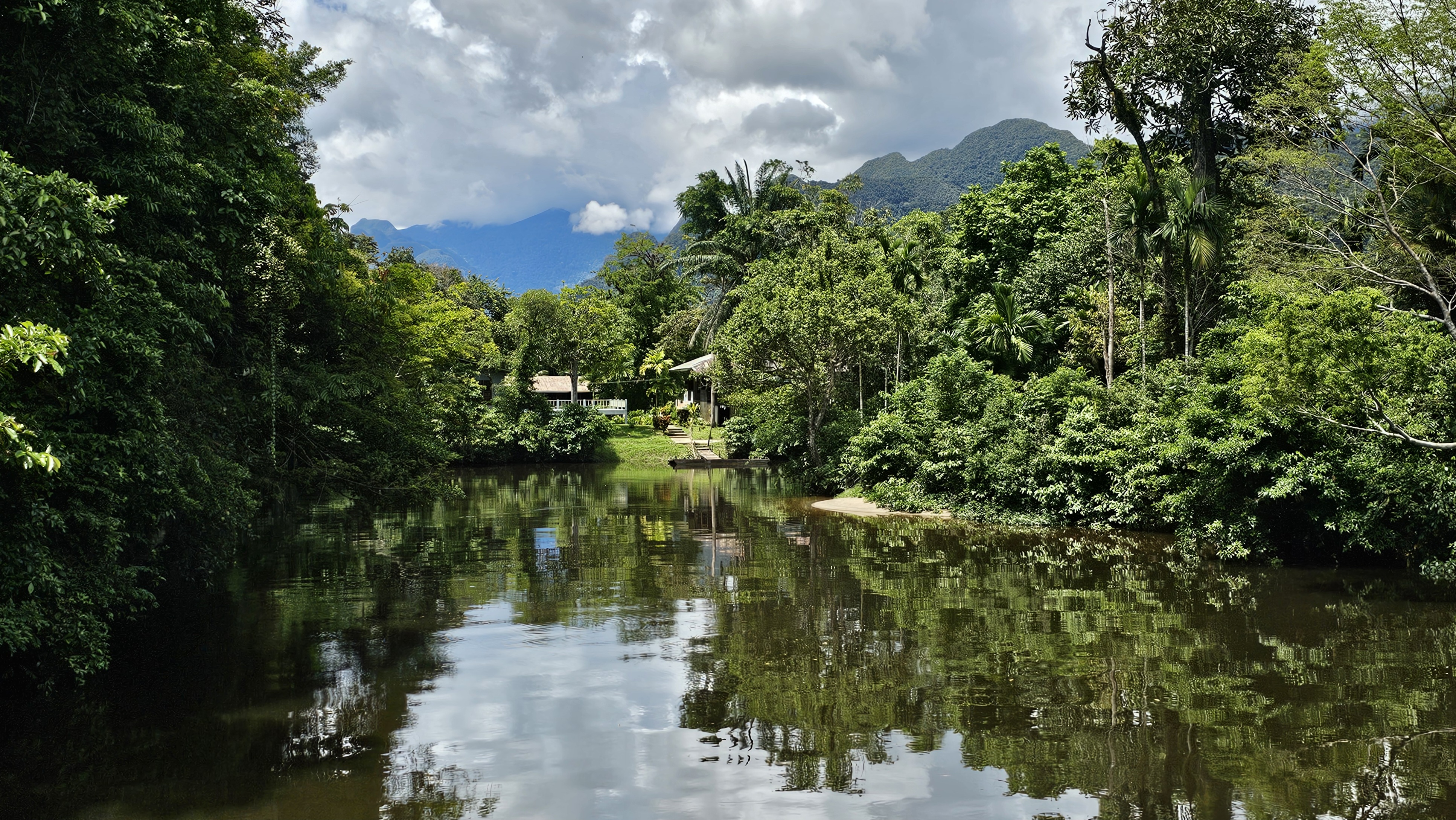
We had booked a dinner, bed and breakfast basis and on the first night it was all buffet. On the second night we had an amazing a la carte meal with a fabulous menu choice.
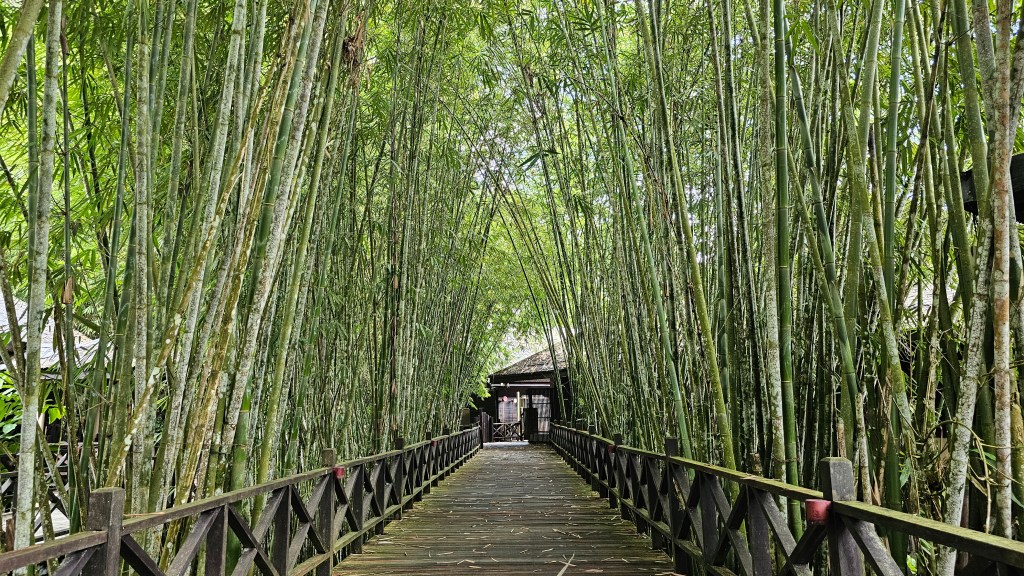
Overall we were really pleased with our stay at the Mulu Marriott and loved every minute of it, from our lovely modern room, to the efficiency of the staff to the wonderful food. The mini bus drivers were great too and we hardly ever had to wait to be whisked off to the national park entrance at any time during the day or evening.
Getting to Mulu
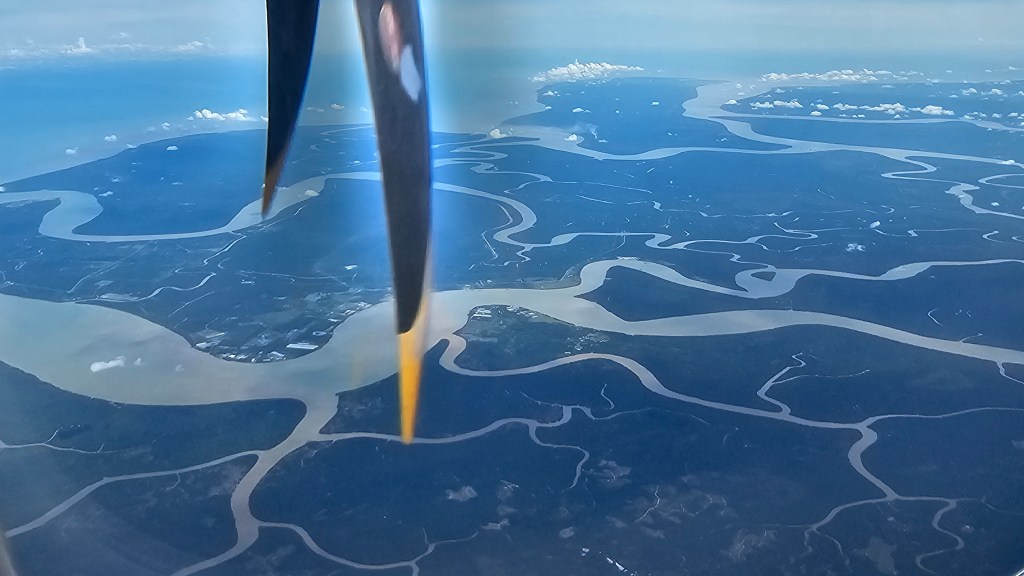
While Mulu is remote it does have its own tiny airport with just a handful of flights each day.
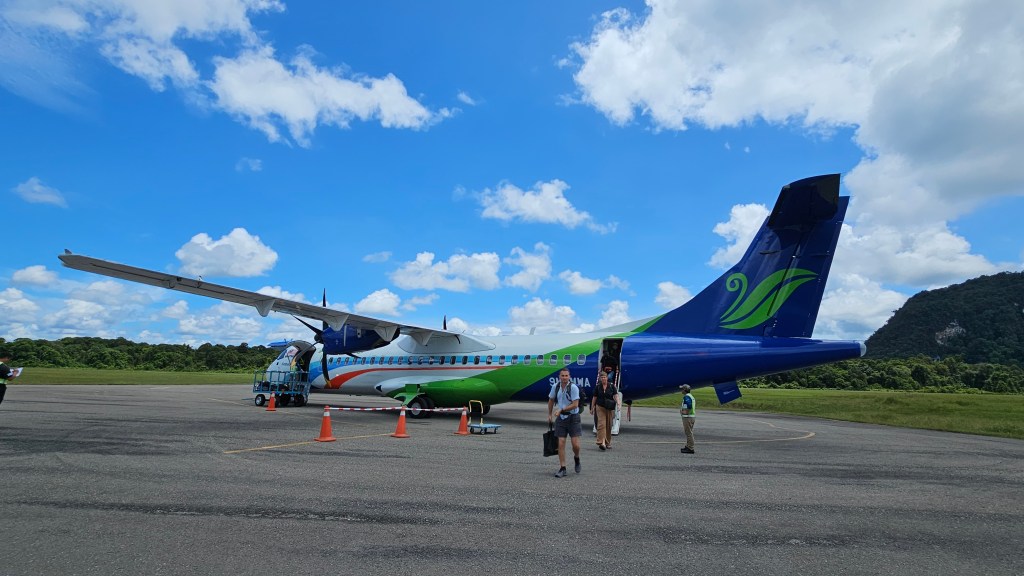
Our MASwings flight from Kuching took about 1 hour 20 minutes in a small 64 seater plane. Booking was easy and was all done online a few months in advance. All was going well until we had checked out from the Marriott to leave for the airport…
Flight cancellation
There is more risk when booking a multi country/multi destination trip of this nature independently with several elements to connect together and get right. There is more risk and more opportunities for plans to go awry.
Since I first started planning and booking this Qatar/SIngapore/Borneo trip every one of our 7 flights has been changed, including the long haul flights with Qatar on the way and with British Airways on the way back.
Any airline can cancel a flight at the last minute which is annoying but it happens. For example, a couple of years ago our EasyJet flight back from Krakow was cancelled and that reduced our long weekend of 3 nights in Krakow to a short weekend of 2 nights.
For this reason I try to build in some contingency.
On this occasion after a fabulous 2 nights in Mulu we were just about to leave for the 10 minute drive to the airport when our flight from remote Mulu to Kota Kinabalu was cancelled.
7 of us from the Mulu Marriott were booked onto this flight. Quickly and efficiently the airline proceeded to book us straight onto tomorrows flight and gave us a hotel room, dinner and breakfast voucher back in the Marriott.
The Marriott mini bus was waiting at the airport and took us straight back to the hotel.
The service from MASwings far exceeded the abysmal non-existent help we didn’t receive when this happened to us in Santorini back in 2016 when our BA flight was cancelled just as we were about to leave for the airport…
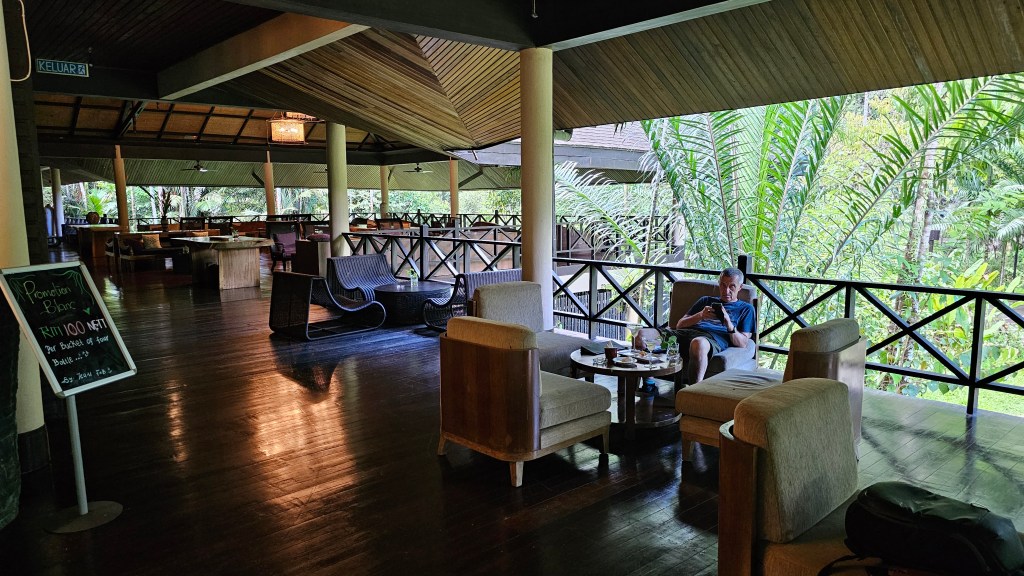
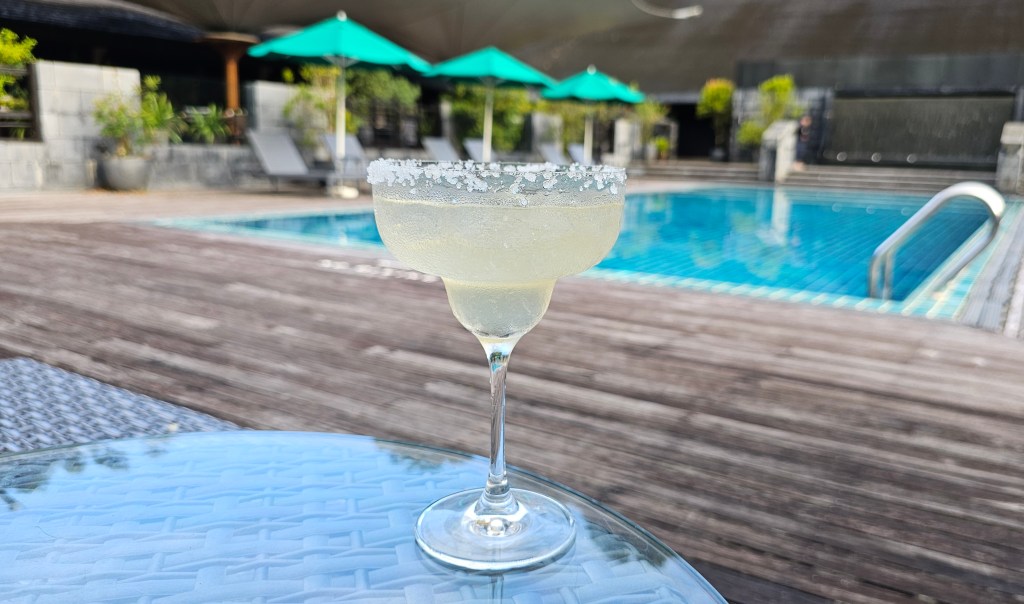
While disappointing as we had booked a bit of a treat for our last 3 nights in Borneo it wasn’t too much of a hardship and we spent the rest of the afternoon relaxing in the tropical open air bar drinking margaritas.
Summary
What an adventure and a privilege to get a glimpse of the incredible wildlife of the Borneo rainforest. While stopping in Mulu did require extra planning, extra travel days and extra risk it was well worth the effort.
With just 2 weeks of annual leave it was necessary to find the balance between non-stop full on travel combined with enough time to appreciate and enjoy each destination. Ideally a three week overall trip would have been good!
Never mind… next up is Kota Kinabalu.
 frombluetogreen.com