
Post written by Laura
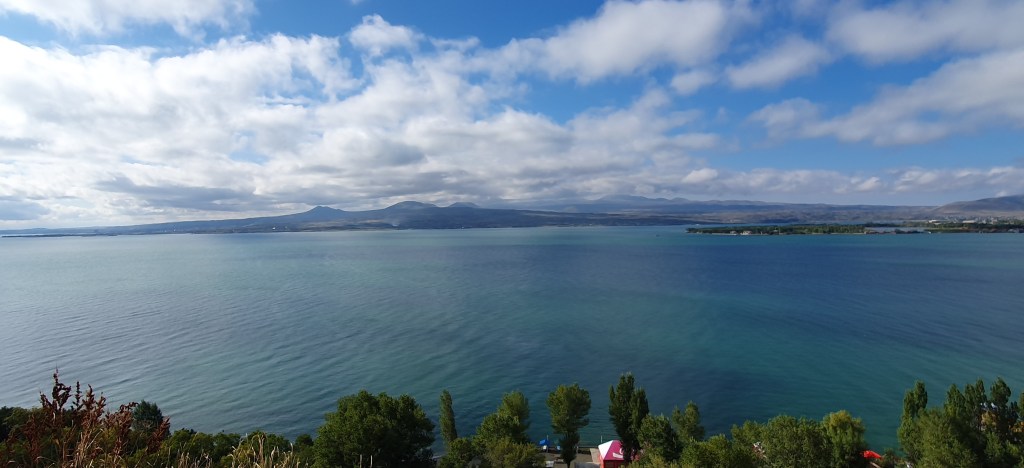
Having left Yerevan, for the next part of my G Adventures trip our group was driven north through Armenia towards the scenic and sapphire blue waters of Lake Sevan.
Lake Sevan
Lake Sevan is the largest fresh water lake in Armenia and the Caucasus region. At an altitude of 1900 m it is also one of the largest high altitude lakes of Europe/Asia. Lake Sevan provides significant enhancement to the economy of Armenia in terms of its fish, water irrigation, low cost electricity and tourism. In fact, it is known as ‘the Jewel of Armenia’.

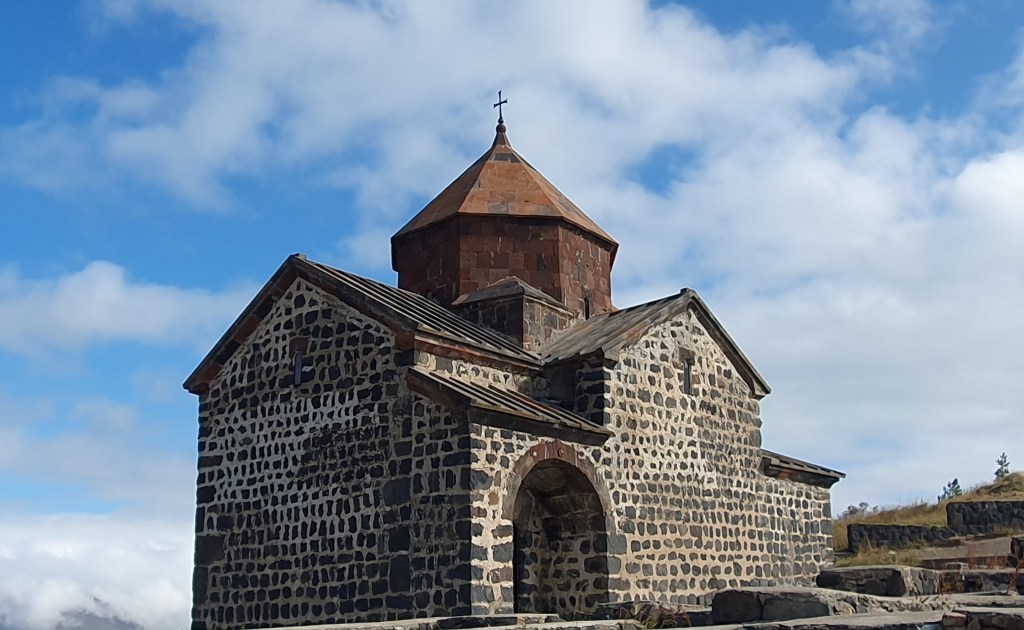
The 9th century Sevanavank Monastery complex can be found on a peninsula on the northwest shore of Lake Sevan. Sevan peninsula was previously Sevan island however artificial draining of the lake caused water levels to fall by about 20 meters turning it into a peninsula.

Monks first arrived in the monastery complex at the end of the 8th century and were able to catch fish from the abundant supplies in the lake. ‘Sevanavank’ means ‘the Black Monastery’ as the original buildings were made from black rocks.


Once our guide Sonia had provided some information about the lake and monestaries, we had some free time to explore the peninsula. We then enjoyed a 30 minute boat trip on the lake which gave us a different perspective.


Back on dry land again and onto one of the ‘beaches’. Lake Sevan is popular for water-based activities and you are able to swim in the clear waters if you wish to. 3 of my fellow G Adventurers decided to take the plunge and have a dip while the rest of us looked on!

From Lake Sevan we were driven through forests and high peaks to our next stop at Old Dilijan. Here we had 30 minutes to look in the craft shops where workstations were set out to show traditional methods of making handicrafts such as ceramics and wood carvings. Dilijan is in the heart of ‘hikers paradise’ where many trails can be found.

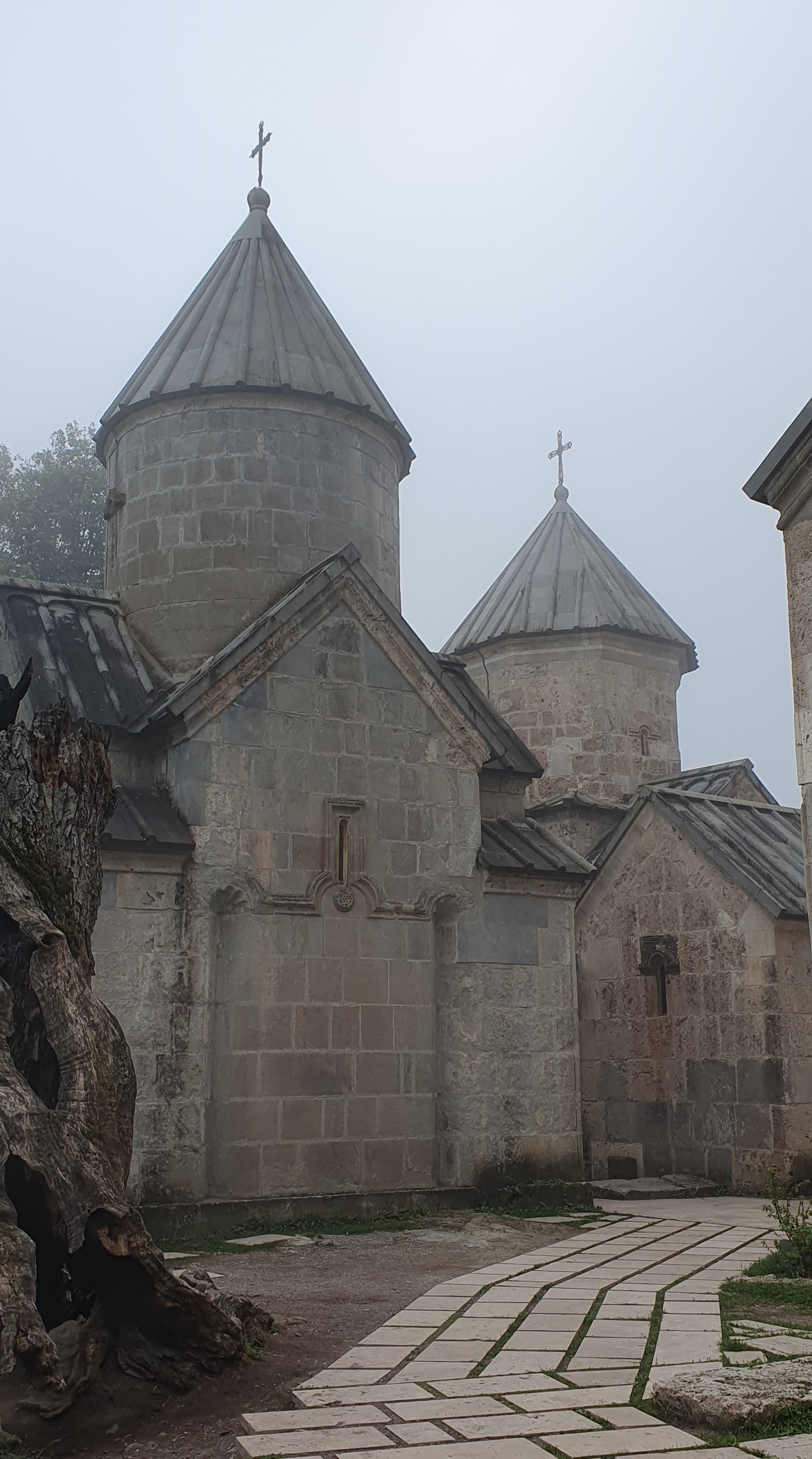
Next and 18 km north of Dilijan, we visited Haghartsin Monastery which was founded in the 10th century. In the swirling mist of the mountains this fairlytale-like monastery had a mystical feel.

Haghartsin Monastery is also known as the ‘Monastery of the Playing Eagle’.

Next it was time for lunch! Lunch took place in a village in the traditional home of a Molokan family. The G Adventures information explained the “Molokans are a minority population of Armenia who derived from settlers exiled from Russia for their religious beliefs”.
We were served warm freshly home made Russian piroshki which are like doughnuts with savoury fillings. We had one of each of potato, cheese and also cabbage filled piroshki.

Following the piroshki’s we were served borscht which is Russian soup, popular in Eastern Europe. This was a tasty vegetable soup with potatoes.

Molokans lead a simple life and don’t eat pork, drink alcohol or smoke however we were served refreshing juice and water with our lunch and we enjoyed traditional tea afterwards.
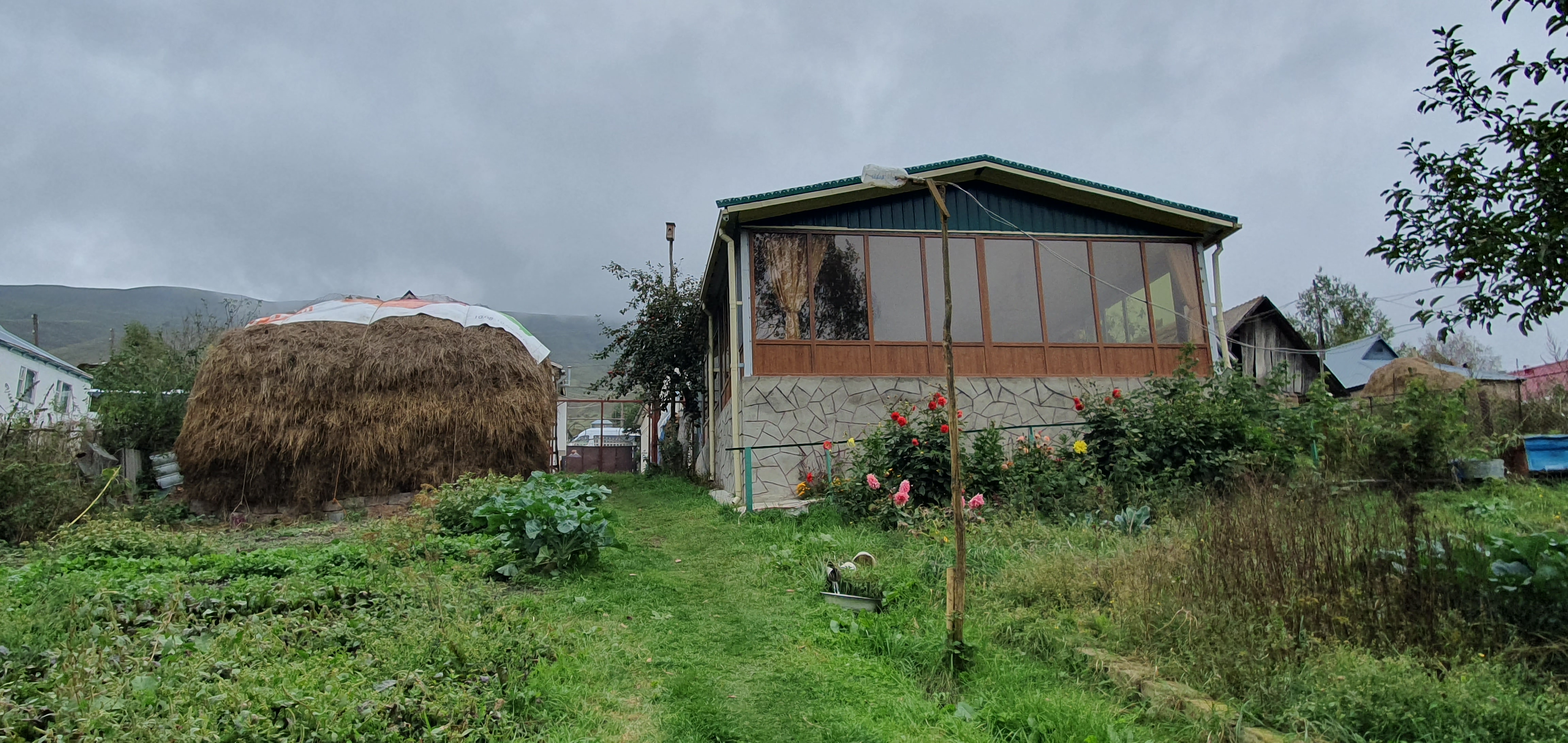
Once we had finished lunch we had some time to have a look in the garden of the village house where many vegetables were being cultivated. With an elevation of around 1850 meters a jacket was necessary! In the winter the temperature in this village plummets to around -20 degrees.
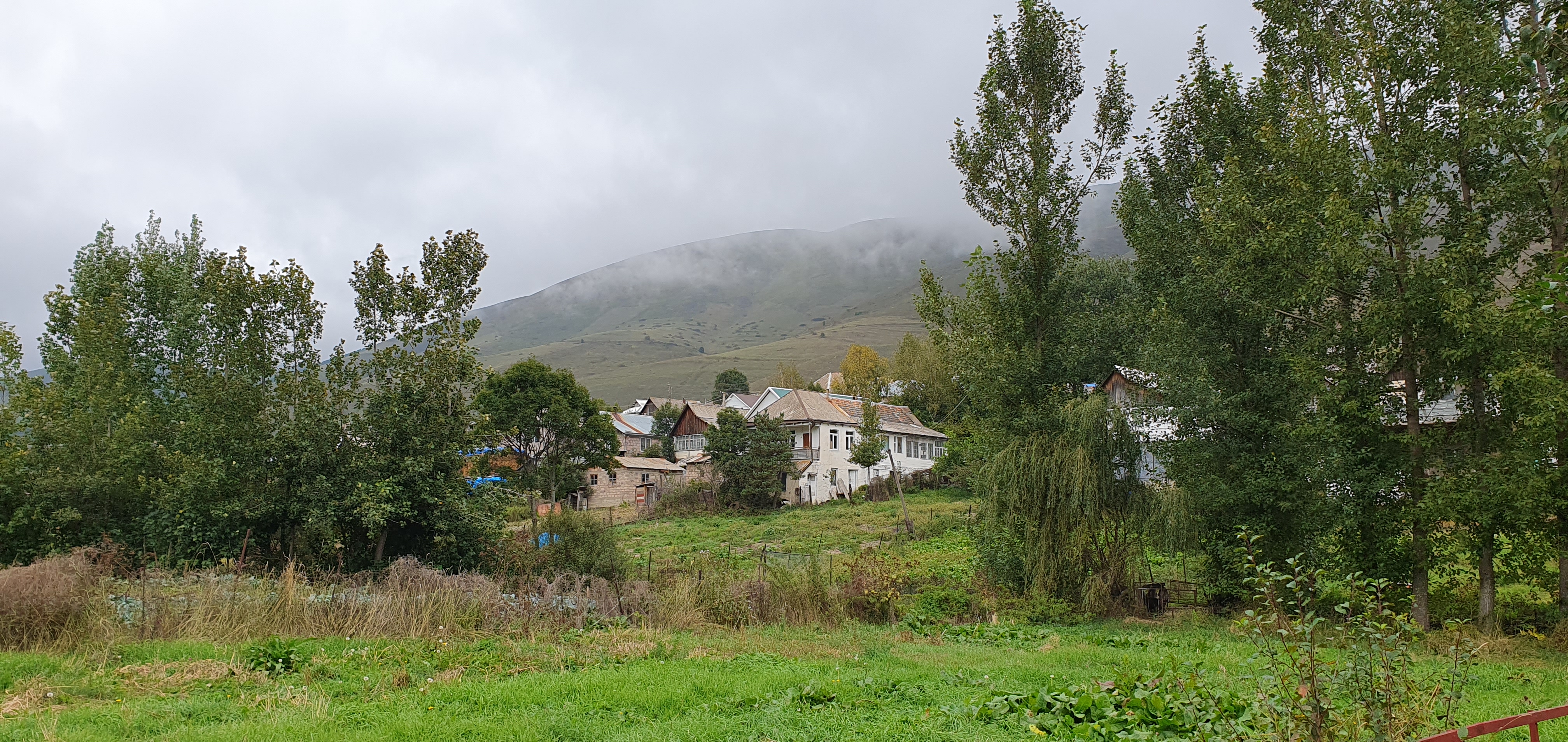
Onwards and upwards! Through the mountains…


We spent the night in the Kefilyan Family Hotel in Haghpat which had splendid views overlooking the Debed river gorge. Even in the misty conditions!

The staff were friendly and helpfully carried our luggage up the stairs into our rooms.
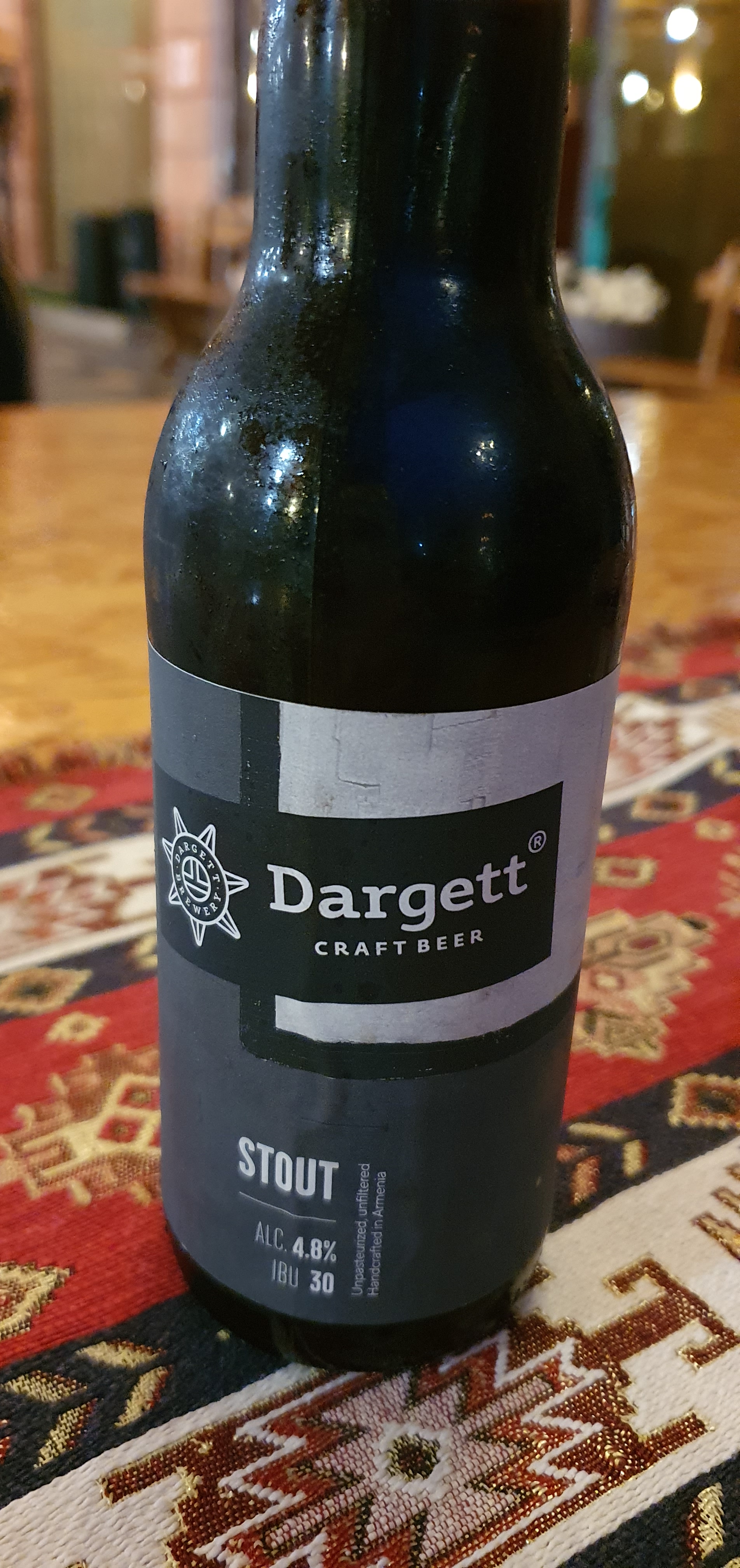


We had more Dargett craft beer and enjoyed fabulous Armenian food in the hotel restaurant. A range of small plates made with aubergines and various other dishes and cheeses and meats. At the end of the meal about half of the group of 14 of us asked for a glass of Ararat brandy. And this 10 year old brandy serving was huge and a lovely way to finish off our final night in Armenia.

Haghpat Monastery
Another day… another monastery… or two…
Having checked out of the hotel we were driven for 200 meters or so to the medieval Haghpat Monastery!

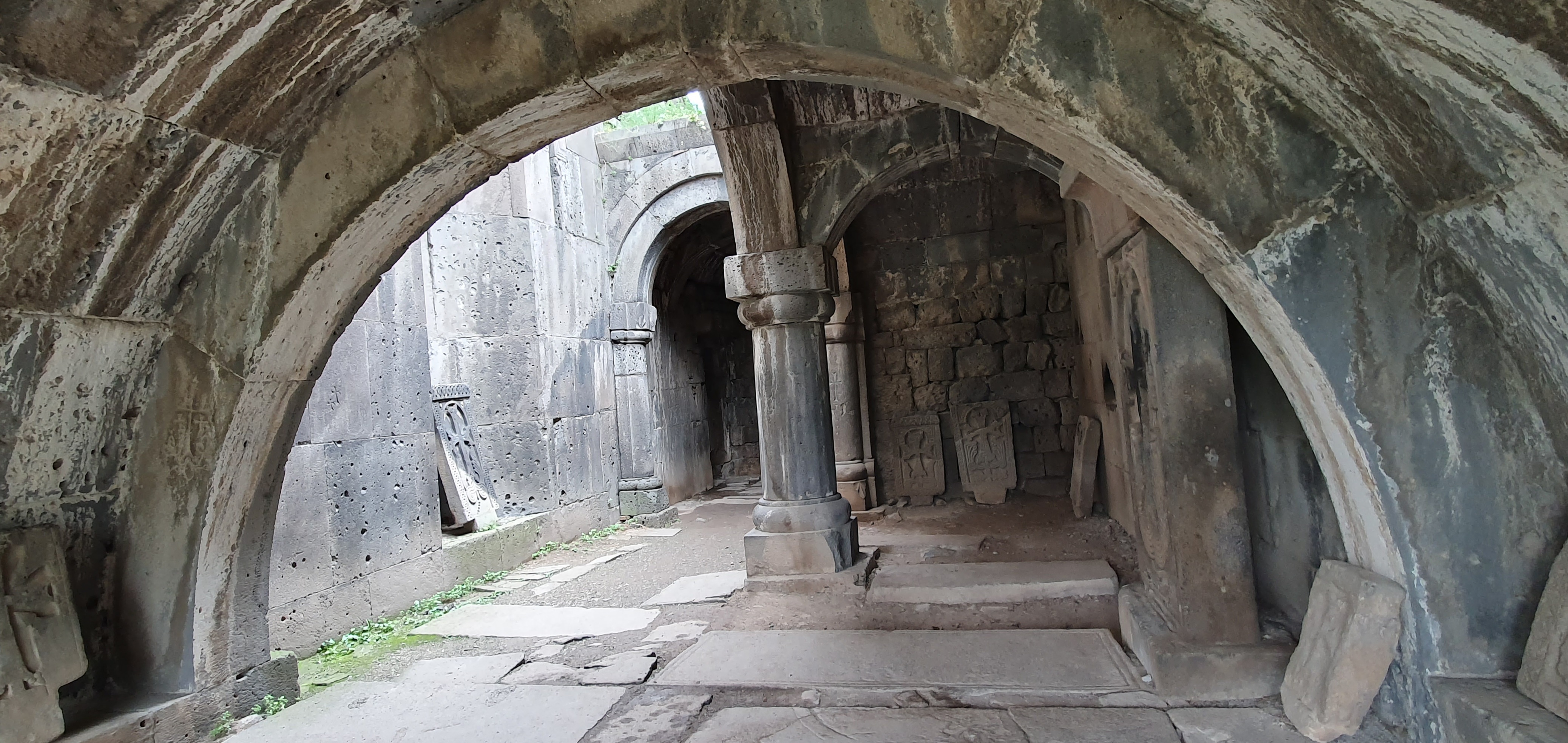
Built between the 10th – 13th centuries, Haghpat Monastery is a world heritage UNESCO site. The monastery was built halfway up a hillside for protection and to remain hidden from view. Apparently there are secret underground passages leading down the gorge.

Haghpat was once a key centre of science and had a large collection of manuscripts.

Manuscripts were originally stored in these holes in the floor.When threatening Mongol armies arrived in the 13th century these manuscripts were taken away and hidden in caves. Later these holes were lined with ceramic pots and used for food storage.


Sanahin Monastery
Sanahin Monastery is located in a village in the Lori Province of Armenia in the far north and close to the border with Georgia. The name ‘Sanahin’ means ‘the older one’
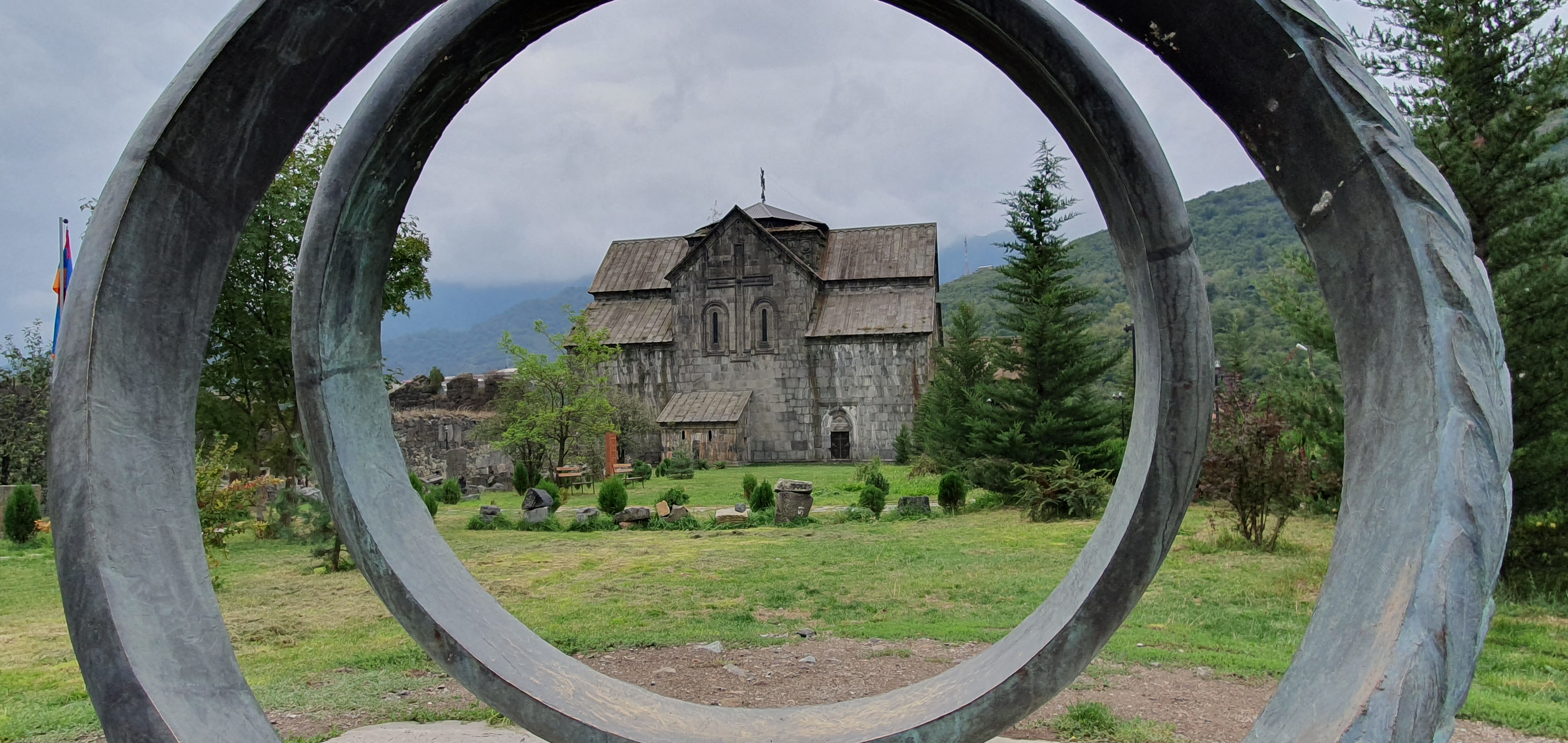
The above rings are a peace symbol between Armenia and Georgia.


This was the end of the Armenia part of the trip. We said goodbye and heartfelt thank you’s to our knowledgeable, enthusiastic, patient and good humoured guide Sonia who led us through the border crossing into Georgia…
 frombluetogreen.com
What a beautiful part of the world,love the look of old Dilijan.
LikeLike
Thank you, Armenia was a lovely country and well worth visiting 🙂
LikeLike